
Navigation
Author: Dao Hua Marriage and Family Law FirmDate: 2026-07-13Reads:times
Expert in marriage and family disputes (mediation/trial)
Ten years of focus on major property marriage and family legal services
Guangdong Daohua Law Firm, Daohua Family Law Firm, Tang Yunhong Lawyer, Top Ten Divorce Lawyers in Shenzhen, Top Ten Inheritance Lawyers, Professional divorce and inheritance litigation lawyers in the Guangdong-Hong Kong-Macau Greater Bay Area, renowned major property family lawyers, a large number of successful cases, especially good at handling: difficult property division/court litigation, listed company equity/fund/share division, real estate, Shenzhen small property rights house/farmer's house, land, factory, virtual currency assets, Hong Kong divorce property division, marital/divorce property agreement, tax planning, debt isolation, divorce property transfer, overseas nationality inheritance, will notarization, will/inheritance dispute litigation, will drafting and validity determination, old city reconstruction and demolition, civil and criminal cross-border, cross-border collaboration, etc. Service areas: Guangdong, Shenzhen, Futian, Hong Kong, Macau, overseas, Guangzhou, Zhongshan, Zhuhai, Foshan, Huizhou, Dongguan

I. Case Review
Cheng Moumou is the son of Cheng Mou, born on October 10, 2004. Cheng Moumou was diagnosed with epilepsy 10 months after birth and was later diagnosed with epilepsy, motor developmental delay, and intellectual developmental disorder by medical institutions. In April 2011, he was rated as a second-grade intellectual disability by the China Disabled Persons' Federation, unable to take care of himself in daily life, requiring long-term medication, special care, and continuous professional rehabilitation training.
On October 13, 2006, Cheng Moumou's parents registered for divorce at the Futian District Civil Affairs Bureau of Shenzhen, and both parties signed the "Divorce Agreement" stipulating that Cheng Moumou would be directly cared for by his mother, and Cheng Mou would pay a one-time alimony of 220,000 yuan in the form of offsetting the housing purchase cost. If the child incurs major medical expenses or significant educational expenses, the two parties will negotiate and bear them together.
As Cheng Moumou grew older, his condition did not improve, and he still needed continuous one-on-one rehabilitation training and round-the-clock care, with significant increases in expenses. The originally agreed-upon alimony was far from enough to meet the actual living, medical, and care needs. Cheng Moumou then filed a lawsuit with the Futian District People's Court of Shenzhen, claiming that due to his severe disability, he requested the court to order Cheng Mou to pay 10,000 yuan per month in alimony starting from the date of the lawsuit until he can live independently, and to make up the difference in alimony from October 13, 2006, to November 15, 2015.
After the first-instance court made the judgment, both Cheng Moumou and Cheng Mou were dissatisfied and appealed. Cheng Moumou appealed for the court to change the judgment to order Cheng Mou to pay 5,000 yuan per month in alimony until he can live independently, and to order Cheng Mou to make up the difference in alimony from October 13, 2006, to November 15, 2015; Cheng Mou argued that the standard of alimony determined by the first-instance court was too high, and requested the court to change the judgment to pay 1,000 yuan per month in alimony until Cheng Moumou turns 18 years old.
【Case number: First-instance (2015) Shenfu People's Court No. 8423; Second-instance (2016) Yue 03 Civ. App. 11975】
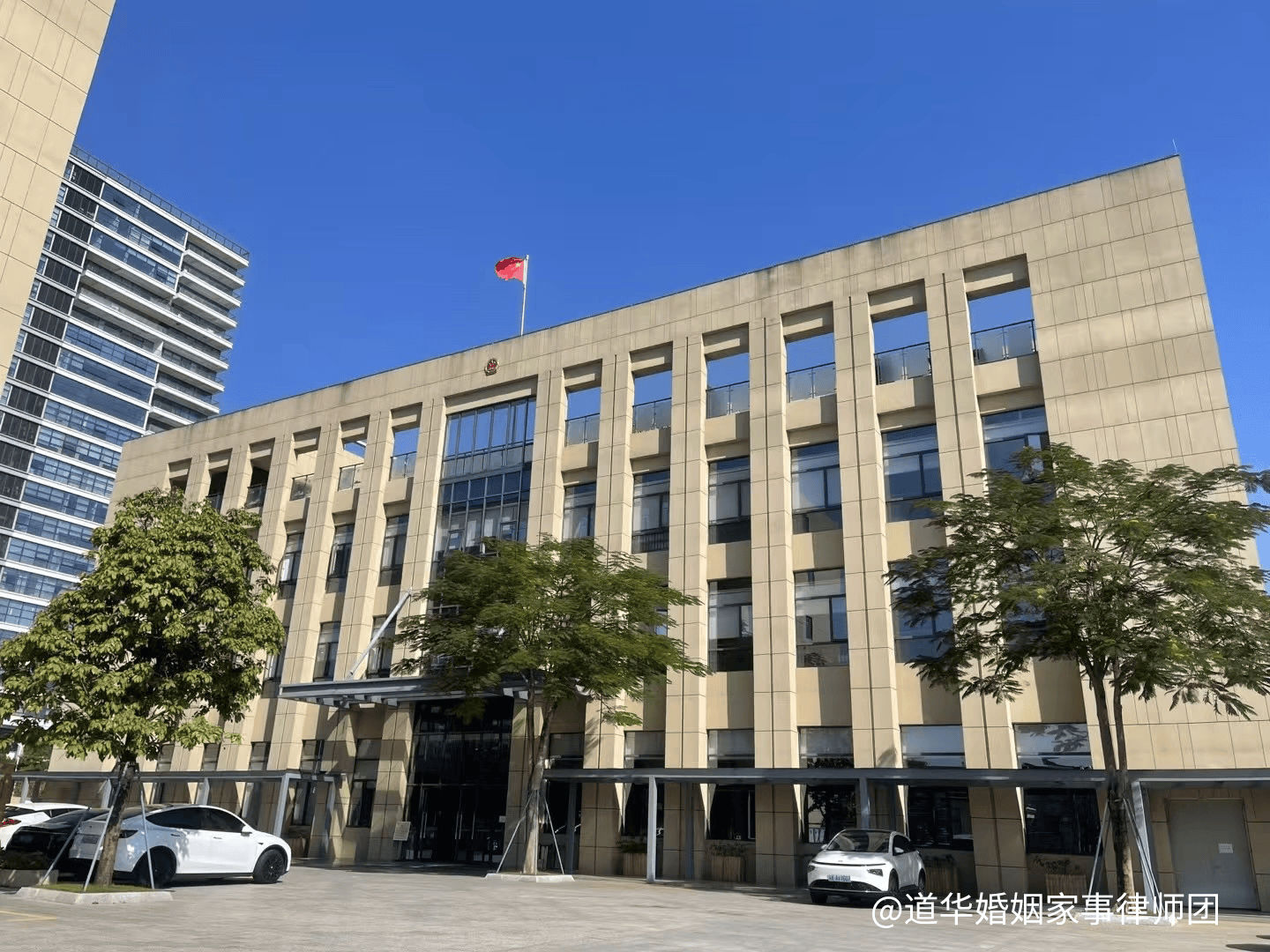
II. Case Outcome
The first-instance court, considering Cheng Moumou's illness, rehabilitation care needs, the economic capabilities of both parents, and the local living standards, decided that Cheng Mou should pay 5,000 yuan per month in alimony until Cheng Moumou turns 18 years old, and did not support Cheng Moumou's claims for the past alimony difference and payment until he can live independently.
The second-instance court, after hearing the case, believed that the original judgment was clear in its findings of fact and correct in its application of the law. Cheng Moumou's disability indeed requires special care, and the standard and payment period of alimony determined by the original court were appropriate, and the reasons for both parties' appeals were not valid. The second-instance court then made the final judgment: rejecting the appeal and upholding the original judgment.
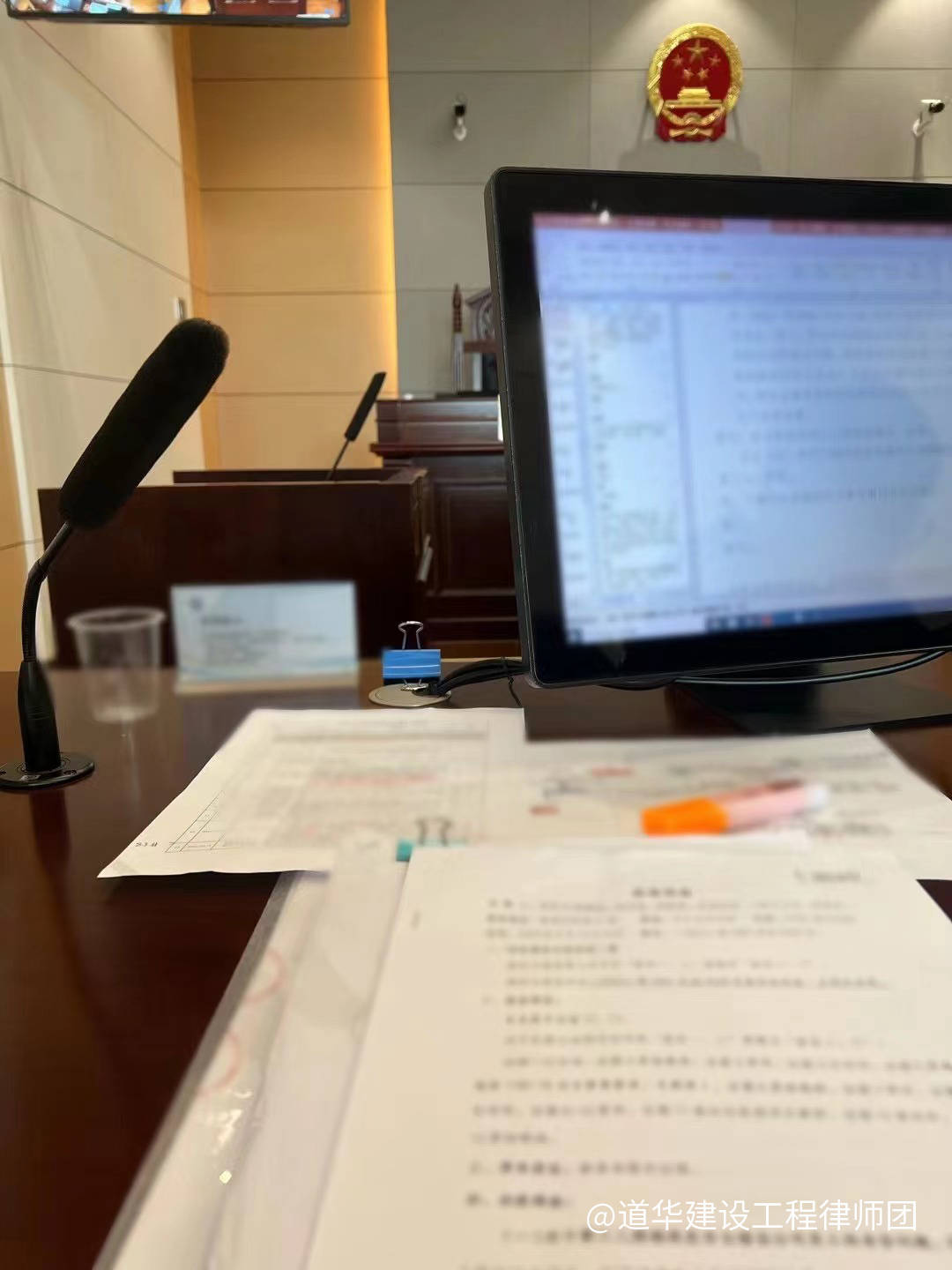
III. Thoughts on the Case
(I) Daohua Lawyers believe
This case is a typical special disease child alimony dispute case in Shenzhen, with clear judgment logic and strict legal application, which has important guiding value for similar cases.
From a legal perspective, parents have a statutory and mandatory obligation to support their minor children, which cannot be exempted due to the provisions in the divorce agreement or one-time payment. According to relevant judicial interpretations, if a child's actual needs exceed the original alimony amount due to illness or disability, and the parents have the ability to pay, the child has the right to request an increase in alimony.
In this case, Cheng Moumou suffers from epilepsy, motor, and intellectual developmental disorders, and has been rated as a second-grade intellectual disability. This is a major disease that is difficult to cure, unable to take care of oneself in daily life, requires continuous treatment and special care, and is clearly different from the care needs of ordinary children. The court's increase in alimony is in accordance with the law and the principle of maximizing the interests of the child.
At the same time, the scope of alimony for children with special diseases is legally inclusive of living expenses, educational expenses, medical expenses, rehabilitation training expenses, necessary care expenses, and other reasonable special expenditures. The court has fully considered these special expenses when calculating the amount of alimony.
Regarding the payment period of alimony, judicial practice generally takes the age of 18 as the basic principle. Even if the child with a severe disability is unable to live independently, the court usually will not break through the traditional framework of alimony litigation and directly order payment until "independent living." This is because alimony litigation and post-adulthood guardianship and alimony litigation have differences in legal procedures and judgment rules. However, this does not mean that adult disabled children cannot receive their parents' support. Related alimony, care, and medical expenses after adulthood can be claimed separately through guardianship and alimony relationships.
The court always comprehensively reviews factors such as the severity of the child's illness, actual child-rearing expenses, the parents' financial burden capacity, and the local standard of living when handling disputes over child support for children with special diseases. It ensures the full protection of the survival, treatment, and rehabilitation rights of children with severe disabilities, while also taking into account the parents' actual ability to fulfill their obligations, achieving a unity of both emotional and legal principles.
(2) Dao Hua lawyer reminds
In disputes involving the custody of children with special diseases and disabilities, the relevant parties should fully understand the legal rules and evidence requirements to effectively safeguard the legitimate rights and interests of minor children. Children suffering from long-term refractory diseases such as epilepsy, cerebral palsy, autism, and severe intellectual disabilities all fall under the category of special custody situations recognized by law. When the originally agreed-upon child support is insufficient to cover actual expenses, the children have the right to request a legal adjustment of the child support standard, which is a special protection provided by law for vulnerable minor children.
The party advocating for an increase in child support should properly keep and submit complete materials such as disease diagnosis certificates, disability certificates, medical records, medical and rehabilitation bills, and nursing care expense vouchers, in order to prove the child's illness, disability level, and the necessity and reasonableness of related expenses, forming a complete chain of evidence, which can more effectively obtain the court's support. It should also be clarified that the agreement to pay child support in a lump sum at the time of parents' divorce only reflects the child support arrangement and financial situation at that time and does not have the effect of exempting the subsequent legal child support obligations. The child may still legally make a reasonable claim for an increase in child support due to reasonable reasons such as the progression of the illness, growth needs, and price increases.
Regarding the payment period for child support, judicial practice usually takes the child reaching the age of 18 as the basic principle. Even if some severely disabled children do not have the ability to live independently after they become adults, it is not advisable to directly rule in child support cases that the payment should continue until they can live independently. The related expenses for care, nursing, and medical treatment after adulthood can be claimed separately through other legal channels such as confirming guardianship rights and litigation over custody relationships. Domestic disputes involve a dual balance between family ties and the law. The custody of children with special diseases should adhere to the core principle of maximizing the children's interests. While reasonably determining the parents' responsibilities, stable and continuous living and treatment guarantees should be provided for seriously ill and disabled children.
Special diseases and disabled children belong to the vulnerable groups that are given priority legal protection. Their rights to custody, treatment, and rehabilitation should be guaranteed. The determination and adjustment of child support should always focus on the actual needs of the children, taking into account the parents' financial capacity and the local standard of living. The Daohua Family Law Firm has been deeply involved in the fields of marriage, family, and child custody for a long time, familiar with the judicial standards of the Shenzhen courts, and specializes in handling complex cases such as child support for children with special diseases, changes in custody relationships, and the enforcement of child support. It can provide professional and rigorous legal services to the greatest extent possible, safeguarding the legitimate rights and interests of special minors.
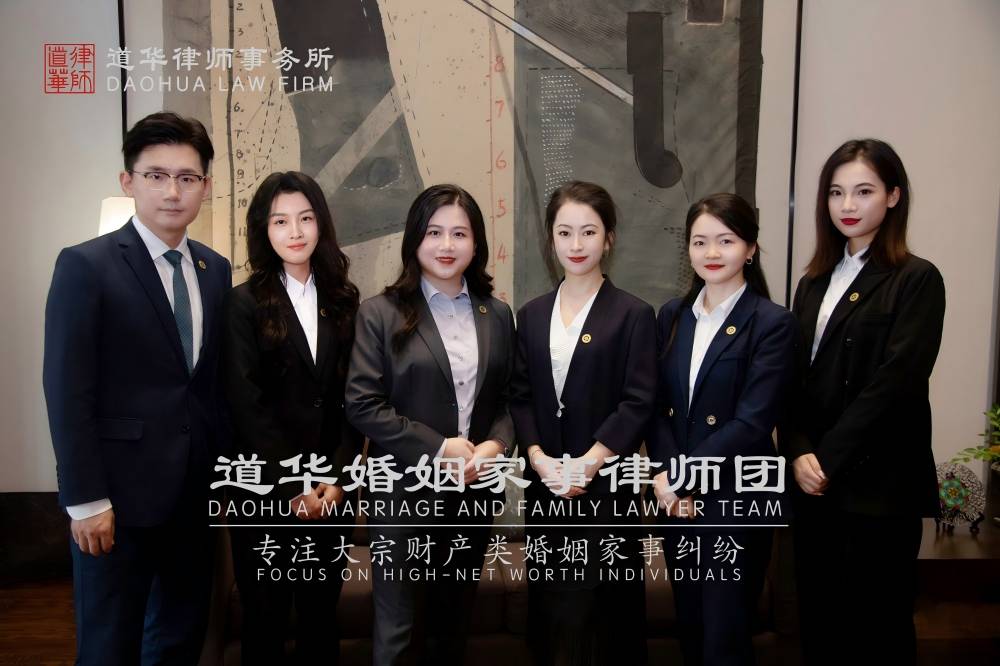
Dao Hua Family Law Firm (Guangdong Dao Hua Law Firm), with ten years of focus on major property marriage and family legal services, divorce, inheritance, and family disputes (mediation/trial) practical experts, is one of the influential brands of professional legal services in the Guangdong Guangdong-Hong Kong-Macau Greater Bay Area [Shenzhen local], and is also a benchmark lawyer team for mediation and trial in the field of cross-border divorce and inheritance.
Tang Yunhong lawyerThe team has handled over 1,000 cases related to marriage and inheritance, with involved amounts totaling tens of billions of yuan, involving listed company equity,Shenzhen small property housesWith extensive successful trial experience in the areas of divorce property division, inheritance disputes, will drafting and family property succession, and dispute resolution, we are particularly adept at handling cross-border and cross-jurisdictional divorce property litigation, inheritance lawsuits, and other industry-specific complex issues. Utilizing localized legal acumen, we overcome various complex domestic property disputes, earning high praise from clients and a positive industry reputation.
Adhering to the philosophy of "ensuring property safety, preventing legal risks, and empowering wealth growth," we gather experts from industries such as law, banking, insurance, and finance and taxation. With rich experience in civil and commercial litigation and arbitration, as well as civil and criminal crossover and tax planning, we provide a comprehensive package of solutions for high-net-worth clients (including those from Hong Kong, Macau, and foreign nationals) for marriage, family affairs, and wealth inheritance. This is to achieve the beautiful vision of risk prevention and control, debt isolation, and family wealth inheritance.
Asset types include: real estate (residential properties, small property rights houses, land, factories, etc.), movable property (vehicles, antiques, paintings, gold jewelry, etc.), various property rights (cash deposits, equity, debts, relocation compensation, fund investments, virtual property, intellectual property rights, etc.). The team systematically compiles professional achievements such as "Compilation of Successful Cases of Dahuawu Marriage and Inheritance" and "Legal Practice of Family Wealth Transmission," to meticulously protect clients' property rights and interests, and to safeguard the transmission of family wealth with meticulous service!
Statement:The information or articles published on this website are for exchange purposes only. The names of individuals or companies mentioned in this article are pseudonyms, and the amounts and dates of the case information have been processed for confidentiality. The content of the article is created by the author and does not represent legal opinions or suggestions provided by Guangdong Daohua Law Firm or other lawyers. The information contained in this article is provided for general information purposes only, and Guangdong Daohua Law Firm does not make any timely modifications or updates to this article. Decisions made by readers based on all or part of the content of this article and the consequences arising therefrom are solely the responsibility of the individuals making the decisions. Neither the author nor Guangdong Daohua Law Firm assumes any responsibility. If any content of this article is to be reproduced or cited, please indicate the source. If you need legal advice or legal services, please contact our lawyers.
No registration required, quick appointment, expert lawyers provide customized legal service solutions
 Consultation Appointment:400-829-6880
 Private Space:18126123723
 Law Firm: Guangdong Daohua Law Firm
 Email:DAOHUALAWMF@163.com
 Address:810, Rongchao Economic & Trade Center, 4028 Jintian Road, Futian District, Shenzhen (Next to Civic Center)

18126123723
Follow us anytime, anywhere


