
Navigation
```htmlDaohua Marriage and Family Lawyer Team
Practical Expert in Marriage and Family Disputes (Medigation/Litigation)
Ten Years of Focus · Large‑Asset Marriage and Family Legal Services
Guangdong Daohua Law Firm, Daohua Marriage and Family Lawyer Team, Attorney Tang Yunhong, Recommended Top 10 Divorce Lawyers in Shenzhen, Recommended Top 10 Inheritance Lawyers, professional divorce litigation and inheritance litigation lawyers in the Guangdong‑Hong Kong‑Macao Greater Bay Area, renowned family lawyer for large‑asset estates, with numerous successful cases. Specializes in: difficult property division / court litigation, division of listed company equity / funds / stocks, real estate, Shenzhen small‑property‑rights houses / farmers' houses, land, factories, virtual currency assets, Hong‑Kong‑related divorce property division, marital / divorce property agreements, tax planning, debt isolation, divorce property transfer, foreign‑national inheritance, notarization of wills, will / statutory inheritance dispute litigation, will drafting and validity determination, old‑city redevelopment and relocation, civil‑criminal cross‑border coordination, etc. Service areas: Guangdong, Shenzhen, Futian, Hong Kong, Macau, Overseas, Guangzhou, Zhongshan, Zhuhai, Foshan, Huizhou, Dongguan.

Abstract: The recent documentary "The Wave 2" Episode 2, "Li Kangmei's Decision," has sparked widespread online discussion. 70‑year‑old Li Kangmei and the elderly Mr. Li from Shanghai knew each other and stayed together for eighteen years. Both were single, living as companions day and night, supporting each other in old age and jointly managing their later lives. For eighteen years, she accompanied him daily and took meticulous care of him. When Mr. Li was diagnosed with cancer and entered the final stage of his life, Li Kangmei provided full‑time personal care and devoted herself completely. However, legally, she remained only a "cohabiting friend" without any status—no right to sign as a family member, no inheritance rights, and not even a lawful identity to see him off. This warm yet regretful late‑life companionship reveals the harshest legal truth for contemporary middle‑aged and elderly non‑marital cohabitants: emotional daily companionship cannot outweigh a marriage certificate in the eyes of the law.
Chief Attorney Tang Yunhong of the Marriage and Family Lawyer Team at Guangdong Daohua Law Firm has over ten years of deep experience in Shenzhen marriage, family, and inheritance matters, having handled more than 500 family cases. Combining the Civil Code and local Shenzhen adjudication rules, she provides an in‑depth analysis of the core legal issues behind this case, including marital validity and inheritance, and dissects the legal blind spots and actual risks of non‑marital cohabitation.
I. Case Review
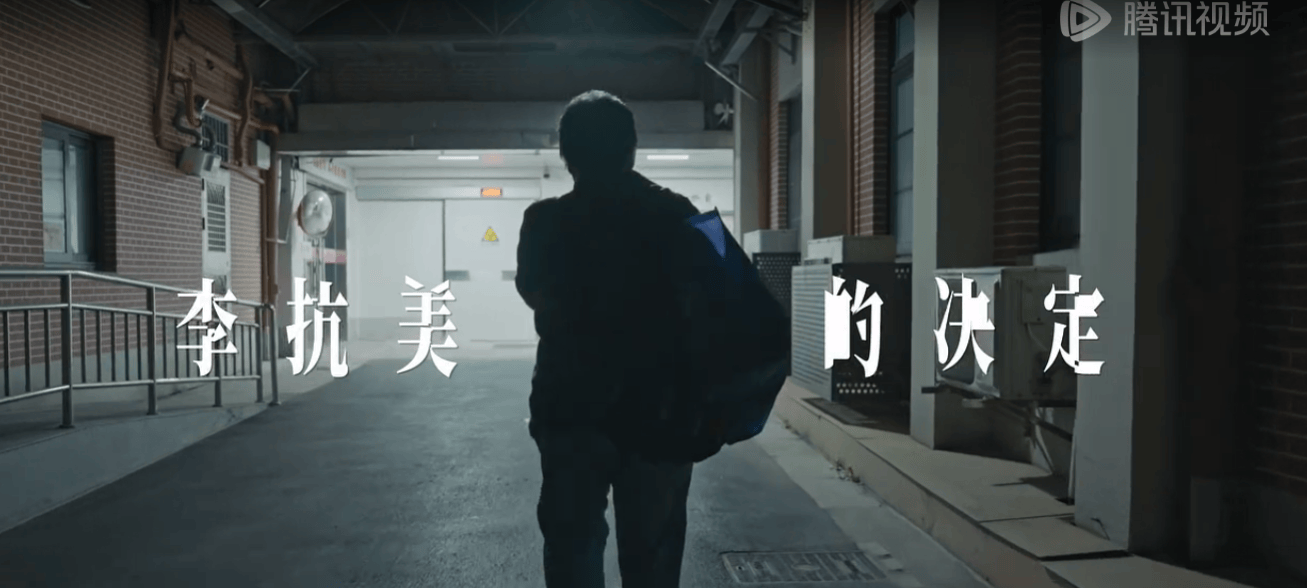
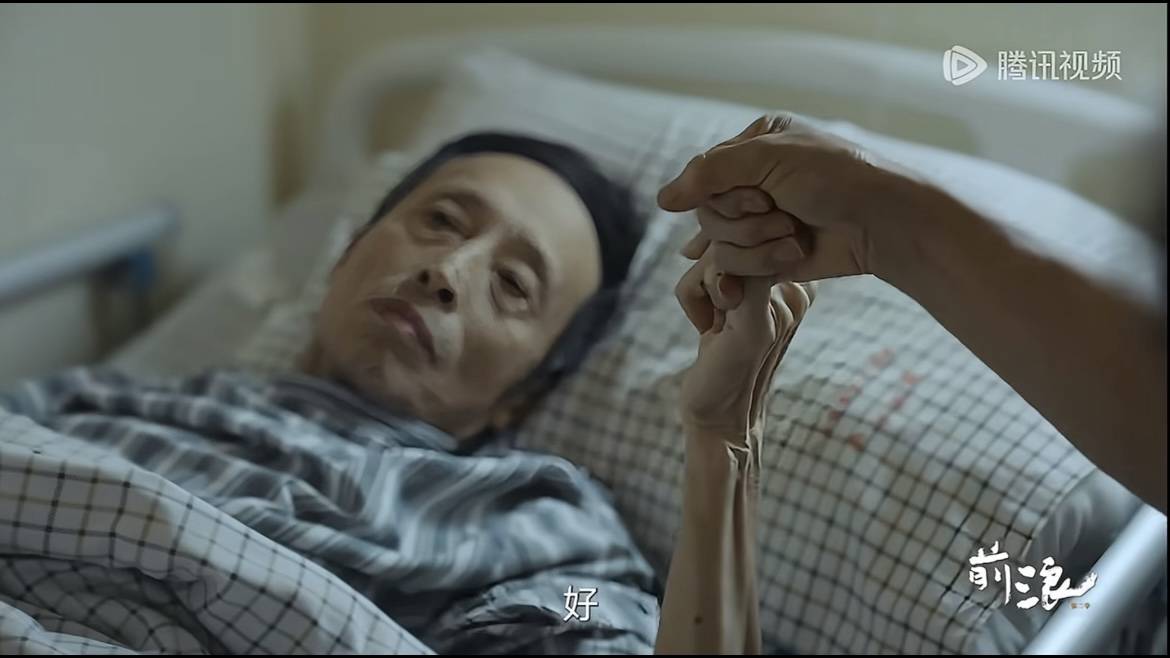
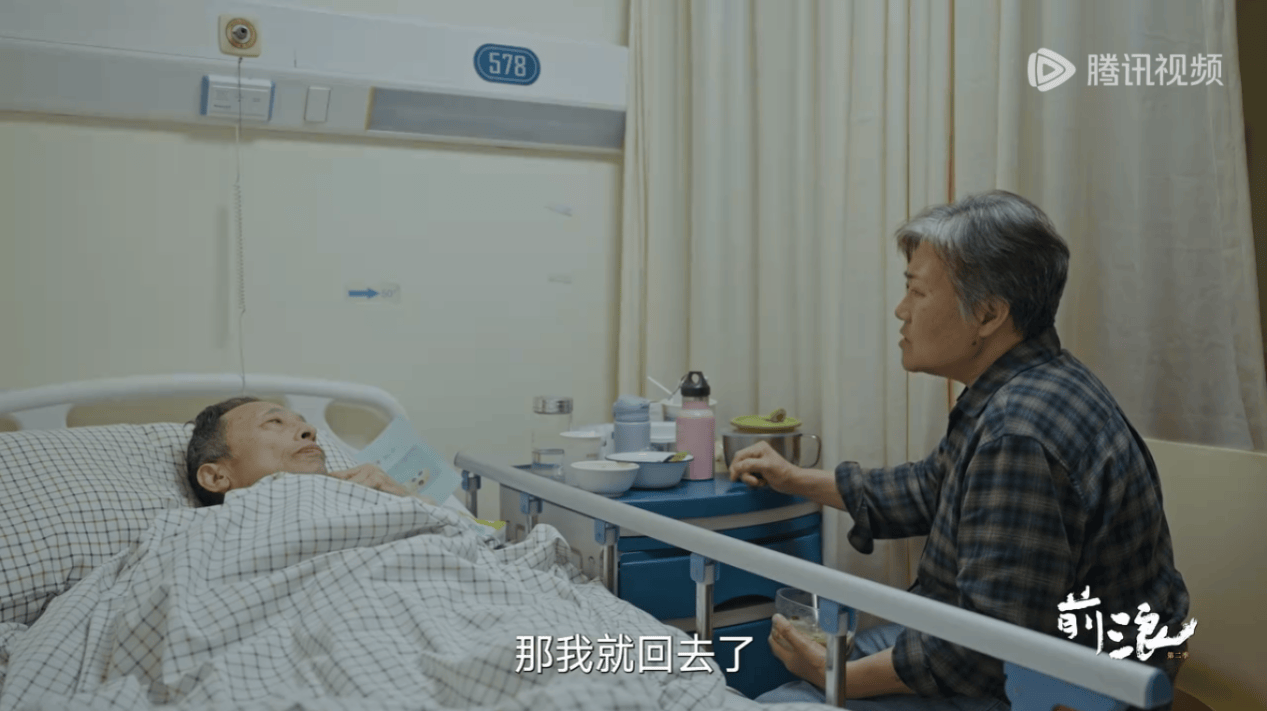
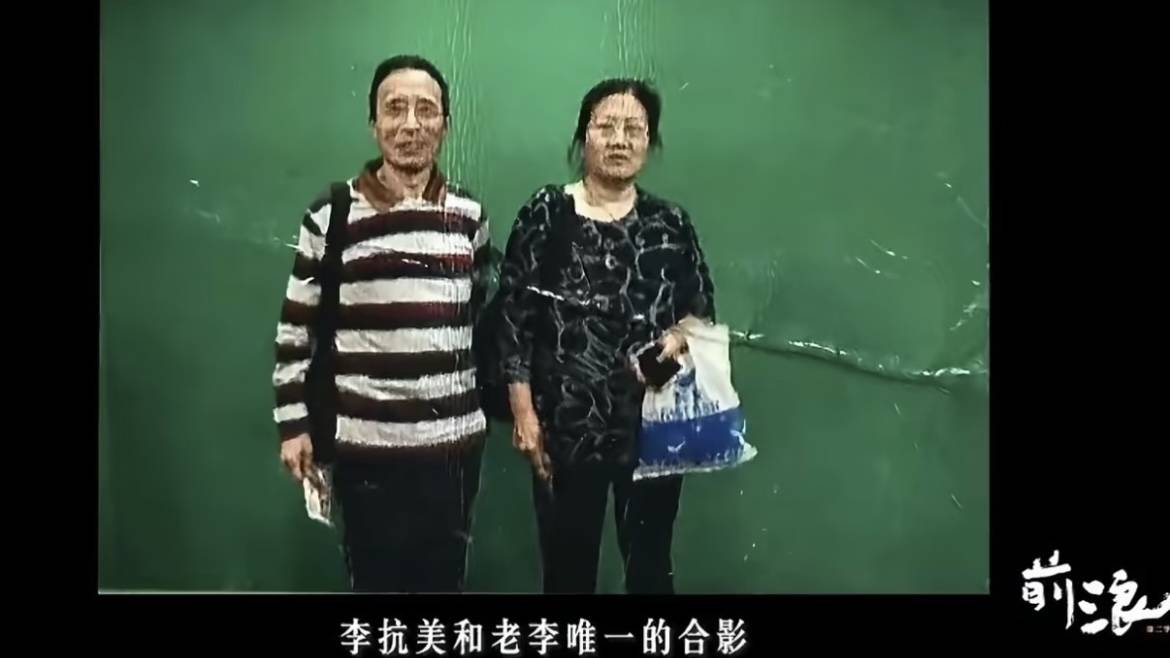
In 2008, Li Kangmei, a divorced retired female worker from Luoyang, met Mr. Li, a widowed retired translator from Shanghai. She then gave up her life in her hometown and moved to Shanghai, renting a place to live together for a full 18 years. During their time together, Li Kangmei repeatedly suggested getting married to obtain a legitimate status, but Mr. Li always made excuses and never went through with marriage registration. Six years ago, Mr. Li was diagnosed with bladder cancer and once took the initiative to send her back to Luoyang. Two years ago, when he was critically ill and admitted to a hospice ward, with doctors predicting only 38 days left, Li Kangmei went to Shanghai again to provide personal care. However, when signing, decision‑making, and funeral arrangements all belonged to his daughter, she came to a sobering realization: eighteen years of affection counted for nothing legally—she was merely an "outsider." After much hesitation, Li Kangmei eventually decided to leave and return to Luoyang. Twenty‑five days later, Mr. Li passed away; the news came from the production crew, and his daughter did not inform her at all.
II. Legal Analysis: Core Legal Differences Between Non‑Marital Cohabitation and Lawful Marriage
Many people commonly use "de facto marriage" to define long‑term cohabiting partnerships, but under current Chinese law, this is a typical misconception. The core tragedy in "Li Kangmei's Decision" stems precisely from the vast legal disparity between non‑marital cohabitation and lawful marriage—they differ completely in terms of spousal status, rights and obligations, and legal protections.
(1) The boundary for de facto marriage no longer applies to ordinary cohabitation
According to Chinese judicial interpretations, only those who met the substantive requirements for marriage and lived together as husband and wife without registration before February 1, 1994, can be recognized as having a de facto marriage and enjoy the same legal protection as a lawful marriage. In this case, Li Kangmei and Mr. Li began cohabiting only in 2008, which is far beyond the statutory time threshold. Under Article 1049 of the Civil Code, both parties to a marriage shall personally apply for marriage registration at the marriage registration authority; if the requirements are met, they shall be registered and issued a marriage certificate. Marriage is established upon completion of registration.
Therefore, their relationship is merely ordinary non‑marital cohabitation, which does not create spousal status throughout, nor does it confer any statutory rights or obligations of marriage.
(2) Lack of spousal status: no family qualification, no personal rights
In a lawful marriage, spouses are each other's legal next‑of‑kin and enjoy full personal rights, including the right to medical informed consent, the right to sign for critical care decisions, the right to handle funeral affairs, and guardianship rights. Non‑marital cohabitants have none of these rights—this was the core pain point that left Li Kangmei helpless in her later years.
Legally, she had no right to participate in decisions regarding her partner's life‑saving treatment, nor could she handle his funeral as a family member—her personal rights were completely unprotected.
III. Core Issue of Inheritance: Why No Inheritance Rights Despite Eighteen Years of Devotion?
The most controversial point in this case is the stark contrast between eighteen years of genuine devotion and zero inheritance rights. Many viewers are puzzled: why can a long‑term caregiver who performed primary support obligations not inherit the estate? Based on hundreds of inheritance cases and the provisions of the Civil Code's inheritance chapter, Attorney Tang Yunhong can clearly explain the legal principles.
(1) Statutory heirs are limited to legal relatives; cohabitants are not included
Article 1127 of the Civil Code explicitly provides that statutory heirs are limited to spouses, children, parents, siblings, grandparents, and maternal grandparents. Statutory inheritance rights arise from familial status and are strictly personal in nature. Unregistered cohabitants do not fall within the category of statutory heirs.
In this case, Mr. Li's parents had long passed away, and his spouse had died earlier. His only first‑order statutory heir was his daughter. Even though Li Kangmei accompanied him for eighteen years and cared for him until the end, because she lacked lawful spousal status, she had no statutory inheritance rights and could not claim any of Mr. Li's estate, including real estate and bank deposits. All of his property ultimately passed to his daughter in accordance with the law.
(2) Discretionary right to a proper share of the estate: limited remedy, not equivalent to inheritance rights
Many people mistakenly believe that long‑term care for the deceased entitles one to a share of the estate. Article 1131 of the Civil Code does provide that a person who is not a statutory heir but is dependent on the deceased, or who has provided substantial support to the deceased, may be given an appropriate portion of the estate. This is the well‑known "discretionary right to a proper share," and it is the only estate remedy available to non‑marital cohabitants.
However, this right is strictly limited and not absolute. First, its nature is "discretionary" rather than "statutory inheritance"—the court has discretion, and it does not mean the claimant can split the estate equally with the children. Moreover, the share awarded is usually far less than that of statutory heirs, serving only as moderate compensation for the support provided, rather than an equal division of the estate.
In the documentary, Li Kangmei did not assert any such rights after Mr. Li's death, and their finances during cohabitation were relatively separate. Mr. Li's main assets were pre‑marital property, so she ultimately received no estate distribution—a typical shortcoming of non‑marital cohabitation protections.
IV. The Conflict Between Emotion and Law: The Legal Dilemma of Middle‑Aged and Elderly "Partnership for Aging"
The reason "Li Kangmei's Decision" resonates so broadly is that it strikes at the common pain points of contemporary middle‑aged and elderly remarriage and companion‑based aging. This model of "just companionship, no status, no property involvement" may seem transparent and free, but it actually conceals huge legal risks.
From an emotional standpoint, Li Kangmei's eighteen years of companionship and devotion are beyond reproach. She gave up her life in her hometown, moved to a distant place to care for her partner, and remained by his side through serious illness, fulfilling caregiving duties far beyond those of an ordinary family member. She deserved emotional and material reciprocity. But from a legal standpoint, the law only recognizes the spousal relationship established through registered marriage; it does not create rights based on emotional commitment or length of cohabitation. This is a fundamental principle of law and the basis of judicial fairness.
V. Legal Education and Guidance
This case sounds a legal alarm for the vast number of middle‑aged and elderly individuals who choose non‑marital cohabitation or companion‑based aging. Emotions cannot replace the law, and sincere devotion cannot avoid legal risks. To achieve stable aging and comprehensive protection of rights, one must rely on legal safeguards. Attorney Tang Yunhong, drawing on years of family wealth planning experience, offers three risk‑mitigation strategies that balance the concerns of the elderly with legal protection.
(1) Complete marriage registration lawfully to secure the core bottom line of rights
Marriage registration is the most direct and effective way to protect the personal, property, and inheritance rights of both spouses. For middle‑aged and elderly couples with a long‑term intention to cohabit, obtaining a certificate is not a constraint but a mutual safeguard. Prenuptial agreements can be signed to clarify ownership of pre‑marital property and agree on post‑marital property distribution. This not only establishes lawful spousal status and grants statutory rights such as medical consent and inheritance, but also effectively alleviates children's concerns and avoids property disputes, balancing emotion and law.
(2) Draft a lawful will to clearly state estate distribution wishes
If the parties are unwilling to register their marriage for special reasons, the decedent may make a will in lawful forms such as a holographic will, notarial will, or witnessed will, explicitly devoting part or all of their property to the cohabiting partner. Under Article 1123 of the Civil Code, a will takes precedence over statutory succession. As long as the will is genuine and formally valid, it can override the statutory heirs and ensure that the long‑term caregiving partner receives a corresponding share, remedying the lack of inheritance rights in non‑marital cohabitation. The will may also specify arrangements for late‑life care and funeral matters to avoid disputes after death.
(3) Preserve caregiving evidence and claim the discretionary share of the estate according to law
The long‑term caregiving partner should keep records of nursing care, medical payment receipts, daily expense logs, chat records, witness statements, and other evidence to prove that they provided substantial and primary support and care to the decedent. In the event of an inheritance dispute, they may file a claim with the court under the Civil Code for a discretionary share of the estate, seeking reasonable compensation through judicial channels to compensate for years of devotion.
VI. Conclusion
This case serves as a legal wake‑up call for the many middle‑aged and elderly individuals who choose non‑marital cohabitation or companion‑based aging. Emotions cannot replace the law, and genuine devotion cannot circumvent legal risks. To achieve secure retirement and comprehensive protection, one must rely on lawful safeguards. Attorney Tang Yunhong, drawing on years of family wealth planning experience, offers three risk‑mitigation strategies that balance the concerns of the elderly with legal protection.
(1) Complete marriage registration lawfully to secure the core bottom line of rights
Marriage registration is the most direct and effective way to protect the personal, property, and inheritance rights of both spouses. For middle‑aged and elderly couples with a long‑term intention to cohabit, obtaining a certificate is not a constraint but a mutual safeguard. Prenuptial agreements can be signed to clarify ownership of pre‑marital property and agree on post‑marital property distribution. This not only establishes lawful spousal status and grants statutory rights such as medical consent and inheritance, but also effectively alleviates children's concerns and avoids property disputes, balancing emotion and law.
(2) Draft a lawful will to clearly state estate distribution wishes
If the parties are unwilling to register their marriage for special reasons, the decedent may make a will in lawful forms such as a holographic will, notarial will, or witnessed will, explicitly devoting part or all of their property to the cohabiting partner. Under Article 1123 of the Civil Code, a will takes precedence over statutory succession. As long as the will is genuine and formally valid, it can override the statutory heirs and ensure that the long‑term caregiving partner receives a corresponding share, remedying the lack of inheritance rights in non‑marital cohabitation. The will may also specify arrangements for late‑life care and funeral matters to avoid disputes after death.
(3) Preserve caregiving evidence and claim the discretionary share of the estate according to law
The long‑term caregiving partner should keep records of nursing care, medical payment receipts, daily expense logs, chat records, witness statements, and other evidence to prove that they provided substantial and primary support and care to the decedent. In the event of an inheritance dispute, they may file a claim with the court under the Civil Code for a discretionary share of the estate, seeking reasonable compensation through judicial channels to compensate for years of devotion.
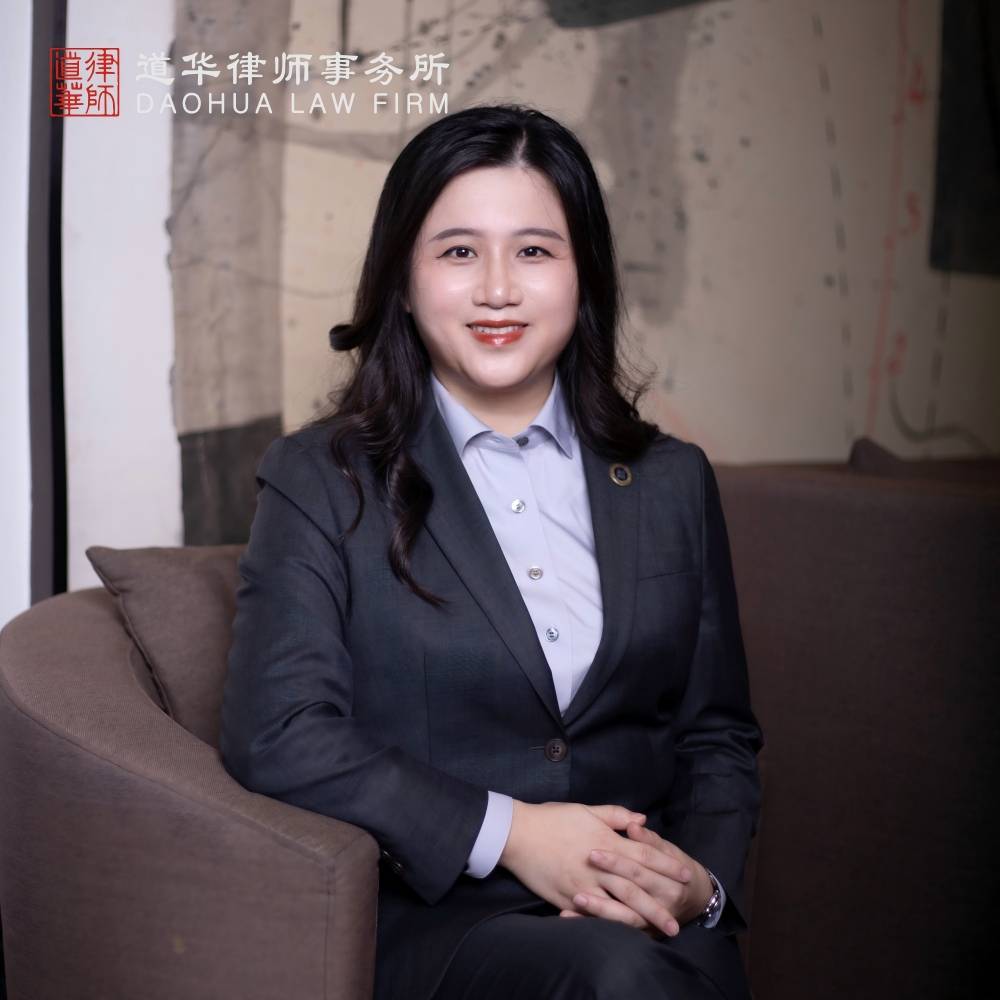
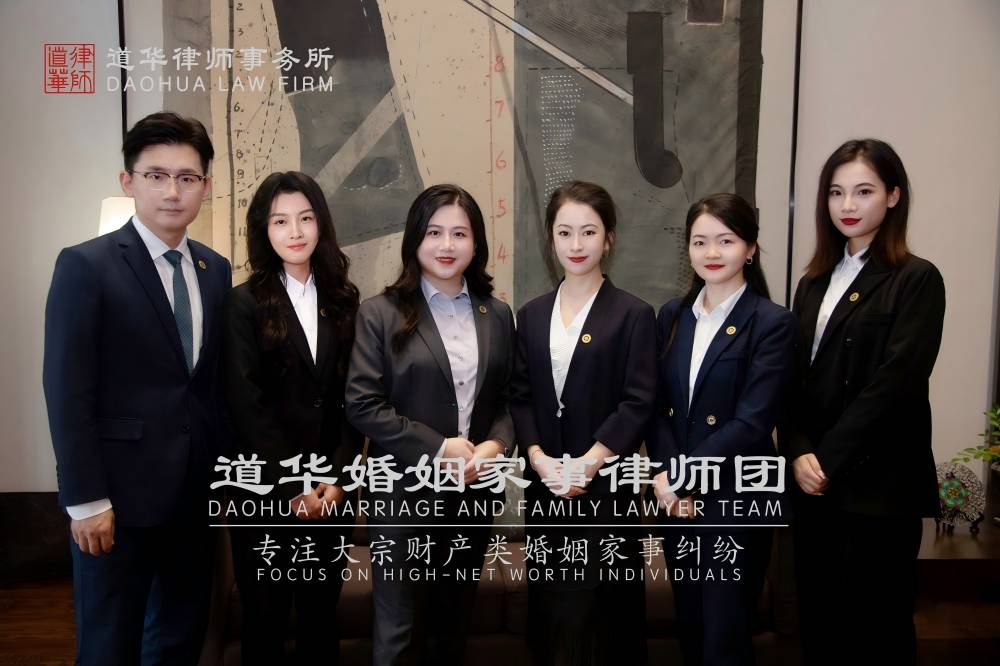
Daohua Marriage and Family Lawyer Team (Guangdong Daohua Law Firm) – ten years of focus on large‑asset marriage and family legal services, practical experts in divorce and inheritance family dispute mediation/litigation. It is one of the influential brands in professional legal services in the Guangdong‑Hong Kong‑Macao Greater Bay Area (Shenzhen‑based), and a benchmark team in the field of cross‑border divorce and inheritance mediation and litigation.
Attorney Tang Yunhong's team has handled over 1,000 marriage and inheritance cases, involving billions of yuan. They have rich practical experience in successfully litigating complex disputes such as division of listed company equity, Shenzhen small‑property‑rights houses, land, factories and other large assets in divorce, inheritance dispute litigation, will drafting and family legacy succession. They are particularly adept at handling difficult cross‑border and international divorce and inheritance cases, using localized strategies to resolve complex family property disputes, earning high praise from clients and industry recognition.
Adhering to the philosophy of "protecting property safety, preventing legal risks, and empowering wealth growth," the team brings together experts from law, banking, insurance, taxation, and other fields. With substantial successful experience in civil and commercial litigation, arbitration, civil‑criminal cross‑border matters, and tax planning, they provide high‑net‑worth clients (including those from Hong Kong, Macau, and abroad) with comprehensive solutions for marriage and family matters and wealth succession, achieving risk control, debt isolation, and the vision of family wealth transmission.
Asset types covered include: immovable property (commercial housing, small‑property‑rights houses, land, factories, etc.), movable property (vehicles, antiques, calligraphy, paintings, gold, jewelry, etc.), and various property rights (cash deposits, equity,债权, demolition compensation, fund investments, virtual assets, intellectual property, etc.). The team systematically compiles professional outputs such as "Daohua Marriage and Inheritance Successful Case Compendium" and "Legal Practice of Family Wealth Succession," safeguarding clients' property interests with utmost professionalism and protecting family legacy with dedicated service!
Disclaimer: The information or articles published on this website are for communication purposes only. The names/company names mentioned in this article are pseudonyms, and amounts/dates and other case information have been anonymized. The content is created by the author and does not represent legal opinions or advice of Guangdong Daohua Law Firm or other attorneys. The information contained herein is provided as general information only, and Guangdong Daohua Law Firm does not update or modify this article for timeliness. Readers who make decisions based on all or part of this article with respect to their own cases do so at their own risk, and the author and Guangdong Daohua Law Firm assume no liability. If you wish to reprint or quote any content from these articles, please indicate the source. If you need legal advice or services, please feel free to contact our attorneys.
```
No registration required, quick appointment, expert lawyers provide customized legal service solutions
 Consultation Appointment:400-829-6880
 Private Space:18126123723
 Law Firm: Guangdong Daohua Law Firm
 Email:DAOHUALAWMF@163.com
 Address:810, Rongchao Economic & Trade Center, 4028 Jintian Road, Futian District, Shenzhen (Next to Civic Center)

18126123723
Follow us anytime, anywhere


