
Navigation
Author: Dao Hua Marriage and Family Law FirmDate: 2026-07-01Reads:times
Marriage and Family Affairs Dispute (Mediation/Litigation) Practical Expert
Ten years of focus on; marriage and family legal services for bulk property matters
Guangdong Dao Hua Law Firm, Dao Hua Marriage and Family Law Team, Tang Yunhong Lawyer, Top Ten Divorce Lawyers in Shenzhen, Top Ten Inheritance Lawyers, Professional Divorce and Inheritance Litigation Lawyers in the Guangdong-Hong Kong-Macau Greater Bay Area, Renowned Lawyers for Large Family Properties, Numerous Successful Case Wins, Particularly Skilled in Handling: difficult property division/court litigation, listed company equity/fund/share division, real estate, Shenzhen small property rights houses/farmer houses, land, factories, virtual currency assets, Hong Kong divorce property division, marital/divorce property agreements, tax planning, debt isolation, divorce property transfer, cross-border inheritance, will notarization, will/inheritance disputes litigation, will drafting and validity determination, old city renovation and demolition, civil and criminal overlap, cross-border collaboration, etc. Service Areas: Guangdong, Shenzhen, Futian, Hong Kong, Macau, Overseas, Guangzhou, Zhongshan, Zhuhai, Foshan, Huizhou, Dongguan.

One, Case Review
After marriage, the pre-marital property was sold, and the proceeds were used to purchase post-marital property, registered in both parties' names? How should the property be divided in divorce?
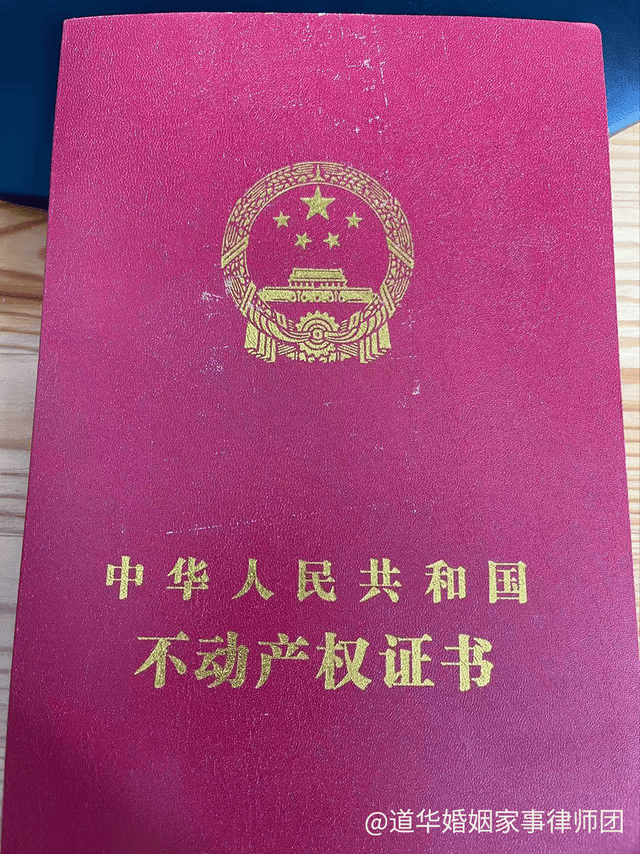
Mr. Zhang and Ms. Wang registered their marriage in 2006. During the marriage, Mr. Zhang sold the property he and his father owned before marriage, using the proceeds as the main investment. In 2014, he and Ms. Wang jointly purchased a residential property after marriage, with the property registered in both their names, and the remaining amount was handled through a bank mortgage loan. At the same time as the house purchase, they signed a written agreement, specifying the amount of investment from Mr. Zhang's pre-marriage personal property and the part of the joint property investment. Later, their marital feelings gradually drifted apart, and they finally divorced after mediation by the court in 2022. As the post-marriage property had been sold long ago, the proceeds involved related to the rights and interests of third parties, and the two parties did not divide and handle this amount in the divorce mediation case. After the divorce, the two parties had a major disagreement over the distribution of the proceeds from the sale of the property, and after failing to reach an agreement through negotiation, they sued the court. [Case number: (2022) Hu0115Minchu 76369]
Second, case result
The court investigated and confirmed that the acquisition of the involved property occurred during the marriage of the couple, and the property rights were registered in joint tenancy, thus legally possessing the attributes of joint marital property. Ms. Wang claimed that both parties had reached an agreement on the division of the proceeds from the sale of the house and had actually fulfilled it, but she failed to provide sufficient evidence to substantiate the agreed-upon facts. The communication records between the two parties also did not show that Mr. Zhang had agreed to the transfer of funds as the final division plan. The court did not accept this defense claim. The court sorted out the investment history of the involved property, combined with the written agreements signed by both parties, the house transaction records, and the bank statements, and confirmed that the main funds for purchasing the house came from the sale of Mr. Zhang's pre-marital property, and the remaining house payment and subsequent loan repayment were all borne by the joint marital property. Mr. Zhang's economic investment in the involved house was significantly higher.
After considering the source of property, contribution of capital, actual marital status, and the principle of rights protection during the trial process, after deducting the remaining mortgage on the house, transaction intermediary fees, and actual property expenses, the amount of proceeds from the sale of the house divisible by both parties is determined appropriately, and an order is issued for one party to return the corresponding remaining amount to the other party.
Chapter 3: Experience in Handling Cases
(1) Dao Hua lawyer believes
Many families will encounter situations where they sell pre-marriage properties and purchase new homes after marriage. How to determine ownership and divide shares during a divorce, after the property ownership is registered in the names of both spouses, has always been a typical issue with high controversy in domestic disputes. The judgment approach in this case has strong reference significance for similar property disposal disputes. The identification of property ownership has always been a common difficulty in marital and domestic disputes. If one party sells their pre-marriage property after marriage, although the funds themselves still possess personal property attributes, if the funds are invested in purchasing a new property after marriage, and the party voluntarily registers the property ownership as jointly owned by both spouses, and no special written property agreement is made to make a contrary determination, judicial practice will recognize the legal effectiveness of the registration action, and treat the entire property as a joint marital property.
Many parties have misconceptions about the disposal of such properties. Some mistakenly believe that the funds for purchasing the house come from the sale of pre-marital properties, and therefore the house should naturally belong to personal property, ignoring the legal effect of property registration; others think that the property is already registered as jointly owned, and should be mechanically divided equally in divorce. The approach of this case trial clarifies these two common deviations. When handling the division of such properties, the court first uses the source of capital and the actual economic contributions of both parties as the core judgment criteria. In cases like this one, where one party uses the proceeds from the sale of pre-marital properties as the main investment and the other party only participates in subsequent repayments or makes small contributions, the judgment will take into account the respect for the personal property rights before marriage and recognize the property contributions of both parties during the marriage, giving a moderate preference to the party with greater investment contributions. Moreover, written agreements between the couple regarding the amount and source of pre-marital capital, which are recognized in judicial practice, are also important evidence for the court to determine the proportion of contributions and the amount of division.
(2) Daohua Lawyer Reminds
Real estate, as the core large asset of a family, has become a very common way to handle property by exchanging pre-marital property for a new house and registering it as joint ownership between husband and wife. However, this type of property not only has a complex ownership definition, but also a relatively high difficulty in proving during the property division stage of divorce, in addition to the numerous details considered by the judgment, which makes it easy for ordinary people to overlook the potential legal risks.
When selling pre-marriage property and purchasing a new house, be sure to keep all transaction documents intact, including the pre-marriage house purchase contract, property transfer agreement, and complete bank statements. It is recommended to deposit the pre-marriage earnings into a separate account and do not mix it with post-marriage daily income and expenses to prevent difficulties in proving the source of funds later.
When registering the property rights of a new house after marriage, it is necessary to carefully choose the registration method. If you wish to retain all pre-marital property rights, you can choose to register it in your own name; if you volunteer to register it as jointly owned by both parties, it is recommended to enter into a written property agreement in advance, clearly specifying the pre-marital contribution shares, the allocation of house appreciation, and the division plan after divorce, in order to prevent subsequent property disputes through written agreements.
Even if the property is registered as jointly owned by the couple, it is not necessary to insist on an equal split. The court can weigh various factors such as the pre-marital contribution ratio, post-marital loan payments, domestic labor contributions, and the actual situation of the marriage to make a comprehensive judgment. The party with a greater contribution can, in accordance with the law, strive for a more reasonable proportion of property distribution.
Domestic property disputes involve professional legal issues such as property characterization, fund tracing, and agreement validity determination. Any missing evidence or ambiguous agreements at any stage can lead to the loss of property rights. The Daohua Family and Marriage Law Firm specializes in domestic property division, proficient in various complex practical issues such as the transformation of pre-marital property forms, the identification of jointly-owned post-marital properties, and the division of property shares in divorce. It can assist parties in sorting out a complete evidence chain, drafting standardized property agreements, and fully representing litigation matters, clearly defining property ownership, and comprehensively safeguarding the legitimate property rights of parties before and during marriage.
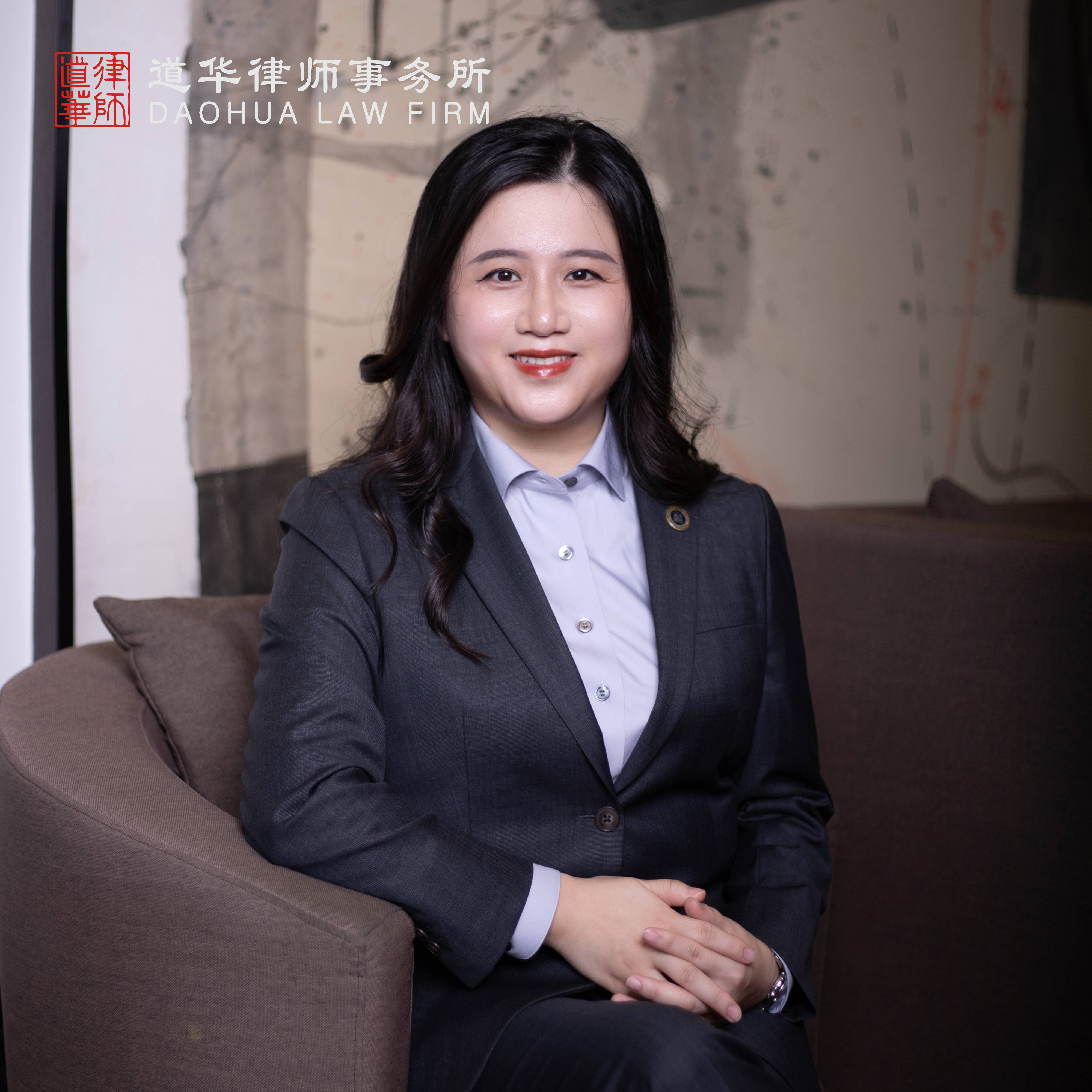
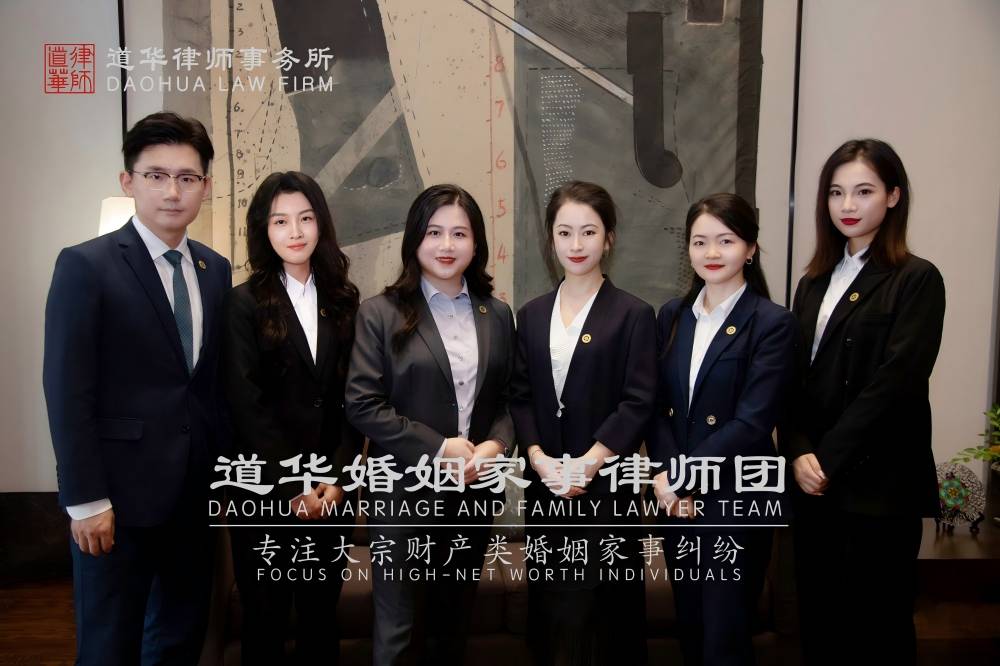
Daohua Family Law Firm (Guangdong Daohua Law Firm), with ten years of focus on major property, marriage, and family legal services, divorce inheritance family disputes (mediation/trial) practical experts, one of the influential brands of professional legal services in the Guangdong-Hong Kong-Macau Greater Bay Area [Shenzhen local], and even a benchmark lawyer team for mediation and trial in the renowned cross-border divorce inheritance field.
The Tang Yunhong Law Firm has handled over 1000 cases related to marriage and inheritance, involving tens of billions of yuan in amounts. The firm has extensive successful litigation experience in the fields of dispute resolution for the division of large properties such as listed company equity, Shenzhen small property rights houses, land, and factories, as well as inheritance disputes, will drafting, and family property inheritance. It is particularly skilled in handling cross-border property divorce litigation and inheritance lawsuits, which are industry-level difficult and painful issues. The firm uses localized legal wisdom to overcome various complex domestic property disputes, winning high praise from clients and industry reputation.
Adhering to the philosophy of "securing property safety, preventing legal risks, and empowering wealth appreciation," we gather experts from industries such as law, banking, insurance, and finance and taxation. With rich experience in civil and commercial litigation and arbitration, as well as civil and criminal crossover and tax planning, we provide a comprehensive package of solutions for high-net-worth individuals (including those from Hong Kong, Macau, and foreign nationals) for marriage, family affairs, and wealth inheritance. This aims to achieve the beautiful vision of risk prevention and control, debt isolation, and family wealth inheritance.
Asset types include: real estate (residential properties, small property rights houses, land, factories, etc.), movable property (vehicles, antiques, paintings, gold jewelry, etc.), various property rights (cash deposits, equity, debts, relocation compensation, fund investments, virtual property, intellectual property rights, etc.). The team systematically compiles professional achievements such as "Compilation of Successful Cases of Dao Hua Marriage and Inheritance" and "Legal Practice of Family Wealth Transmission", to meticulously protect clients' property rights and interests, and to safeguard the inheritance of family wealth with meticulous service!
Statement:The information or articles published on this website are for exchange purposes only. The names of individuals/companies mentioned in this article are pseudonyms, and the amounts/dates of case information have been processed for confidentiality. The content of the article is created by the author and does not represent legal opinions or suggestions issued by Guangdong Daohua Law Firm or other lawyers. The information contained in this article is provided for general information purposes only, and Guangdong Daohua Law Firm is not responsible for making timely modifications or updates to this article. Decisions made by readers based on all or part of the content of this article and the consequences thereof shall be solely responsible by the individuals involved. The author and Guangdong Daohua Law Firm shall not be held liable. If any content of these articles is to be reproduced or cited, please indicate the source. If you need legal opinions or legal services, please contact our lawyers.
No registration required, quick appointment, expert lawyers provide customized legal service solutions
 Consultation Appointment:400-829-6880
 Private Space:18126123723
 Law Firm: Guangdong Daohua Law Firm
 Email:DAOHUALAWMF@163.com
 Address:810, Rongchao Economic & Trade Center, 4028 Jintian Road, Futian District, Shenzhen (Next to Civic Center)

18126123723
Follow us anytime, anywhere


