
Navigation
Author: Dao Hua Marriage and Family Law FirmDate: 2026-07-06Reads:times
Marriage and Family Dispute Mediation/Litigation Practical Expert
Ten years of focus on; marriage and family legal services for bulk property matters
Guangdong Daohua Law Firm, Daohua Marriage and Family Law Team, Tang Yunhong Lawyer, Top Ten Divorce Lawyers in Shenzhen, Top Ten Inheritance Lawyers, Professional Divorce and Inheritance Litigation Lawyers in the Guangdong-Hong Kong-Macau Greater Bay Area, Renowned Lawyers for Large Family Properties, Numerous Successful Case Histories, Particularly Skilled in Handling: difficult property division/court litigation, listed company equity/fund/share division, real estate, Shenzhen small property rights houses/farmer houses, land, factories, virtual currency assets, cross-border divorce property division, marital/divorce property agreements, tax planning, debt isolation, divorce property transfer, foreign national inheritance, will notarization, will/inheritance by law dispute litigation, will drafting and validity determination, old city renovation and demolition, civil and criminal overlap, cross-border collaboration, etc. Service Areas: Guangdong, Shenzhen, Futian, Hong Kong, Macau, Overseas, Guangzhou, Zhongshan, Zhuhai, Foshan, Huizhou, Dongguan.

One, Case Review
Divorce signature does not mean a final decision: A blank property agreement cannot prevent post-divorce division
Many parties have a fixed perception when handling divorce agreements: as long as the divorce agreement is written in black and white stating there are no joint properties, and both parties sign and register it, the marital property issues are settled, and there is no way to claim a division thereafter. However, there are frequent cases in family court that overturn such agreements, and the dispute between Ms. Shu and Mr. Liu is a highly representative example.
Ms. Shu and Mr. Liu had a son after their marriage. They agreed to divorce on September 16, 2022. The divorce agreement only vaguely stated that there were no common properties or debts, without listing the marital assets such as vehicles and bank deposits. After some time had passed, Ms. Shu unexpectedly learned that Mr. Liu had a child out of wedlock just two months after their divorce. Following this lead, Ms. Shu discovered that the vehicle purchased together during the marriage and the substantial bank deposits in Mr. Liu's name were deliberately concealed by the other party and were never included in the divorce agreement. Ms. Shu then filed a lawsuit, claiming the division of the omitted marital property and seeking compensation for emotional damage based on the major fault of the husband's extramarital affair and the birth of a child.
According to Article 83 of the Interpretation (I) of the Supreme People's Court on the Application of the Marriage and Family Article of the Civil Code of the People's Republic of China, if, after divorce, there is still joint property of the couple that was not handled at the time of the divorce, the parties may file a lawsuit for division, and the People's Court shall accept the case. The involved BYD vehicle was purchased with joint funds during the marriage and registered in Mr. Liu's name, and the two large deposits were also kept in Mr. Liu's bank card. The vehicle and the deposits were not mentioned or disposed of at all during the divorce negotiation phase, and they are typical cases of joint property not being divided. During the trial, Mr. Liu claimed that the transfer of 25,000 yuan in April 2022 was compensation for the vehicle, and the vehicle had been divided. However, the WeChat chat records show that the said amount was for repaying a loan from Ms. Shu's parents, and it had nothing to do with the valuation of the vehicle; the vehicle was appraised by the court, and its value on the date of divorce was 58,300 yuan, and there was a significant gap between the transfer amount and the actual value of the vehicle. The court did not accept this defense.
Therefore, the divorce agreement merely vaguely states that there are no common properties, without itemizing vehicles, savings, and other assets. Such a vague statement can only bind the property that both parties were aware of and agreed upon at the time of signing. If one party deliberately conceals assets and the other party was unaware of this at the time of signing, it cannot be solely based on this vague statement in the agreement to directly deprive the innocent party of their legal right to divide the jointly owned property. [Case number: (2023) Yue 0111 Minchu 17773]
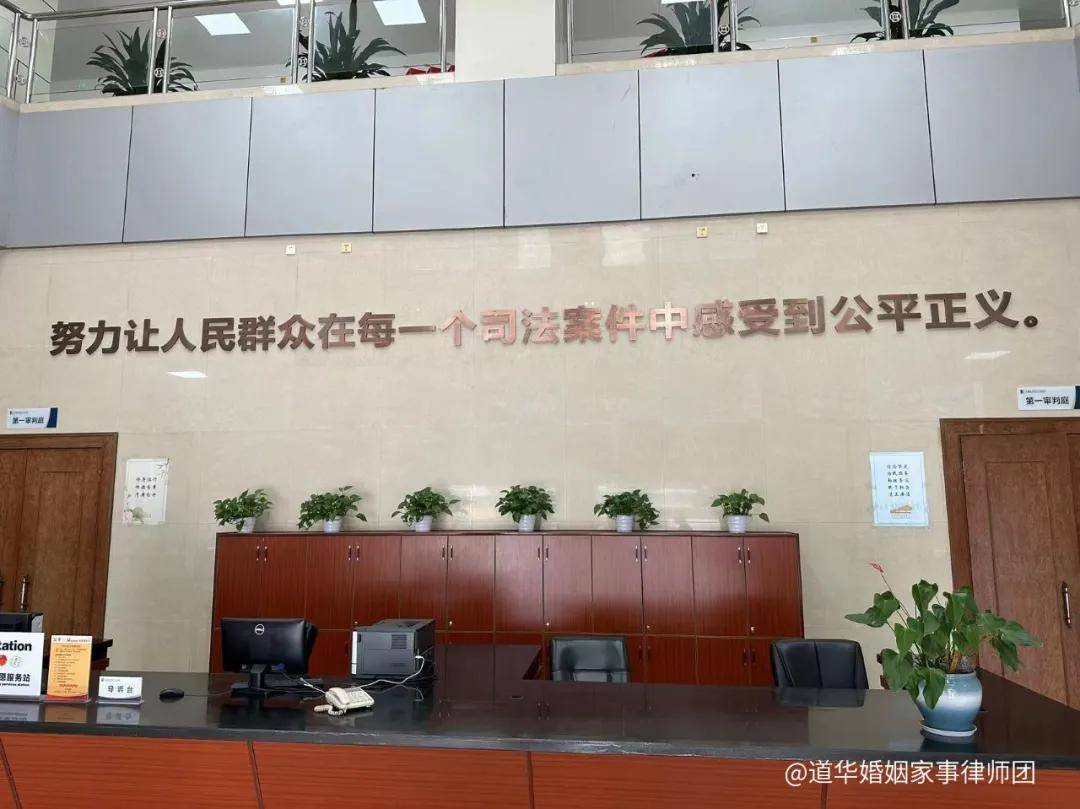
Case outcome
Without concrete evidence of infidelity, how can scattered clues be used to substantiate a major fault within marriage?
The court accepting the case recognizes pregnancy during marriage as a typical application of the high probability standard of proof in family law cases. According to Article 108 of the Interpretation of the Supreme People's Court on the Application of the Civil Procedure Law, the determination of civil facts adopts a high probability standard, which is different from the stringent requirement of excluding all reasonable doubts in criminal proceedings. In this case, there is a lack of direct evidence of infidelity, and the judge cannot exclude extreme cases such as surrogacy and egg freezing from an objective perspective. It is not possible to establish the facts with 100% certainty, but in combination with the child's birth time, the long-term baby photos shared by the male party's family, and the male party's admission of the parent-child relationship, along with the fact that Mr. Liu did not submit any contradictory evidence to overturn the inference, the existing facts are sufficient to allow the judge to form a firm belief. The pregnancy during marriage is highly probable, and accordingly, it is determined that the male party has committed a major fault in marriage as stipulated by the Civil Code.
Looking at the overall environment of domestic disputes, infidelity often occurs in private settings, making it difficult for the parties involved to obtain direct evidence of infidelity. Judicial judgments no longer strictly require parties to submit complete direct evidence, but the application of the rule of high probability has its limits: a single piece of evidence cannot stand on its own, and multiple sets of evidence need to be mutually authenticated. In practice, relying solely on the birth date of a child to claim that the other party committed infidelity usually results in defeat, primarily due to the lack of related supporting evidence. The evidence chain in this case meets the proof standard. At the same time, the admission of evidence is also subject to the legality of evidence collection. Materials obtained through illegal eavesdropping, illegal filming, and other methods, even if their content can be mutually authenticated, should be excluded according to Article 106 of the Interpretation of the Supreme People's Court, as they infringe upon the rights and interests of others and violate public order and good customs. The legality of evidence collection is a prerequisite for the admission of evidence.
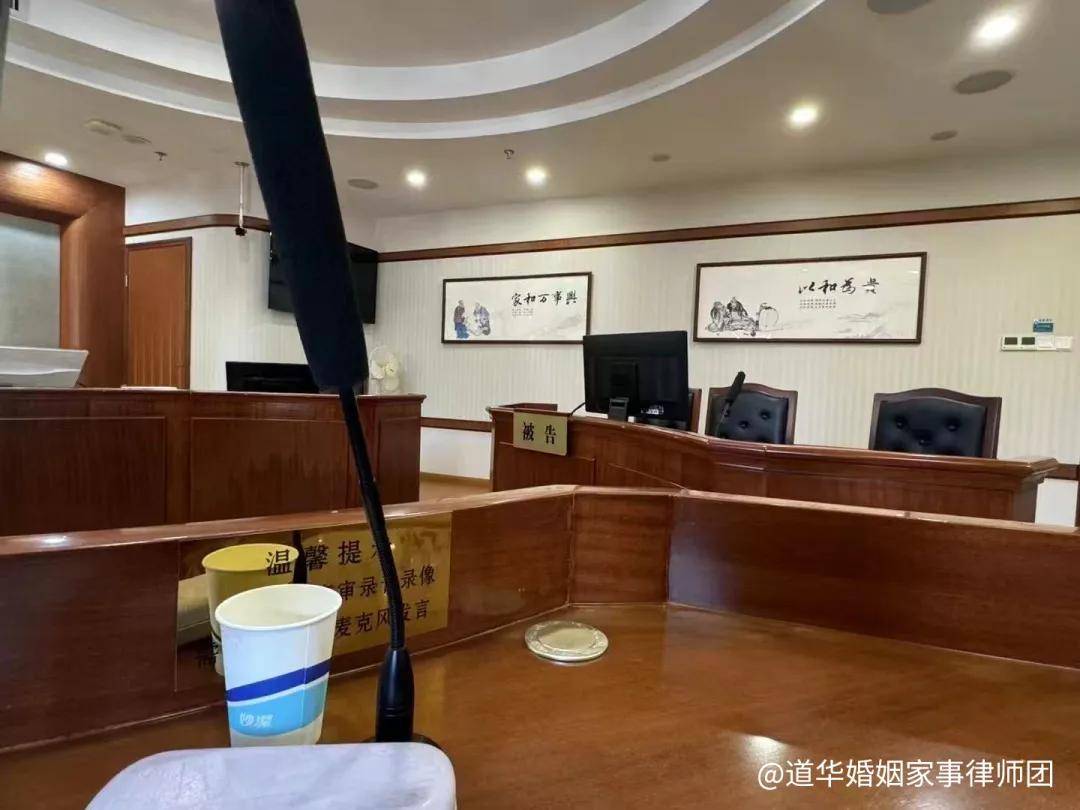
Chapter 3: Experience in Handling Cases
1. The judicial logic of differentiated division of vehicles and deposits under the situation of fault.
The defendant in this case has committed serious faults such as extramarital affairs and concealing joint marital property, but the court has adopted a 60/40 split method for the vehicle involved and an equal division standard for the deposits. The disposal results of the two types of property seem to be inconsistent in scale, but in fact, it is not that the court restricts the number of times of fault pursuit, but rather a balanced judgment based on the statutory division principle and the differences in individual property.
The principle of caring for the rights and interests of the innocent party stipulated in the Civil Code is an overall judgment criterion covering all joint marital property, and there is no legal restriction on "only one type of property can be pursued for one fault." In judicial practice, judges can make a biased allocation of multiple properties according to the circumstances. The core reason for the differentiated disposal in this case lies in the completely different property attributes and fault correlation degrees of the vehicle and the deposits. The vehicle involved is a physical property deliberately concealed and independently possessed by the defendant, and its concealment directly leads to the inability of the female party to know and dispose of this property at the time of divorce, and the fault behavior is directly linked to the loss of vehicle rights and interests. Therefore, the court makes a targeted biased division to compensate for the female party's property loss. While the deposits involved are marital property, there is no evidence to prove that the defendant has maliciously transferred, concealed, or occupied, and in combination with the judicial practice of equal division of monetary property, it is more reasonable for the court to apply equal division to the deposits.
The court has already implemented the care for the rights and interests of the innocent party at the level of physical property through the proportionate bias of the vehicle, and has also separately supported 500,000 yuan in compensation for mental damage, fully filling the female party's losses from two dimensions of property compensation and mental damage compensation. The overall judgment is fair and appropriate, and the punishment is commensurate with the fault. This judgment also corrects the public misconception of "adultery means being sent away with nothing," and the division of domestic property always takes into account the principles of fault punishment and fairness.
2、How a two-month-old newborn after divorce becomes a key evidence to break through concealed facts
It is not a violation of the law for one party to have another marriage and have a child after divorce, and it cannot be directly equated with extramarital affairs. It cannot be directly inferred that there was extramarital pregnancy based solely on the date of birth of the child, and it cannot be directly inferred that there was extramarital pregnancy based solely on the birth certificate. This is also a common misconception that parties often fall into when seeking legal rights.
Judging from common sense, it is basically excluded that the child was conceived after the divorce, but the birth date alone is not sufficient to independently identify the defendant's extramarital affair. The reason why the case was able to lock in the fact of extramarital pregnancy is based on two key pieces of evidence: the defendant's mother's long-term posting of photos of the child on social platforms and the defendant's confirmation of the parent-child relationship in court. It is only when multiple pieces of evidence are combined that the high probability of proof requirements are met. In practice, the defendant deliberately conceals the extramarital child to avoid property loss during divorce, which is a common situation in concealed divorce cases. The judge further refines the application scale of major fault clauses in practice by combining life experience and all evidence in the case.
The trial of domestic disputes has never been a mechanical application of laws and regulations, but rather a balance of reason and fairness within the legal framework. Although this case is an individual-level divorce property and divorce damage dispute, it directly faces the common misconception in the public's divorce rights protection. On the one hand, the judiciary negates the wrong cognition of "property is settled with the signing of the divorce agreement," and prevents parties from evading the obligation of property division by means of vague agreements and deliberate concealment of property. On the other hand, the judgment strictly adheres to the principle of punishment commensurate with the fault, and relies on the distinction of property attributes for distribution to avoid excessive pursuit of the guilty party. At the same time, the court applies the rule of high probability of proof in accordance with the characteristics of evidence in domestic cases, and defines the boundaries of evidence collection legality, which not only reduces the burden of evidence collection for the innocent party but also achieves the legal identification and reasonable pursuit of marital fault. The judgment approach of this case is consistent with the value orientation of family trial, and provides practical guidance for the public to draft divorce agreements, seek legal rights after divorce, and standardize evidence collection and retention.
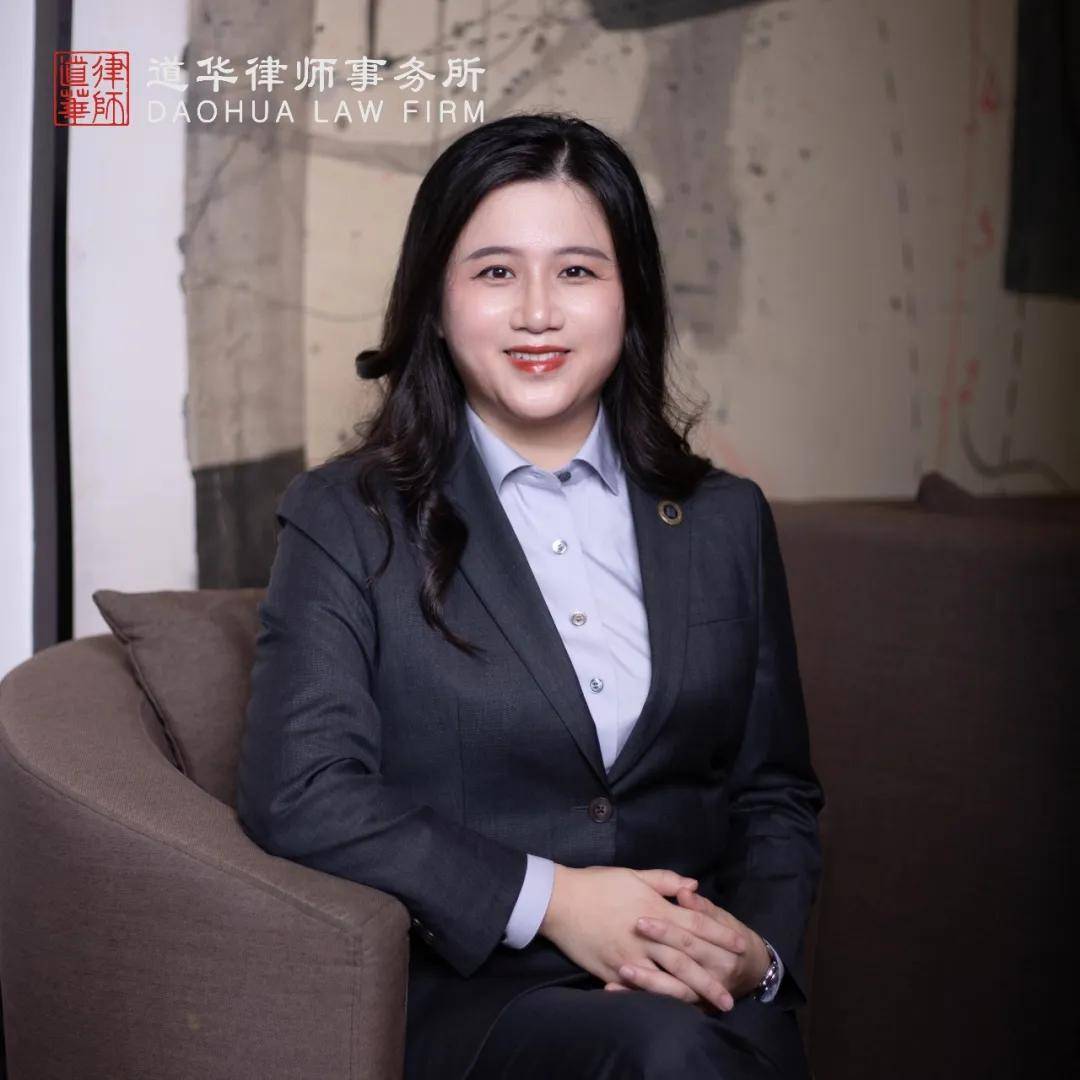
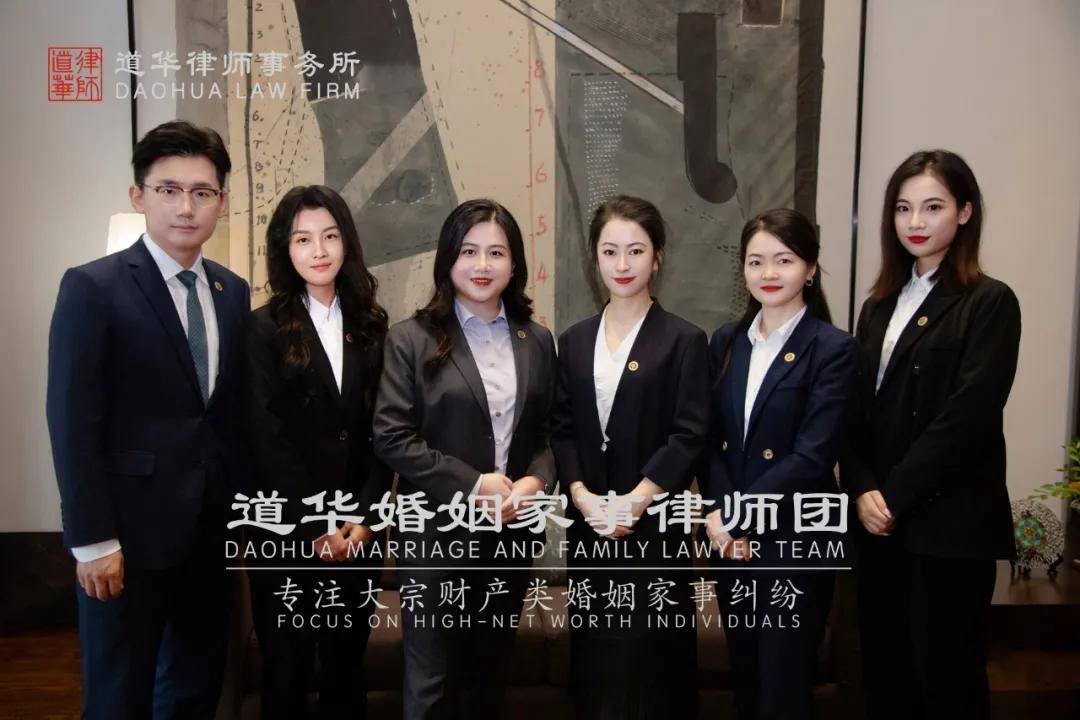
The Daohua Family and Marriage Law Firm (Guangdong Daohua Law Firm), with ten years of focus on high-value property family and marriage law services, is an expert in practical experience in divorce inheritance family disputes (mediation/suit). It is one of the influential brands of professional legal services in the Guangdong Greater Bay Area [Shenzhen local], and is also a benchmark lawyer team in the field of cross-border divorce inheritance mediation and litigation.
The Tang Yunhong Law Firm has handled more than 1,000 cases of marriage inheritance, with a total amount of tens of billions of yuan. It has rich successful trial experience in the fields of corporate equity, Shenzhen small property rights houses, land, factories, and other high-value property divorce division, inheritance disputes litigation, will drafting and family property inheritance. It is particularly good at dealing with industry difficult and painful points such as cross-border and cross-border property divorce litigation, inheritance lawsuits, and other disputes. It overcomes various complex family property disputes with local operational wisdom and wins high praise and industry reputation from customers.
Adhering to the concept of "safeguarding property security, preventing legal risks, and empowering wealth appreciation," we gather experts from the legal, banking, insurance, and tax industries, and provide a one-stop solution for marriage, family, and wealth inheritance for high-net-worth individuals (including Hong Kong, Macau, and foreign nationals) with rich experience in civil and commercial litigation and arbitration, civil and criminal cross-border, tax planning, etc. To achieve the beautiful vision of risk prevention, debt isolation, and family wealth inheritance.
The types of assets cover: real estate (residential houses, small property rights houses, land, factories, etc.), movable property (vehicles, antiques and paintings, gold and jewelry, etc.), and various property rights (cash deposits, equity, debts, relocation compensation, fund investment, virtual property, intellectual property rights, etc.). The team systematically compiles "Daohua Marriage Inheritance Successful Case Compilation" and "Legal Practice of Family Wealth Inheritance" and other professional achievements, and protects the property rights of customers with the ultimate professionalism, and safeguards the inheritance of family wealth with meticulous service!
Statement:The information or articles published on this website are for exchange purposes only. The names of individuals/companies mentioned in this article are pseudonyms, and the amounts/dates of the case information have been processed for confidentiality. The content of the article is created by the author and does not represent legal opinions or suggestions issued by Guangdong Daohua Law Firm or other lawyers. The information contained in this article is provided as general information only, and Guangdong Daohua Law Firm does not make any timely modifications or updates to this article. The reader is solely responsible for any decisions made based on all or part of the content of this article and the consequences thereof. The author and Guangdong Daohua Law Firm shall not be held liable. If any content of this article is to be reproduced or cited, please indicate the source. If you need legal advice or legal services, please contact our lawyers.
No registration required, quick appointment, expert lawyers provide customized legal service solutions
 Consultation Appointment:400-829-6880
 Private Space:18126123723
 Law Firm: Guangdong Daohua Law Firm
 Email:DAOHUALAWMF@163.com
 Address:810, Rongchao Economic & Trade Center, 4028 Jintian Road, Futian District, Shenzhen (Next to Civic Center)

18126123723
Follow us anytime, anywhere


