
Navigation
Author: Dao Hua Marriage and Family Law FirmDate: 2026-06-26Reads:times
Marriage and Family Affairs Dispute (Mediation/Litigation) Practical Expert
Ten years of focus on; marriage and family legal services for bulk property matters
Guangdong Dao Hua Law Firm, Dao Hua Marriage and Family Law Team, Tang Yunhong Lawyer, Top Ten Divorce Lawyers in Shenzhen, Top Ten Inheritance Lawyers, Professional Divorce and Inheritance Litigation Lawyers in the Guangdong-Hong Kong-Macau Greater Bay Area, Renowned Lawyers for Large Family Properties, Numerous Successful Case Wins, Particularly Skilled in Handling: difficult property division/court litigation, listed company equity/fund/share division, real estate, Shenzhen small property rights houses/farmer houses, land, factories, virtual currency assets, Hong Kong divorce property division, marital/divorce property agreements, tax planning, debt isolation, divorce property transfer, cross-border inheritance, will notarization, will/inheritance disputes litigation, will drafting and validity determination, old city renovation and demolition, civil and criminal overlap, cross-border collaboration, etc. Service Areas: Guangdong, Shenzhen, Futian, Hong Kong, Macau, Overseas, Guangzhou, Zhongshan, Zhuhai, Foshan, Huizhou, Dongguan.

One, Case Review
Jiang Mou and Wang Mou registered their marriage in 2009. Jiang Mou was remarried and brought her son from her previous marriage to live with her husband. Wang Mou was often away from home, contracting construction projects, so Jiang Mou took care of the child and managed all the household chores alone. In her spare time, she helped out at the construction site for free, cooking and handling odd jobs, without receiving any labor compensation throughout the process.
A long-term separation, domestic trivialities, and financial issues led to the continuous accumulation of conflicts between the two, resulting in constant disputes. From 2018 to 2019, Wang Liang filed for divorce with the court three times. After each filing, the couple briefly negotiated and reconciled, and Wang Liang withdrew the lawsuit. However, the root of the conflict was not eliminated, and the marital relationship remained tense. In 2021, Wang Liang again filed for divorce, and during the trial, Jiang Liang agreed to the divorce, claiming to have independently borne the family responsibilities for many years, assisted the male party in running the business, and demanded compensation for domestic labor. He also requested the division of the couple's joint property and joint debts, with the two holding different opinions and having huge differences, leading to the case being brought to court.
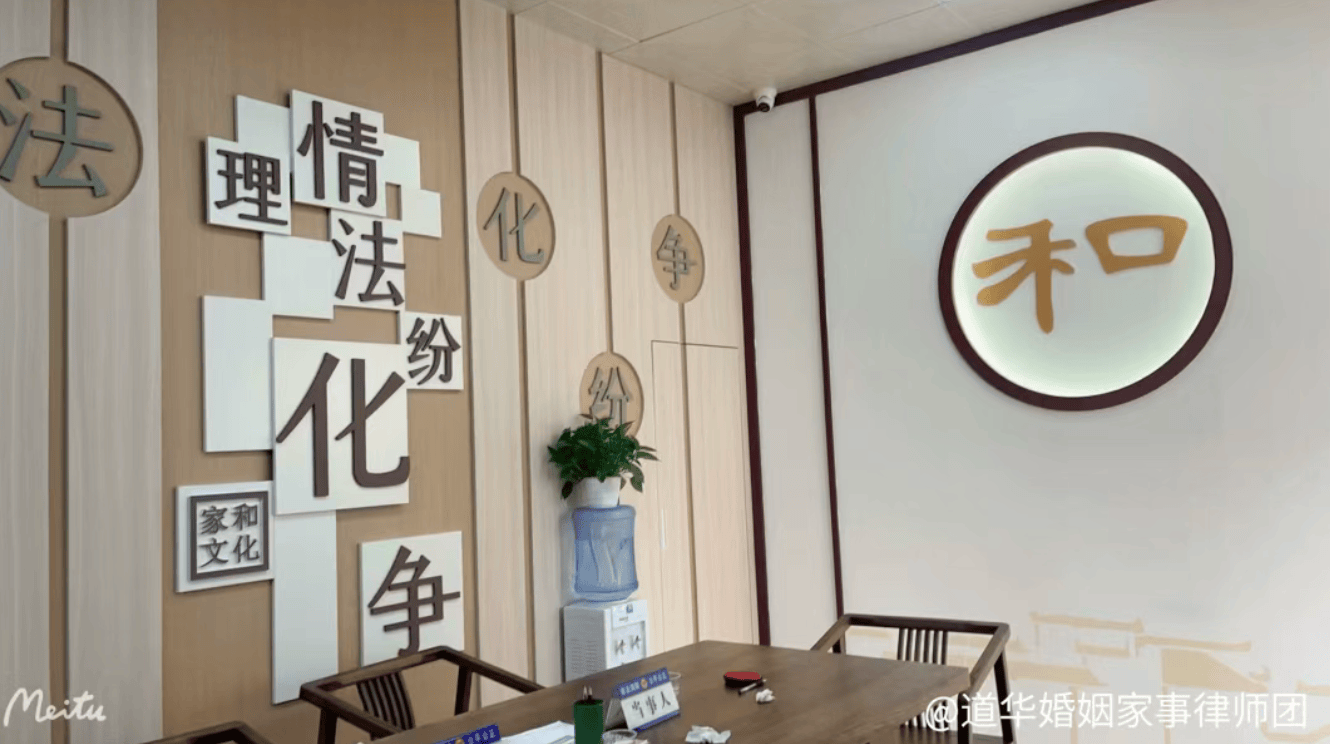
Case outcome
The court thoroughly investigated the facts of the couple's years of separation and disputes, multiple lawsuits that still could not resolve the estrangement, and determined that their marital feelings had indeed broken down, and granted the divorce in accordance with the law. Considering the woman's long-term lack of stable income, her sole upbringing of stepchildren, her free assistance to the man in managing construction sites, and her years of personal career sacrifice, and referring to the local daily consumption level and the man's business income level, according to Article 1088 of the Civil Code, the court reasonably ordered Wang Li to pay a domestic labor compensation of 57,600 yuan to Jiang Mou. For the joint property accumulated during the marriage, such as savings and business income, the court fairly divided it in accordance with the principle of caring for the child-rearing party; the joint debts formed by external loans during the marriage were also disposed of in a manner of equal enjoyment and individual collection.
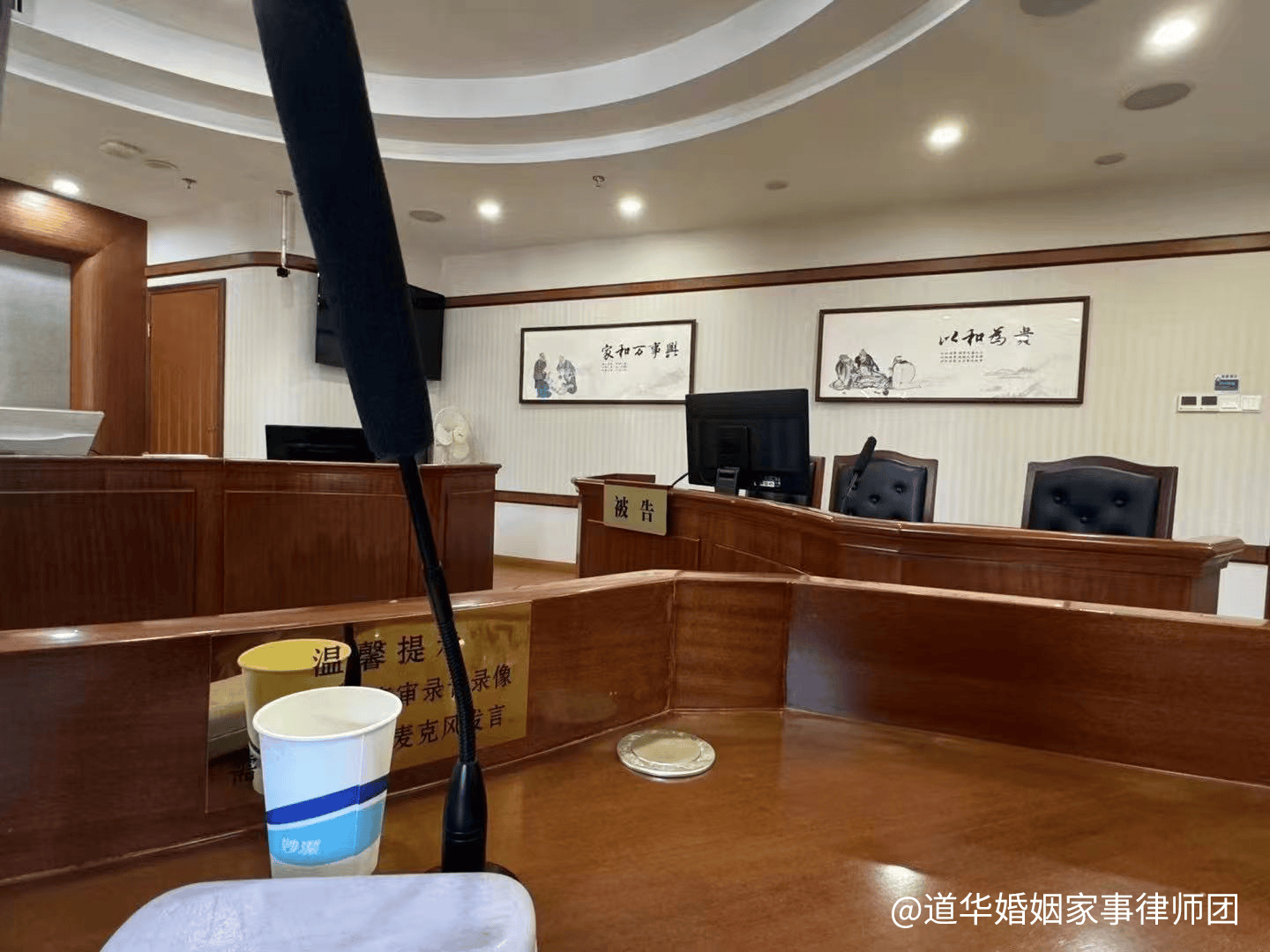
Chapter 3: Experience in Handling Cases
(1) Dao Hua lawyer believes
In practice, many parties have two typical misunderstandings about this legal provision. The first misunderstanding is that the public generally understands the scope of "raising children" in the provision in a narrow sense, believing that only children jointly born by the couple can claim compensation for child care. However, from the perspective of uniform judicial standards in similar cases, the care of a spouse's child from a previous marriage also meets the compensation situations stipulated by the provision. The second misunderstanding is that many people simply think that if they have been taking care of the household for a long time, they can get a high compensation upon divorce. In fact, the court will not only determine the amount of compensation based on the length of time spent at home, but will make a judgment based on various objective situations.
In practice, many parties have two typical misunderstandings about this clause. Some people believe that only if the couple has children together, they can claim compensation based on this clause, but the judicial criteria are unified, and the labor paid by one party for caring for the stepchildren brought by the spouse before marriage also meets the compensation situations listed in the law. There are also some parties who believe that as long as they live at home for a long time, they will necessarily receive high compensation. In fact, the court will not simply support large claims based on the duration of living at home but will balance and decide based on multiple objective facts.
The court determines the compensation amount by referring to the provisions of judicial interpretations, comprehensively weighing multiple objective elements as a whole, with the focus including the duration of the marriage, the extent of effort in caring for the family and raising children, the degree of career sacrifice of the party claiming compensation, the economic income of the party paying the compensation, and the local daily consumption level, among other aspects. At the same time, such claims require complete evidence support. If the parties only make oral statements about their household responsibilities without providing relevant evidence of child-rearing, caring for family members, or assisting the other party's work, or if the couple divide household chores and child-rearing equally, and cannot prove that one party bears a significantly greater burden, the court usually will not support the claim for household compensation. Additionally, the claim for household compensation must be raised concurrently in the divorce lawsuit. If the court ultimately determines that the couple's feelings have not been broken and the judgment is to not grant a divorce, this claim will not be considered separately.
In this case, the female party has had no independent source of income for many years, has raised her stepchildren alone, and has also provided long-term free assistance to the male party in managing the construction site, with multiple heavy contributions accumulating. This is the core factual basis for the court's consideration of a higher compensation amount. If the duration of the marriage is short, the parties are solely caring for children, or the economic conditions of the party undertaking the compensation obligation are poor, the compensation amount determined by the court will usually be correspondingly reduced. A comprehensive analysis of a large number of similar effective judgments shows that the court makes judgments related to domestic compensation in strict accordance with relevant provisions and judicial interpretations, combining the objective facts of the parties' domestic contributions, family economic conditions, and the duration of the marriage, recognizing the hidden value contained in domestic labor, while also taking into account the actual economic bearing capacity of both parties, and reasonably balancing legal principles and emotional considerations.
(2) Daohua Lawyer Reminds
To smoothly obtain domestic compensation, the evidence collection process is crucial, and the "who claims, who proves" evidence rule applies in litigation. Parties should pay attention to retaining various relevant materials in their daily lives: child care records, daily household expenditure receipts, etc. If there is assistance to the spouse's work or business, communication chat records and relevant proof of participation in labor can be saved; if the decision to quit work to care for the family is proactive, the certificate of resignation and relevant materials on income loss also need to be properly kept. Only by organizing a complete evidence chain can one avoid the situation where the claim is not supported by the court solely based on oral statements.
When making a claim for compensation to the court, the parties should not blindly propose an excessively high compensation amount. For claims that are obviously out of line with the facts of the case, the court will adjust the amount according to the case facts. If the parties agree to divorce through a mutual divorce agreement, they may also specify the specific amount of domestic compensation in the divorce agreement. This written agreement is legally valid, and after the fact, one party cannot change or overturn the original agreement solely based on oral regret.
Domestic cases involve a certain degree of discretion in judgment, and the amount of domestic work contributed by one party and the sufficiency of evidence will directly affect the final compensation amount. Ordinary parties find it difficult to independently collect complete evidence and accurately predict the scope of the court's judgment. The Daohua Family Law and Domestic Lawyer Team has long handled disputes related to domestic compensation and property division between spouses, is familiar with the standards of judgment in various courts, and can sort out all evidence materials for individual cases, formulate reasonable claims, and comprehensively safeguard the legitimate rights and interests of the party that has long undertaken domestic labor.
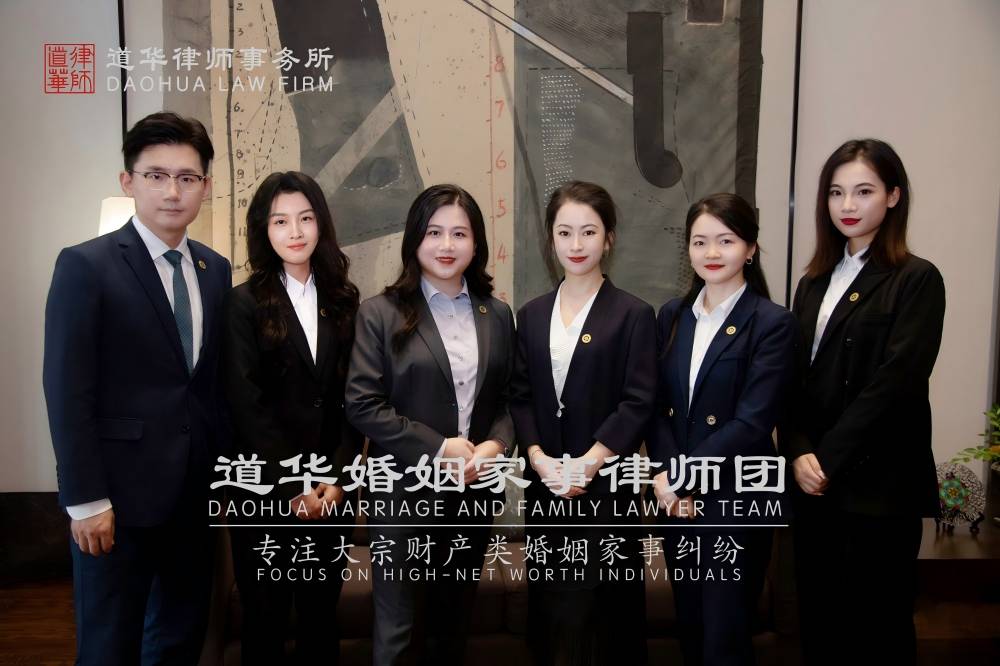
Daohua Family Law Firm (Guangdong Daohua Law Firm), with ten years of focus on major property, marriage, and family legal services, divorce inheritance family disputes (mediation/trial) practical experts, one of the influential brands of professional legal services in the Guangdong-Hong Kong-Macau Greater Bay Area [Shenzhen local], and even a benchmark lawyer team for mediation and trial in the renowned cross-border divorce inheritance field.
The Tang Yunhong Law Firm has handled over 1000 cases related to marriage and inheritance, involving tens of billions of yuan in amounts. The firm has extensive successful litigation experience in the fields of dispute resolution for the division of large properties such as listed company equity, Shenzhen small property rights houses, land, and factories, as well as inheritance disputes, will drafting, and family property inheritance. It is particularly skilled in handling cross-border and cross-jurisdictional divorce lawsuits involving property, inheritance lawsuits, and other industry difficult issues. The firm uses localized legal wisdom to overcome various complex family property disputes, winning high praise from clients and industry reputation.
Adhering to the philosophy of "securing property safety, preventing legal risks, and empowering wealth appreciation," we gather experts from industries such as law, banking, insurance, and finance and taxation. With rich experience in civil and commercial litigation and arbitration, as well as civil and criminal crossover and tax planning, we provide a comprehensive package of solutions for high-net-worth individuals (including those from Hong Kong, Macau, and foreign nationals) for marriage, family affairs, and wealth inheritance, to achieve the beautiful vision of risk prevention and control, debt isolation, and family wealth inheritance.
Asset types cover: real estate (residential properties, small property rights houses, land, factories, etc.), movable property (vehicles, antiques, paintings, gold jewelry, etc.), various property rights (cash deposits, equity, debts, relocation compensation, fund investments, virtual property, intellectual property rights, etc.). The team systematically compiles professional achievements such as "Compilation of Successful Cases of Dao Hua Marriage and Inheritance" and "Legal Practice of Family Wealth Transmission", to meticulously protect clients' property rights and interests, and to safeguard the inheritance of family wealth with meticulous service!
Statement:The information or articles published on this website are for exchange purposes only. The names of individuals/companies mentioned in this article are pseudonyms, and the amounts/dates of the case information have been processed for confidentiality. The content of the article is created by the author and does not represent legal opinions or suggestions issued by Guangdong Daohua Law Firm or other lawyers. The information contained in this article is provided for general information purposes only, and Guangdong Daohua Law Firm is not responsible for making timely modifications or updates to this article. Decisions made by readers based on all or part of the content of this article and the consequences arising therefrom are solely the responsibility of the individuals involved. The author and Guangdong Daohua Law Firm assume no responsibility. If any content of these articles is to be reproduced or cited, please indicate the source. If you need legal advice or legal services, please contact our lawyers.
No registration required, quick appointment, expert lawyers provide customized legal service solutions
 Consultation Appointment:400-829-6880
 Private Space:18126123723
 Law Firm: Guangdong Daohua Law Firm
 Email:DAOHUALAWMF@163.com
 Address:810, Rongchao Economic & Trade Center, 4028 Jintian Road, Futian District, Shenzhen (Next to Civic Center)

18126123723
Follow us anytime, anywhere


