
Navigation
Author: Dao Hua Marriage and Family Law FirmDate: 2026-06-02Reads:times
Practical Expert in Marriage and Family Affairs Dispute (Mediation/Litigation)
Ten years of focus on; marriage and family legal services for bulk property matters
Guangdong Dao Hua Law Firm, Dao Hua Marriage and Family Law Team, Tang Yunhong Lawyer, Top Ten Divorce Lawyers in Shenzhen, Top Ten Inheritance Lawyers, Professional Divorce and Inheritance Litigation Lawyers in the Guangdong-Hong Kong-Macau Greater Bay Area, Famous lawyers for large family properties, numerous successful cases, especially skilled in handling: difficult property division/court litigation, listed company equity/fund/share division, real estate, Shenzhen small property rights houses/farmer houses, land, factories, virtual currency assets, Hong Kong divorce property division, marital/divorce property agreements, tax planning, debt isolation, divorce property transfer, cross-border inheritance, will notarization, will/inheritance disputes litigation, will drafting and validity determination, old city renovation and demolition, civil and criminal overlap, cross-border collaboration, etc. Service areas: Guangdong, Shenzhen, Futian, Hong Kong, Macau, overseas, Guangzhou, Zhongshan, Zhuhai, Foshan, Huizhou, Dongguan.

One, Case Review
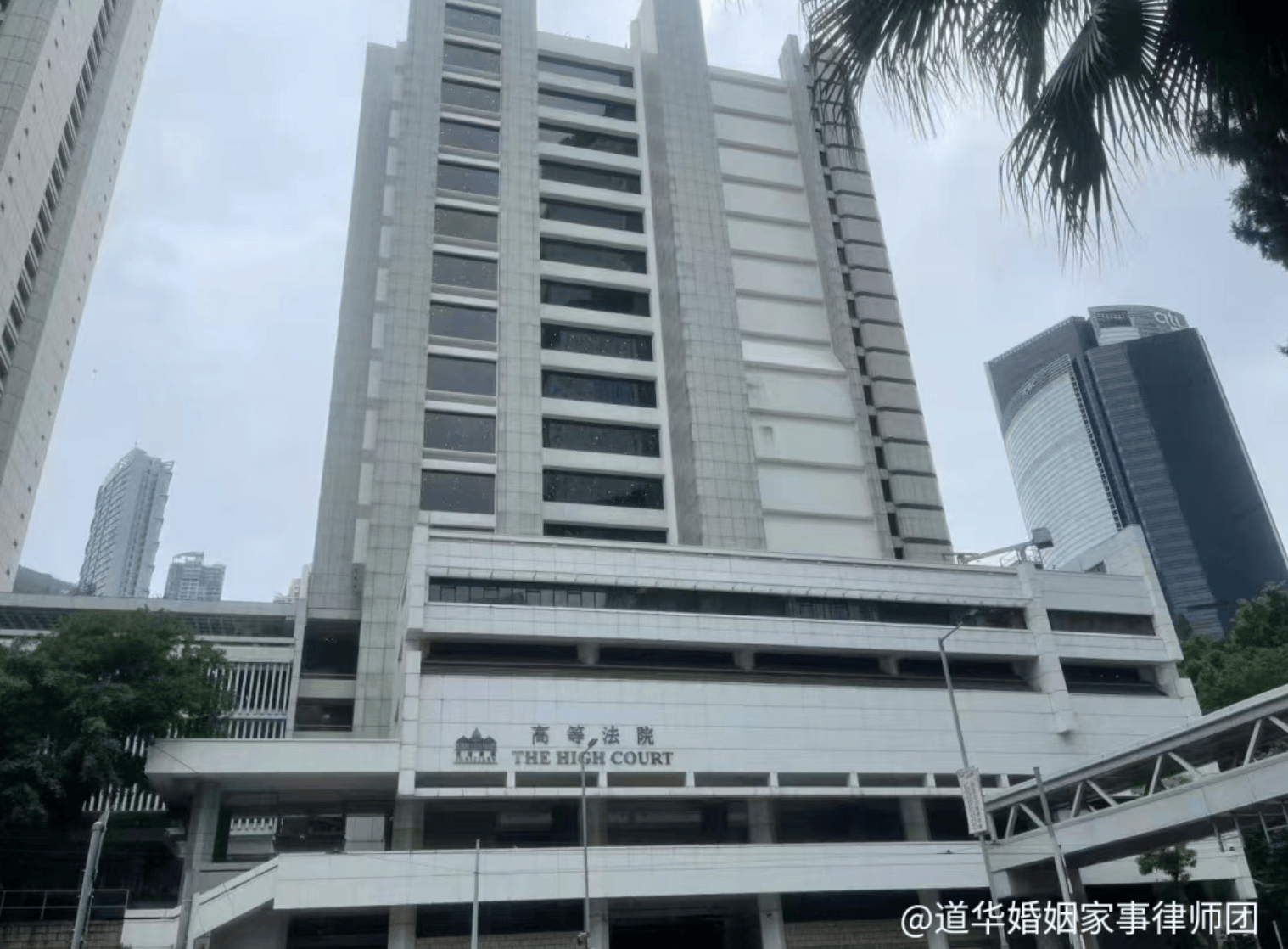
Chen Mou and Zhang Moujia were formerly married, and their divorce was granted by the District Court of the Hong Kong Special Administrative Region on June 21, 2013. In the effective divorce judgment, the Hong Kong court has made a division and disposition of the multiple properties in Hong Kong owned by both parties, as well as the child support and alimony. It has also explicitly ordered Zhang Moujia to transfer the property rights of a certain community in Shenzhen he holds to the names of the four children, to be jointly owned by the four children.
Due to policy restrictions on transferring the mainland property involved in the case directly to the children's names, Zhang Zhangjia failed to fulfill the obligation of transfer as stipulated by the Hong Kong divorce judgment. Chen, citing the authorization of the four children to claim rights, filed a post-divorce property dispute lawsuit in the mainland court, requesting the confirmation of ownership of the property and the division of the proceeds from the sold Huaying commercial shops. Zhang Zhangjia claims that the property involved in the case is the joint property of the couple and requests a redivision of the property in the mainland court. [Case number: (2015) Shenzhong Faminzhong No. 535]
Case Result
The first-instance court determined that the Shenzhen property involved is the joint property of the couple, did not adopt the Hong Kong divorce judgment's provisions regarding the gift to the children, divided the house by floor, and rejected Chen's request for the division of the Huaying commercial property.
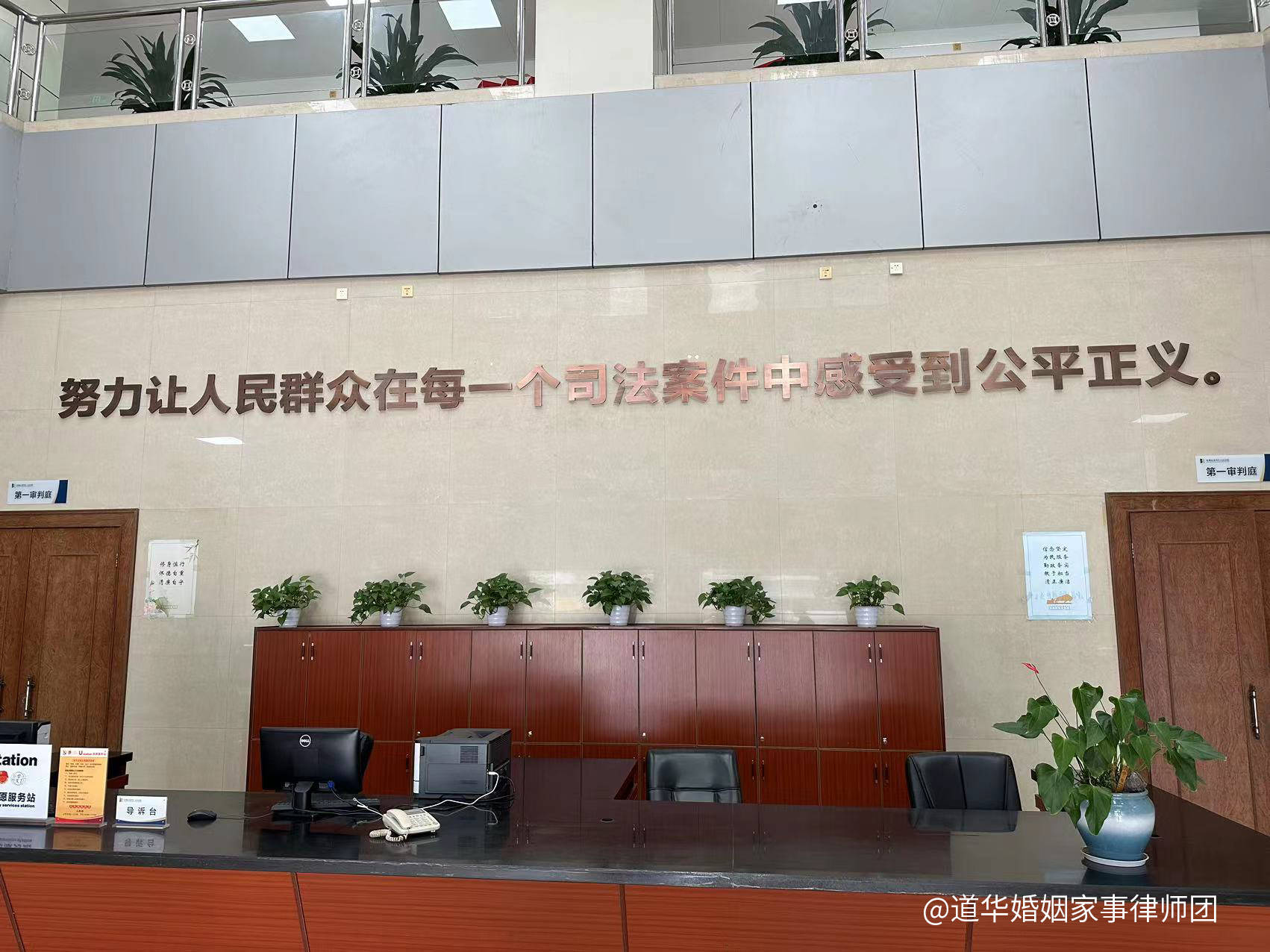
Chen Ren appealed against the first-instance judgment. The Intermediate People's Court of Shenzhen, in the second-instance trial, held that the property disposition agreement reached by both parties in the divorce procedure in Hong Kong was a genuine expression of intent for the dissolution of the marriage relationship and the protection of the children's interests. According to Article 8 of the Interpretation (II) of the Supreme People's Court on Certain Issues Concerning the Application of the Marriage Law of the People's Republic of China (now repealed, corresponding rules incorporated into the Interpretation of the Civil Code on Marriage and Family), the clauses in the divorce agreement concerning the division of property are legally binding on both parties and may not be revoked or amended without legal reasons. The case-related property has been agreed to be owned by the children, and the couple has no right to divide it again. The second-instance court then overturned the first-instance judgment, rejected all of Chen Ren's claims, and confirmed that the case-related property should be transferred to the children in accordance with the Hong Kong divorce agreement.
Three, insights from law enforcement
(1) Dao Hua lawyer believes
This case is a typical one in Shenzhen involving divorce disputes over Hong Kong-related issues and the division of mainland immovable property, with clear judgment logic and rigorous legal application, which has significant practical guidance value for handling the disposition of mainland property after cross-border marriage divorce.
Pursuant to Article 8 of the Interpretation (II) of the Supreme People's Court on Certain Issues Concerning the Application of the Marriage Law of the People's Republic of China (which has been repealed, and the corresponding rules have been incorporated into the Interpretation of the Marriage and Family Article of the Civil Code), clauses in a divorce agreement concerning the division of property, or agreements reached by the parties regarding the division of property due to divorce, are legally binding on both parties. In this case, the parties had reached a clear agreement on the disposition of the Shenzhen property involved when they divorced in the Hong Kong court, stipulating that it be jointly owned by the four children. This agreement is a true expression of the parties' intentions, and its content does not violate mandatory provisions of laws or administrative regulations, and is legally valid. Whether the Hong Kong divorce judgment is recognized and enforced in mainland China does not affect the validity of the agreement on the disposition of the property itself.
In terms of legal nature, the agreement between the couple to gift their jointly-owned property to their children in the divorce agreement is a gift with identity attributes and moral obligations. The marriage relationship has been dissolved, and the main purpose of the divorce agreement has been achieved. The gift clause may not be revoked unilaterally by law. Zhang Zhangjia regretted the decision years after the divorce and requested a redivision of the property, which goes against the principle of honesty and lacks legal basis; it should not be supported.
At the same time, domestic courts have exclusive jurisdiction over real property disputes in accordance with the law, but the jurisdiction rules do not negate the legally valid property agreements reached by the parties. For property that has been sold during the marriage, the proceeds used for joint living, and not disputed at the time of divorce, the court will not support the parties' subsequent claim for division.
(2) Daohua Lawyer Reminds
When handling property disposal such as mainland real estate, equity, and deposits during the divorce of a Hong Kong marriage, disputes are likely to arise due to differences in legal systems between the two places. When parties sign a divorce agreement in Hong Kong or when a judgment is made by a Hong Kong court, they should make clear, specific, and enforceable agreements regarding the ownership, transfer, and performance methods of mainland immovable property, to avoid subsequent disputes caused by ambiguous expressions.
The division clause concerning mainland real estate in Hong Kong divorce agreements, as long as it is a true expression of the parties' intentions, does not violate the mandatory provisions of mainland law, and does not harm the legitimate rights and interests of third parties, is generally recognized as valid in mainland court proceedings, has legal binding force on both parties, and the parties shall perform according to the agreement and shall not unilaterally withdraw or refuse to perform.
Transferring joint property of the couple to their children is a common arrangement in Hong Kong family disputes. Such agreements, once written into the divorce agreement and confirmed by the court, are legally binding. The failure to transfer the property in a timely manner does not affect the validity of the agreement, and neither party has the right to claim for division or to dispose of it arbitrarily. The parties should properly keep the divorce judgment, agreement, notarization documents, and other evidence, in order to safeguard their and their children's legitimate rights and interests when handling related disputes in mainland courts.
The application of laws in cross-border divorce cases involving Hong Kong and property division in mainland China is complex and requires professional procedures. The Daohua Family Law Firm has long been dedicated to the field of cross-border family law, familiar with the rules of legal connection between Hong Kong and mainland China as well as the judicial standards of Shenzhen courts. It excels in handling difficult cases such as the recognition of the validity of Hong Kong divorce agreements, division of mainland property, and protection of children's property rights. It can provide professional and efficient legal solutions for parties involved in cross-border marriages, securely safeguarding property rights and family order.
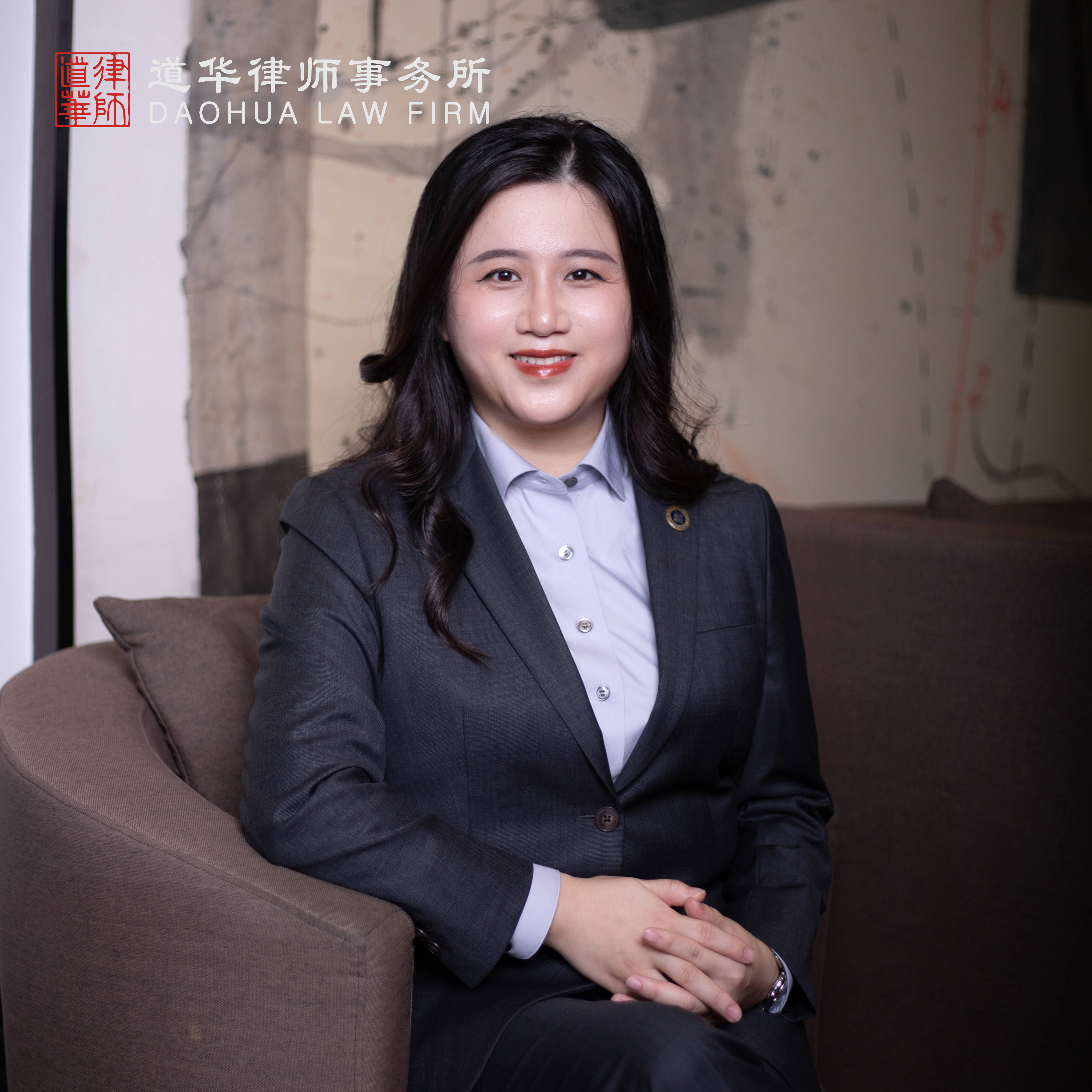
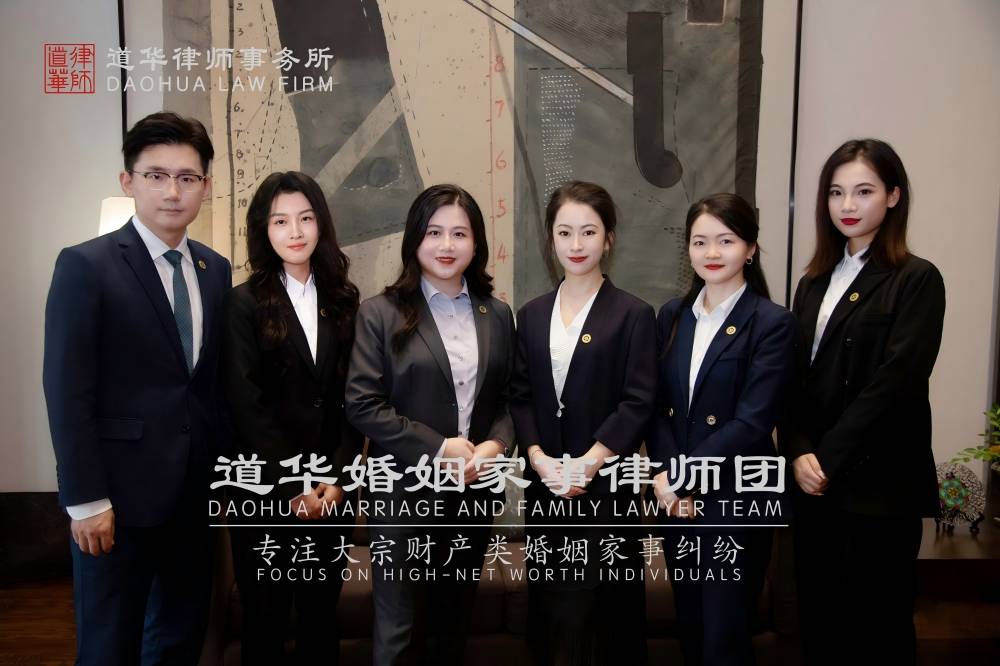
Daohua Family Law Firm (Guangdong Daohua Law Firm), with ten years of focus on major property marriage and family legal services, divorce inheritance family disputes (mediation/trial) practical experts, one of the influential brands of professional legal services in the Guangdong-Hong Kong-Macau Greater Bay Area [Shenzhen local], and even a benchmark lawyer team for mediation and trial in the well-known cross-border divorce inheritance field.
The Tang Yunhong Law Firm has handled over 1000 cases related to marriage and inheritance, involving tens of billions of yuan in amounts. The firm has a wealth of successful trial cases in the fields of dispute resolution, including divorce and division of large properties such as listed company equity, Shenzhen small property rights houses, land, and factories, as well as inheritance disputes, will drafting, and family property inheritance. It is particularly skilled in dealing with industry difficult and painful points such as cross-border property divorce lawsuits and inheritance lawsuits, using localized case-handling wisdom to overcome various complex domestic property disputes, winning high praise from clients and industry reputation.
Adhering to the philosophy of "securing property safety, preventing legal risks, and empowering wealth growth," we gather experts from industries such as law, banking, insurance, and finance and taxation. With rich experience in civil and commercial litigation and arbitration, as well as civil and criminal crossover and tax planning, we provide a comprehensive package of solutions for high-net-worth individuals (including those from Hong Kong, Macau, and foreign nationals) in marriage, family affairs, and wealth inheritance. This aims to achieve the beautiful vision of risk prevention and control, debt isolation, and family wealth inheritance.
Asset types cover: real estate (residential properties, small property rights houses, land, factories, etc.), movable property (vehicles, antiques, paintings, gold jewelry, etc.), various property rights (cash deposits, equity, debts, relocation compensation, fund investments, virtual property, intellectual property rights, etc.). The team systematically compiles professional achievements such as "Compilation of Successful Cases of Dao Hua Marriage and Inheritance" and "Legal Practice of Family Wealth Transmission", to meticulously protect clients' property rights and interests, and to safeguard the inheritance of family wealth with meticulous service!
Statement:The information or articles published on this website are for exchange purposes only. The names of individuals/companies mentioned in this article are pseudonyms, and the amounts/dates of the case information have been processed for confidentiality. The content of the article is created by the author and does not represent legal opinions or suggestions issued by Guangdong Daohua Law Firm or other lawyers. The information contained in this article is provided for general information purposes only, and Guangdong Daohua Law Firm is not responsible for making timely modifications or updates to this article. Decisions made by readers based on all or part of the content of this article and the consequences arising therefrom are solely the responsibility of the individuals involved. The author and Guangdong Daohua Law Firm assume no responsibility. If any content of these articles is to be reproduced or cited, please indicate the source. If you need legal opinions or legal services, please contact our lawyers.
No registration required, quick appointment, expert lawyers provide customized legal service solutions
 Consultation Appointment:400-829-6880
 Private Space:18126123723
 Law Firm: Guangdong Daohua Law Firm
 Email:DAOHUALAWMF@163.com
 Address:810, Rongchao Economic & Trade Center, 4028 Jintian Road, Futian District, Shenzhen (Next to Civic Center)

18126123723
Follow us anytime, anywhere


