
Navigation
Author: Dao Hua Marriage and Family Law FirmDate: 2026-05-19Reads:times
Practical Expert in Marriage and Family Affairs Dispute (Mediation/Litigation)
Ten years of focus on; marriage and family legal services for bulk property matters
Guangdong Dao Hua Law Firm, Dao Hua Marriage and Family Law Team, Tang Yunhong Lawyer, Top Ten Divorce Lawyers in Shenzhen, Top Ten Inheritance Lawyers, Professional Divorce and Inheritance Litigation Lawyers in the Guangdong-Hong Kong-Macau Greater Bay Area, Renowned Lawyers for Large Family Properties, Numerous Successful Case Wins, Particularly Skilled in Handling: difficult property division/court litigation, listed company equity/fund/share division, real estate, Shenzhen small property rights houses/farmer houses, land, factories, virtual currency assets, Hong Kong divorce property division, marital/divorce property agreements, tax planning, debt isolation, divorce property transfer, cross-border inheritance, will notarization, will/inheritance disputes litigation, will drafting and validity determination, old city renovation and demolition, civil and criminal overlap, cross-border collaboration, etc. Service Areas: Guangdong, Shenzhen, Futian, Hong Kong, Macau, Overseas, Guangzhou, Zhongshan, Zhuhai, Foshan, Huizhou, Dongguan.

Abstract:In marriage property planning disputes in the Shenzhen area, it is not uncommon for one spouse to hope to clarify the property ownership but be rebuffed by the other party. If not handled properly, the family assets may face the risk of being concealed or transferred. In 2026, the Dahuawu Marriage and Family Law Firm was entrusted by Ms. Jiang to develop a "Marriage Property Agreement" plan for her core assets (multiple properties, company shares, large stocks), aiming to lock in the property rights of the female party and her children through the agreement. In the subsequent negotiations, although Mr. Cai, the male party, refused to sign the agreement in full, the Dahuawu lawyers promptly adjusted their strategy, guiding the female party to adopt a flexible approach of "negotiating to fulfill, and receiving payments step by step." Ultimately, without initiating litigation or destroying the marital relationship, they successfully prompted the male party to transfer a core property to the names of the couple's offspring first, and transferred the corresponding price of the large stocks to the female party's name, while allowing the female party to actually control the business rights of the companies under both parties' names. The successful resolution of this case reflects the "strategy first, flexible adaptation" service ability of the lawyer team, even if the agreement was not signed in full, it is still possible to help the parties lock in core assets and retain subsequent rights through phased performance. (The names and property information in this article are all pseudonyms.)
Keywords:Marital Property Agreement, Non-litigation Negotiation, Dao Hua Marriage and Family Law Firm
One, Case Review
Madam Jiang and Mr. Cai were registered as married in Shenzhen in 2008, and after marriage, they jointly had a son. Over the years of marriage, Mr. Cai accumulated property worth tens of millions of yuan under his name, including two properties in Shenzhen, equity in a company, and a large amount of stocks and securities.
In 2026, Ms. Jiang encountered a crisis in her marriage, hesitated about whether to divorce, and sought help from the Dao Hua Family Law Firm after being recommended to safeguard her and her children's long-term interests. After accepting theentrustment, the Dao Hua legal team fully analyzed Ms. Jiang's marital status and property structure and suggested not to rush into a divorce but instead to first lock in the core family assets by signing a marital property agreement. To this end, the legal team formulated a "Marital Property Agreement" plan and accompanying negotiation tactics for Ms. Jiang, agreeing to transfer the core real estate and most stocks and equity to the female party and the married son, and guiding Ms. Jiang on how to communicate with Mr. Cai. However, based on this strategy, Ms. Jiang negotiated with Mr. Cai multiple times, but at the signing site of the agreement, Mr. Cai consistently refused to cooperate with the core clauses (especially the high proportion distribution) and refused to sign the agreement in full. Both parties were at an impasse, with Ms. Jiang worried about the male party transferring assets and unwilling to file a lawsuit impulsively, which could lead to the complete breakdown of the marriage, and the negotiation was once difficult to advance.

Two, focal points of the dispute
1. Property claims under the continuation of a marital relationship
Article 1065 of the Civil Code of the People's Republic of China stipulates that both husband and wife may agree on the ownership of marital property, but such an agreement must be reached voluntarily by both parties, and neither party may force the other. In this case, Ms. Jiang hopes to lock in the core family assets through a written agreement while maintaining the marriage. However, her direct demand for "the female party to hold 70% of the stocks and 70% of the equity" is easily interpreted by the male party as "distrust" or "preparation for divorce," thus triggering his resistance and even accelerating the transfer of property. If the lawyer cannot design negotiation tactics and ways of presenting the demands that both protect the female party's rights and interests and do not make the male party feel "cheated," then the female party's demands may either be directly refused or lead to the deterioration of the marital relationship, even prompting the male party to take preemptive action to transfer property.
2. The proportion of property share claimed by the female party
Article 1062 of the Civil Code of the People's Republic of China stipulates that both parties to a marriage have equal rights to dispose of joint property, but "equality" does not necessarily mean "half and half," and the specific proportion needs to be determined comprehensively based on factors such as contribution to investment, family contributions, and child custody. In this case, the female party directly claims 70% of the stock and equity shares, but this proportion lacks a clear legal quantitative standard. If the lawyer cannot find sufficient factual evidence ("70%" as the case may be, such as the female party's actual control over the company's operations, the male party's fault, etc.) or a reasonable negotiation support point, then the male party can completely refuse with the argument that "half and half is fair," and the female party also finds it difficult to obtain 70% through litigation (the court usually tends to favor half or 60/40). Therefore, how to determine a share range that has both legal basis and can be accepted by the male party is the core difficulty in the initial stage of this case.
3. Breakthrough of the deadlock in the agreement
The Civil Code of the People's Republic of China stipulates that property agreements during marriage must be in written form and signed by both parties to take effect, and any unilateral commitment is not enforceable. In this case, if the lawyer insists on the "all or nothing" approach, the woman will gain nothing. However, if the choice is to give up some difficult clauses and first strive for the property with less resistance from the man, another difficulty arises: the man may regard this part of the performance as the "precondition of the overall agreement" and later regret and demand the return of it. Therefore, how to identify which properties the man is willing to dispose of first, how to use tactics to make the man accept "partial performance" does not mean giving up the remaining rights, and how to fix the legal effectiveness of the already performed part, are the strategic disputes that must be resolved in the early stage of the negotiation.
Chapter 3: The Investigation Process
Fully understand the parties' claims and formulate an individualized property agreement plan.
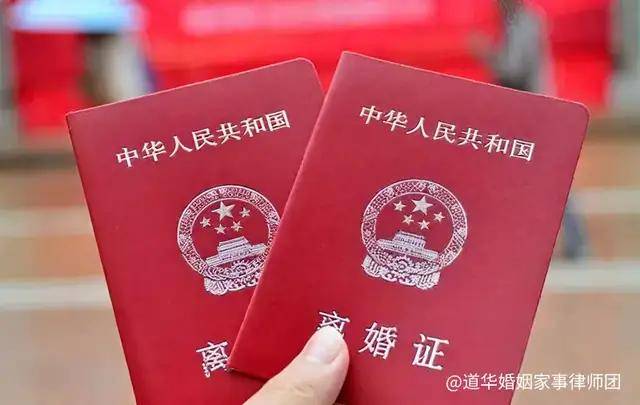
Daohua Family Law Firm, after accepting the commission of Ms. Bao Jiang, communicated deeply with her to comprehensively understand her marital status, family property structure (including two properties, equity in companies, large amounts of stocks and securities, etc.), and core demands. Ms. Jiang hopes to maintain the marital relationship while locking in the core family assets through a marital property agreement to safeguard her and her children's long-term interests. Considering that litigation may exacerbate conflicts and affect marital stability, the Daohua legal team first formulated a non-litigation negotiation strategy:
1. Based on the previous communication between Ms. Jiang and Mr. Cai, analyze the key points where the two parties failed to reach an agreement, provide Ms. Jiang with professional verbal guidance and negotiation strategies, and clarify the core demands and areas for compromise.
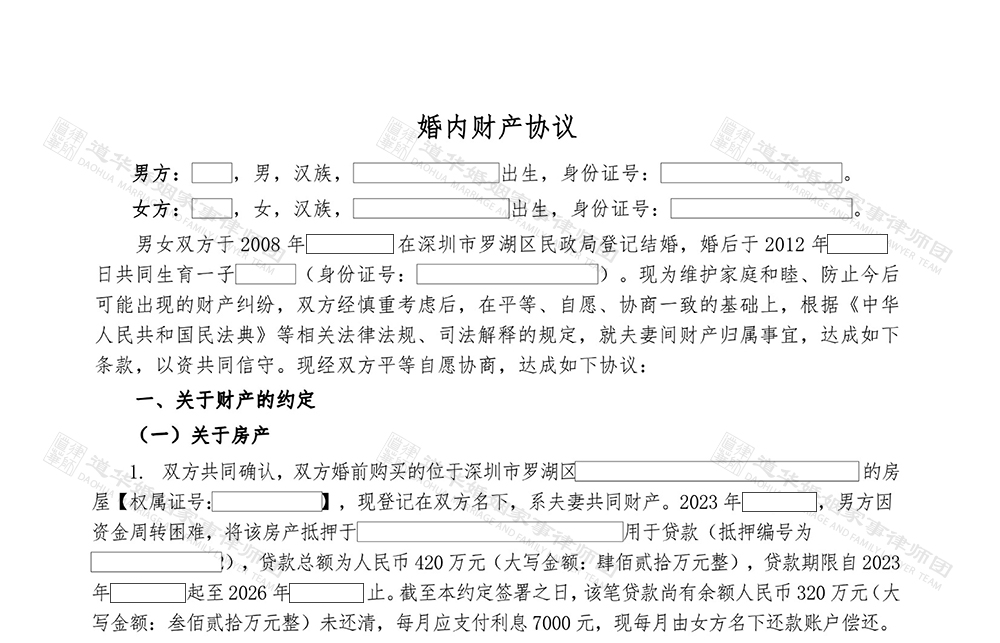
2. To avoid the capriciousness of oral negotiations, the Dao Hua Law Firm team drafted a complete text of the "Marital Property Agreement" in accordance with Ms. Jiang's demands, clearly stipulating that the loan-free property in Yantian District belongs to the children, etc., facilitating the fixation of consensus content during negotiations.
(2) The negotiation of the agreement has reached an impasse, and timely adjustment of strategies is needed to break the deadlock with a "stalling tactic."
In the preliminary negotiations, Mr. Cai was inconsistent in his attitude, refusing to sign the agreement in full, and the two sides were unable to make progress despite multiple negotiations. After analysis, the Dahuawang Marriage and Family Law Firm believes that insisting on all clauses may lead to a complete breakdown of negotiations, even exacerbating conflicts and prompting the male party to transfer assets. Therefore, the Dahuawang legal team promptly adjusted its strategy, guiding Ms. Jiang to abandon the goal of "signing a complete agreement in one go" and instead adopt the approach of "negotiating to implement, and receiving payments step by step": first, to secure Mr. Cai's agreement to implement two items with less resistance and easier implementation — transferring the property without loans into the name of the married son, and transferring the corresponding share of part of the stocks for the purchase price. At the same time, Ms. Jiang continues to have actual control over the company's operational rights, using them as bargaining chips for subsequent negotiations.
(Three) Implement in a strategic step-by-step manner to realize the realization of part of the rights and interests
Under the remote guidance of the Dao Hua team, Madam Jiang and Mr. Cai conducted the final round of negotiations. Madam Jiang no longer insisted on all the terms but focused on "first accomplishing two things." In the end, Mr. Cai agreed and actually cooperated to complete the transfer registration procedures for the property in Yantian District (transferred to the name of the married son), and transferred the corresponding amount of about 40 million yuan for about 10% of the shares under his name to Madam Jiang. Although the complete agreement was not signed, Madam Jiang and the married son have successfully secured the core assets. At the same time, the Dao Hua legal team informed Madam Jiang that she has the space to continue to claim rights over the remaining shares, 70% of the company's equity, and another property with a mortgage, and can initiate legal procedures separately as needed.
Four, Case Outcome
Under the strategic guidance of the legal team, although the parties have not formally signed the "Marital Property Agreement," they have achieved phased implementation results through flexible negotiations, as follows:
1. Mr. Cai agrees that the loan-free property located in Yantian District, Shenzhen shall be solely owned by the couple's married son.
2. A portion of Mr. Cai's stock shares (corresponding to a value of 40 million yuan) have been actually transferred to Ms. Jiang, the female party, and the delivery has been completed.
Although a complete agreement was not signed in this case, the Dao Hua legal team, with their extensive negotiation experience, flexibly adjusted their strategy and successfully helped Madam Jiang and her son secure core assets (property transfer, large-scale stock transfer), achieving "partially securing and retaining a backup," and under the premise of not filing a lawsuit and not destroying the marriage, they maximized the protection of the rights and interests of the female party and her children.
Five, Experience in Handling Cases
In the practice of marital property planning, an agreement is never just a cold assembly of clauses; it uplifts the parties' concerns for the safety of family assets, their guardianship over their children's futures, and is also a clearsorted out of rights within the marriage.
Looking back at Madam Cai's case, it was never brought to court, yet her negotiating skills were evident step by step. The Daohua Family Law Firm has always adhered to prioritizing the client's interests and using flexible strategies to break through, from drafting the agreement, analyzing deadlocks, to adjusting directions and gradually achieving results, every step is based on reality and upholds the bottom line.
The key to property negotiations has never been to force a signature, but rather to sort out the asset clues in advance, solidify the evidence, and ensure that the parties involved always have confidence in the negotiations. Faced with the deadlock where the other party refuses to sign, we did not insist on "one step at a time," but instead used a more practical approach, first securely obtaining the assets that are easy to implement, transfer, and collect, using retreat as a strategy to advance. This not only preserves the dignity of the marriage but also locks in real benefits.
When trust has cracks, it is even more important to understand psychology, be willing to compromise, and have a systematic approach. The Daohua Family Law Firm always believes that marriage can be inclusive, but property must be clear-headed. We not only provide a perfect agreement, but also use our professionalism and experience to help the parties turn the rights on paper into real security in their hands. Pragmatic, flexible, and reliable, these are the core values that the Daohua Family Law Firm has always adhered to in handling cases.
Six, Legal Index
Article 1062 of the Civil Code: The following property acquired by husband and wife during the continuance of their marriage relationship shall be jointly owned by both parties as common property:
(1) Salary, bonuses, remuneration for labor;
(2) Income from production, operation, and investment.
(3) Income from intellectual property rights;
(4) Property inherited or gifted, except as provided for in the third item of Article 1063 of this Law.
(5) Other property that should be jointly owned.
Husband and wife have equal rights to handle the joint property.
Article 1065 of the Civil Code: Both parties to a marriage may agree that during the marriage, the property acquired and pre-marital property shall be owned separately, jointly, or partially separately and partially jointly. The agreement shall be in writing. Where there is no agreement or the agreement is unclear, the provisions of Article 1062 and Article 1063 of this Law shall apply. The agreement between husband and wife regarding the property acquired during the marriage and pre-marital property shall be legally binding on both parties.
Article 658 of the Civil Code: The donor may revoke the gift before the transfer of the right to the gifted property. Gift contracts that have been notarized or those of public welfare, moral obligation nature such as disaster relief, poverty alleviation, and assistance to the disabled, which are not revocable according to law, are not subject to the provisions of the preceding paragraph.
Article 1064 of the Civil Code: Debts incurred by both spouses through joint signatures or subsequent recognition by one spouse, or through joint expressions of intent, are joint debts of the couple. Debts incurred by one spouse during the marriage in their own name for the needs of family daily life are joint debts of the couple; debts incurred beyond the needs of family daily life are not joint debts of the couple, except when the creditor can prove that the debt is used for the joint life, joint business operations, or based on the joint expressions of intent of both spouses.
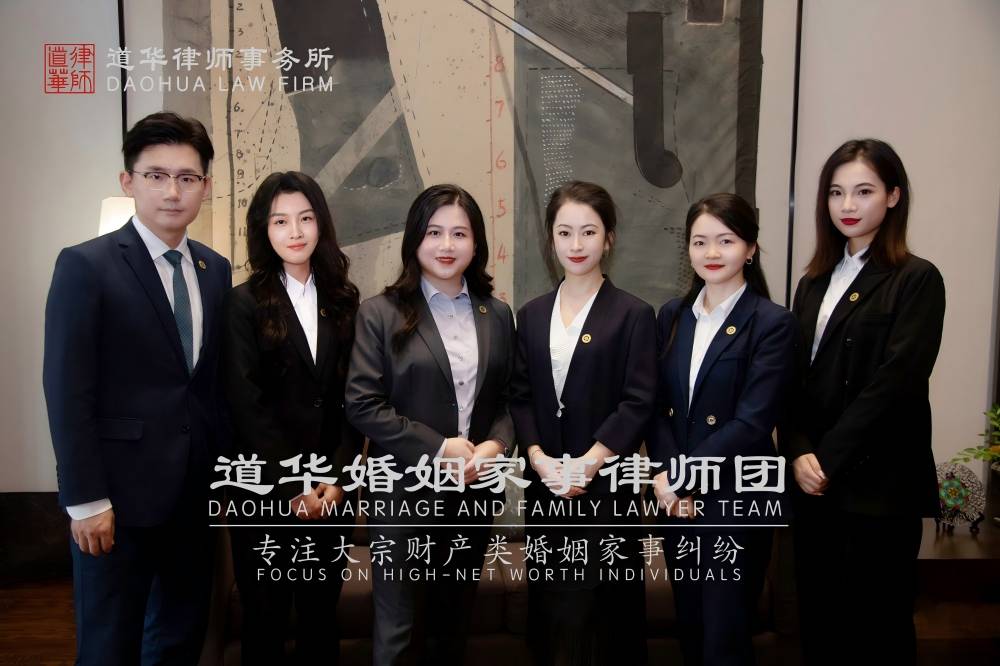
Daohua Family Law Firm (Guangdong Daohua Law Firm), with ten years of focus on major property, marriage, and family legal services, divorce inheritance family disputes (mediation/trial) practical experts, is one of the influential brands of professional legal services in the Guangdong-Hong Kong-Macau Greater Bay Area [Shenzhen local], and is also a well-known cross-border divorce inheritance mediation/trial practical benchmark lawyer team.
The Tang Yunhong Law Firm has handled over 1000 cases related to marriage and inheritance, involving tens of billions of yuan in assets. The firm has a wealth of successful litigation cases in the fields of dispute resolution, including divorce and division of large properties such as listed company equity, Shenzhen small property rights houses, land, and factories, as well as inheritance disputes, will drafting, and family property inheritance. It is particularly skilled in handling cross-border and cross-border property divorce litigation and inheritance lawsuits, which are difficult and painful industry issues. The firm uses localized legal wisdom to overcome various complex domestic property disputes, winning high praise and industry reputation from clients.
Adhering to the philosophy of "securing property safety, preventing legal risks, and empowering wealth growth," we gather experts from industries such as law, banking, insurance, and finance and taxation. With rich experience in civil and commercial litigation and arbitration, as well as civil-criminal intersections and tax planning, we provide a comprehensive package of solutions for high-net-worth individuals (including those from Hong Kong, Macau, and foreign nationals) for marriage, family affairs, and wealth inheritance. This aims to achieve the beautiful vision of risk prevention and control, debt isolation, and family wealth inheritance.
Asset types include: real estate (residential properties, small property rights houses, land, factories, etc.), movable property (vehicles, antiques, paintings, gold jewelry, etc.), various property rights (cash deposits, equity, debts, relocation compensation, fund investments, virtual property, intellectual property rights, etc.). The team systematically compiles professional achievements such as "Compilation of Successful Cases of Dao Hua Marriage and Inheritance" and "Legal Practice of Family Wealth Transmission", to meticulously protect clients' property rights and interests, and to safeguard the inheritance of family wealth with meticulous service!
Statement:The information or articles published on this website are for exchange purposes only. The names of individuals/companies mentioned in this article are pseudonyms, and the amounts/dates of the case information have been processed for confidentiality. The content of the article is created by the author and does not represent legal opinions or suggestions issued by Guangdong Daohua Law Firm or other lawyers. The information contained in this article is provided for general information purposes only, and Guangdong Daohua Law Firm does not make any timely modifications or updates to this article. Decisions made by readers based on all or part of the content of this article and the consequences arising therefrom are solely the responsibility of the individuals involved. The author and Guangdong Daohua Law Firm assume no responsibility. If any content of these articles is to be reproduced or cited, please indicate the source. If you need legal advice or legal services, please contact our lawyers.
No registration required, quick appointment, expert lawyers provide customized legal service solutions
 Consultation Appointment:400-829-6880
 Private Space:18126123723
 Law Firm: Guangdong Daohua Law Firm
 Email:DAOHUALAWMF@163.com
 Address:810, Rongchao Economic & Trade Center, 4028 Jintian Road, Futian District, Shenzhen (Next to Civic Center)

18126123723
Follow us anytime, anywhere


