When handling the division of property in a divorce, many people areTangle over a question: Should the jewelry worn close to the body and luxury items such as brand-name bags used daily be taken out and divided equally with the other party during the divorce? Most people believe that private items should always be used by themselves and should not be divided, but in fact, the judicial judgments are not so absolute. The source of funding, usage attributes, and actual value of the items will all affect the final result of the property division.
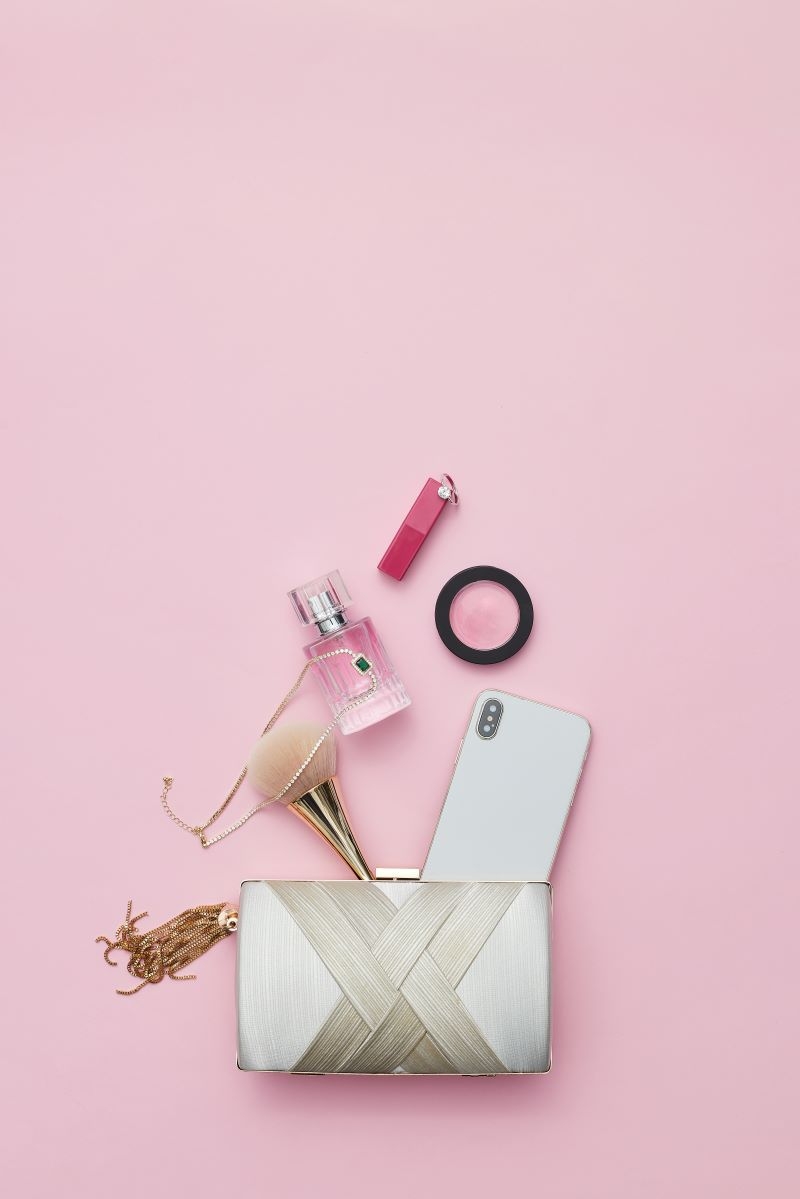
According to the relevant provisions of the "Civil Code", items of personal use by one party are considered personal property and do not need to be divided during a divorce. Ordinary gold jewelry worn close to the body, affordable bags for daily attire, and personal clothing and skincare products usually have a strong personal attribute and value that matches the daily consumption level of an average family. Even if these items were purchased during marriage, as long as they are ordinary items used daily and the value is comparable to the family's consumption level, they generally belong to the individual, and the other party has no right to demand a division.
However, daily personal use does not mean that they are exempt from division. High-end diamond rings, brand-name limited edition bags, and high-value collectible jewelry purchased with the joint savings of the couple during marriage, even if they are used exclusively by one party, the court usually will not regard them as personal living items. These items have a value that is significantly higher than the normal daily expenses of the family, and some even have preservation and investment attributes. Essentially, they still belong to the joint property of the couple and may need to be legally handled during a divorce. In practice, the court often awards the physical items to the party that has used them for a long time, while also ordering the user to pay the other party approximately half of the market valuation as a compensation.
The source of funding for the items is one of the core considerations for the court in determining property ownership. Jewelry and luxury items purchased with personal funds before marriage, or valuable items explicitly gifted to one party by others, are considered personal property and do not need to be divided during a divorce. However, if valuable jewelry is purchased using the joint income of the couple during marriage, or upgraded with joint property, even if only one party uses them, it is usually difficult to escape the category of joint property division.
Many people have a legal misconception, mistakenly believing that as long as they use items close to their body, they can take them all away during a divorce. The legal definition of personal living items is intended to protect the private items needed by ordinary people in daily life, rather than protecting high-end luxury items purchased with joint funds during marriage. If one party deliberately uses joint funds to frequently purchase high-end luxury items with the intention of privately possessing them during a divorce, the court may also consider the existence of fault on the part of that party and make corresponding adjustments in the property division.
The end of a marriage, the division of property, should be based on both reason and sentiment. Ordinary personal items used close to the body generally belong to the individual and do not need to be divided; high-value luxury items purchased with joint funds during marriage should be fairly compensated to the other party. Clarifying this legal boundary can help to keep one's personal items while also calmly fulfilling the obligations of property division and ending the marriage relationship with dignity.

 Consultation Appointment:400-829-6880
 Private Space:18126123723
 Law Firm: Guangdong Daohua Law Firm
 Email:DAOHUALAWMF@163.com
 Address:810, Rongchao Economic & Trade Center, 4028 Jintian Road, Futian District, Shenzhen (Next to Civic Center)