
Navigation

Daohua Marriage & Family Law Team
Practicing Experts in Marriage and Family Disputes (Mediation / Litigation)
Ten Years of Focus · Premium Property-Related Marriage and Family Legal Services
Guangdong Daohua Law Firm — Daohua Marriage & Family Law Team. Lead attorney Tang Yunhong. Recommended among Shenzhen's top divorce lawyers and top inheritance lawyers. A professional team in the Guangdong–Hong Kong–Macao Greater Bay Area specializing in divorce litigation and inheritance proceedings, and a well-known family law firm for high-value asset cases with an extensive track record of successful wins.
Particular expertise includes: complex property division / court litigation; division of listed-company equity, funds, and stocks; real estate; Shenzhen limited-property-right housing / farmer housing; land; factory buildings; virtual-currency assets; Hong Kong-related divorce property division; marital and divorce property agreements; tax planning; debt isolation; concealment of divorce assets; foreign-national inheritance; will notarization; will / statutory inheritance disputes; will drafting and validity challenges; urban renewal and demolition compensation; civil–criminal crossover; and cross-border coordination.Service areas: Guangdong — Shenzhen (Futian), Hong Kong, Macau, overseas, Guangzhou, Zhongshan, Zhuhai, Foshan, Huizhou, Dongguan.
I. Case Facts
Hu and Liu registered their marriage on June 9, 2011, and had a daughter after marriage. On October 18, 2019, they divorced by agreement at the civil affairs bureau, setting out arrangements on child custody, real estate, vehicles, and debts and claims. The divorce agreement provided that the daughter would be raised by Hu and that the BMW X1 vehicle would be shared equally by both parties.
After the divorce, the parties fell into dispute over the vehicle, the rural house, and other property. Hu alleged that Liu had maintained an improper relationship with another person during the marriage, which resulted in that person's pregnancy, but that she only learned of the specifics of Liu's impregnating another person during the marriage in early 2022. She therefore sued, seeking division of the relevant property and payment of RMB 200,000 in damages.
As to the vehicle, the parties reached agreement at the first-instance hearing through competitive bidding on ownership and the offset compensation. As to the rural house, Hu contended that she had participated in the reconstruction of the house and sought division of the rights in the property registered under Liu's name. Liu argued that the house had been reconstructed with his participation before the marriage and that Hu had no right to claim a share.
The first-instance court held that the parties divorced by agreement in 2019 and that Hu raised her damages claim one year after completing the divorce registration; under the judicial interpretation then applicable, the claim was not supported. As to the rural house, an effective civil mediation agreement had already confirmed that one room in the property belonged to Liu, and the available evidence was insufficient to prove that Hu enjoyed a corresponding share of ownership, so the court also declined to support her division claim.
Hu appealed, arguing that Liu's having a relationship with another person during the marriage and causing that person's pregnancy constituted major fault, and that her damages claim should be upheld. Case No.: (2023) Jing 03 Min Zhong No. 2580.
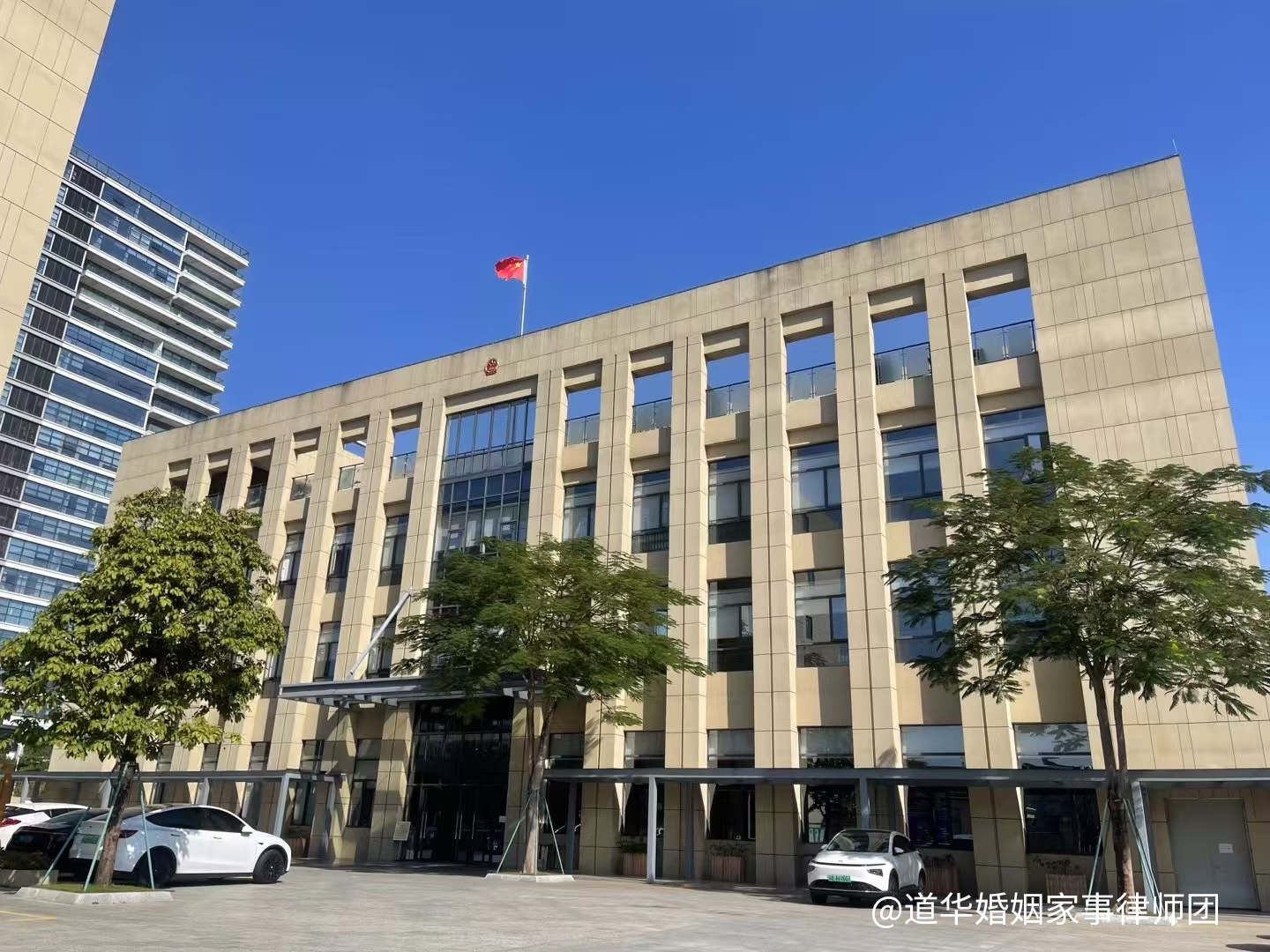
II. Issues in Dispute
1.Does Liu's conduct in having a relationship with another person during the marriage and causing that person's pregnancy constitute "other major fault" under Article 1091 of the Civil Code of the People's Republic of China, and may Hu claim divorce damages on that basis?
2.Where the parties divorced by agreement before the Civil Code took effect, and Hu raised her damages claim one year after the divorce registration, can the Civil Code and its related judicial interpretations be applied to grant her relief?
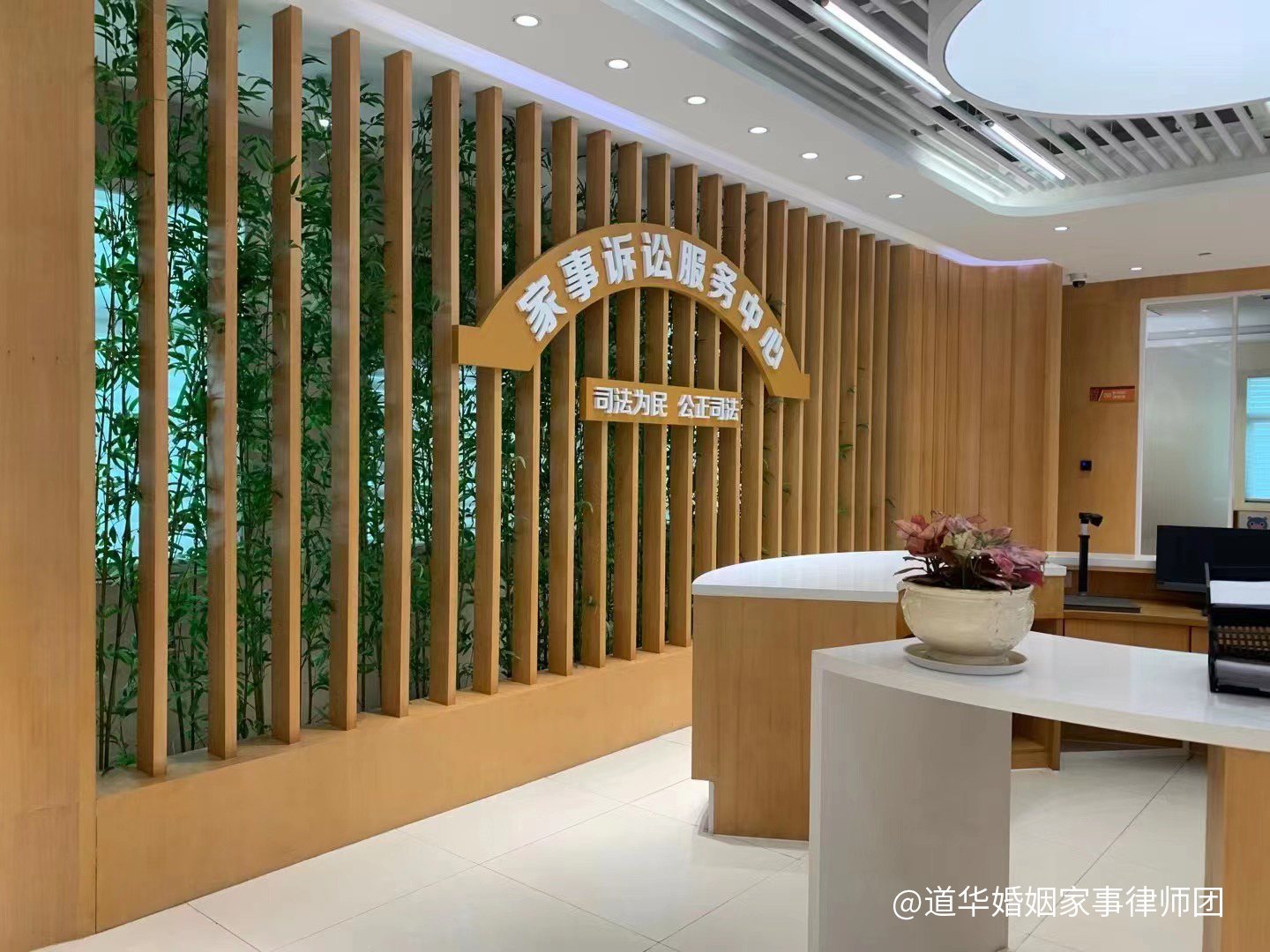
III. Outcome
1.The first item of the first-instance judgment is upheld: the vehicle at issue is awarded to Hu, and Hu shall pay Liu offset compensation of RMB 260,000.
2.The portion of the second item of the first-instance judgment dismissing Hu's other claims is set aside.
3.Liu is ordered to pay Hu RMB 50,000 in damages within seven days after the second-instance judgment takes effect.
4.Hu's other claims are dismissed.
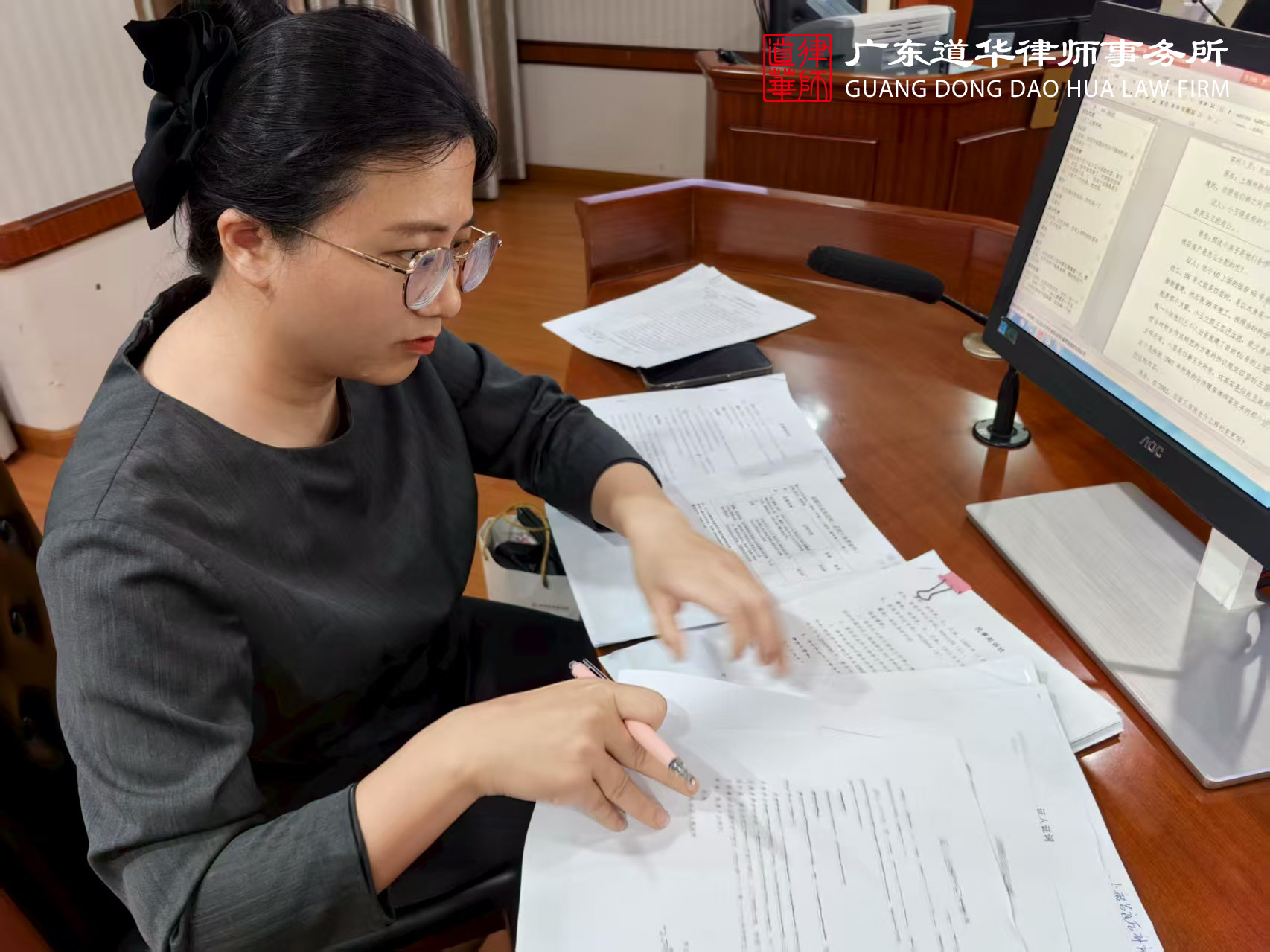
IV. Attorney Tang's Commentary
Attorney Tang Yunhong is a senior partner and chief marriage-and-family lawyer at Guangdong Daohua Law Firm. Over more than a decade of practice, she has handled more than 1,000 marriage, family, and high-value property cases, with cumulative amounts in dispute reaching billions of yuan. In this commentary, Attorney Tang Yunhong draws on the present case to set out the relevant adjudication rules and legal points concerning the determination of "major fault" for divorce damages, the time limit for raising a damages claim after divorce by agreement, and the temporal application of the Civil Code.
(1) Having a relationship with another person during the marriage and causing that person's pregnancy may constitute "other major fault."
Article 1091 of the Civil Code of the People's Republic of China provides that where a divorce results from bigamy, cohabitation with another person, domestic violence, abuse or abandonment of family members, or other major fault, the party without fault is entitled to claim damages.
Compared with Article 46 of the former Marriage Law of the People's Republic of China, the Civil Code added the catch-all clause "other major fault," expanding the scope of application of the divorce damages regime and providing a basis for relief where conduct is not expressly enumerated by law but is of a nature and degree meeting the standard of major fault.
In this case, Hu and Liu divorced by agreement on October 18, 2019; Liu remarried another person on October 21 of the same year and had a son on April 13, 2020. Taking account of these time points and the facts acknowledged by both parties at the hearing, the second-instance court held that Liu's conduct had reached the level of "other major fault" under Article 1091 of the Civil Code, and that Hu, as the party without fault, was entitled to claim damages.
The significance of this ruling is that the determination of fault for divorce damages should not be mechanically confined to the several situations expressly enumerated in the statute. For acts of marital disloyalty, a judgment should be made, in light of the specific facts, the nature of the conduct, and its impact on the marriage relationship, as to whether the standard of "other major fault" has been met.
It should be noted, however, that not every act of extramarital involvement necessarily constitutes statutory major fault. The party claiming damages must still provide corresponding evidence proving that the other party committed major fault as defined by law, and must explain, in light of the case facts, the connection between that fault and the divorce.
Accordingly, when handling similar disputes, parties should take care to collect lawful evidence capable of proving the other party's fault, including relevant chat records, written materials, and other mutually corroborating evidence, and should build a complete chain of evidence by reference to when the evidence came into being and its specific content.
(2) A damages claim raised after divorce by agreement should not be rejected outright merely because one year has passed, though the applicable law and the conditions for exercising the right must still be examined.
Another important issue in this case was whether Hu could obtain judicial support for her damages claim raised one year after divorcing by agreement.
The first-instance court relied on Article 27 of the then-applicable Supreme People's Court Interpretation (II) on Several Issues Concerning the Application of the Marriage Law of the People's Republic of China, holding that Hu's claim had been raised beyond the one-year period from completion of the divorce registration formalities, and therefore did not support her damages claim.
The second-instance court went further and analyzed the application of the Civil Code and its related judicial interpretations.
Article 89 of the Supreme People's Court Interpretation (I) on the Application of the Marriage and Family Book of the Civil Code of the People's Republic of China provides that where, after completing divorce registration formalities with the marriage registration authority, a party applies to a people's court for damages on the ground of Article 1091 of the Civil Code, the people's court shall accept the case; however, where the party expressly waived that claim at the time of the divorce by agreement, the people's court shall not support it.
Compared with the earlier judicial interpretation, this article deleted the provision that a claim "raised one year after completion of the divorce registration formalities shall not be supported."
In this case, Hu and Liu divorced by agreement in 2019, and the divorce occurred before the Civil Code took effect. In this connection, the second-instance court, applying Article 2 of the Supreme People's Court Provisions on Several Issues Concerning the Temporal Effect of the Civil Code of the People's Republic of China, considered whether application of the Civil Code and its related judicial interpretations would better protect the lawful rights and interests of civil subjects, maintain social and economic order, and promote the core socialist values.
The second-instance court held that Liu's conduct constituted "other major fault" under the Civil Code and that Hu had not expressly waived her damages claim at the time of the divorce by agreement. Applying the Civil Code and its related judicial interpretations better protected the lawful rights and interests of the party without fault; the court therefore corrected the first-instance disposition dismissing that claim solely on the ground that more than one year had passed since the divorce by agreement, and ultimately ordered Liu to pay RMB 50,000 in damages.
This ruling shows that, in cases involving the application of old and new law, the application of the Civil Code and its related judicial interpretations cannot be excluded simply because the divorce occurred before the Civil Code took effect. Courts must determine which law applies by reference to when the legal facts of the case occurred, changes in the relevant legal provisions, and the temporal-effect rules of the Civil Code.
At the same time, raising a damages claim after divorce by agreement does not mean the claim will necessarily succeed. Whether the party expressly waived damages in the divorce agreement, whether the other party's conduct constitutes statutory major fault, and which legal rules apply to the case may all affect the final outcome.
This case shows that divorce does not mean fault occurring during the marriage can no longer be addressed through legal remedies. Where one party committed major fault during the marriage, the party without fault should promptly assess, in light of the specific conduct, the evidence, and the applicable law, whether the conditions for a divorce damages claim are satisfied.
In a divorce by agreement, parties should carefully review the provisions of the divorce agreement disposing of rights, because whether a damages claim is expressly waived bears directly on later efforts to vindicate rights. Where the other party's major fault is discovered only after the divorce, it cannot simply be concluded that the claim is time-barred because one year has passed; a specific assessment should be made in light of when the events occurred, the applicable law, and the judicial interpretations.
In addition, post-divorce property disputes involve various types of property interests, and the rules on ownership and division differ from one type of property to another. In this case, ownership of the vehicle was determined through negotiation and court handling, whereas the rural house claim was not supported because it involved pre-marital reconstruction, homestead registration, and the interests of third parties.
Therefore, in handling post-divorce property disputes, the source of rights in each type of property should be distinguished, and the time of acquisition, the contributions, the registration, and whether third-party interests are involved should be ascertained; a share of ownership in a house cannot be found merely because the parties lived together during the marriage or because one party participated in renovations.
V. Legal Provisions Cited
Article 1091 of the Civil Code of the People's Republic of China provides that where a divorce results from bigamy, cohabitation with another person, domestic violence, abuse or abandonment of family members, or other major fault, the party without fault is entitled to claim damages.
Article 89 of the Supreme People's Court Interpretation (I) on the Application of the Marriage and Family Book of the Civil Code of the People's Republic of China sets out the rules on acceptance of a divorce damages claim raised after divorce by agreement, and on the handling of cases where the party expressly waived that claim.
Article 2 of the Supreme People's Court Provisions on Several Issues Concerning the Temporal Effect of the Civil Code of the People's Republic of China provides that, for civil disputes arising from legal facts occurring before the Civil Code took effect, the relevant provisions of the Civil Code may be applied where the statutory conditions are met.
Article 177, paragraph 1, item (2) of the Civil Procedure Law of the People's Republic of China provides that where a second-instance people's court finds that the original judgment or ruling erred in finding facts or in applying the law, it shall, in accordance with law, revise, set aside, or modify it.
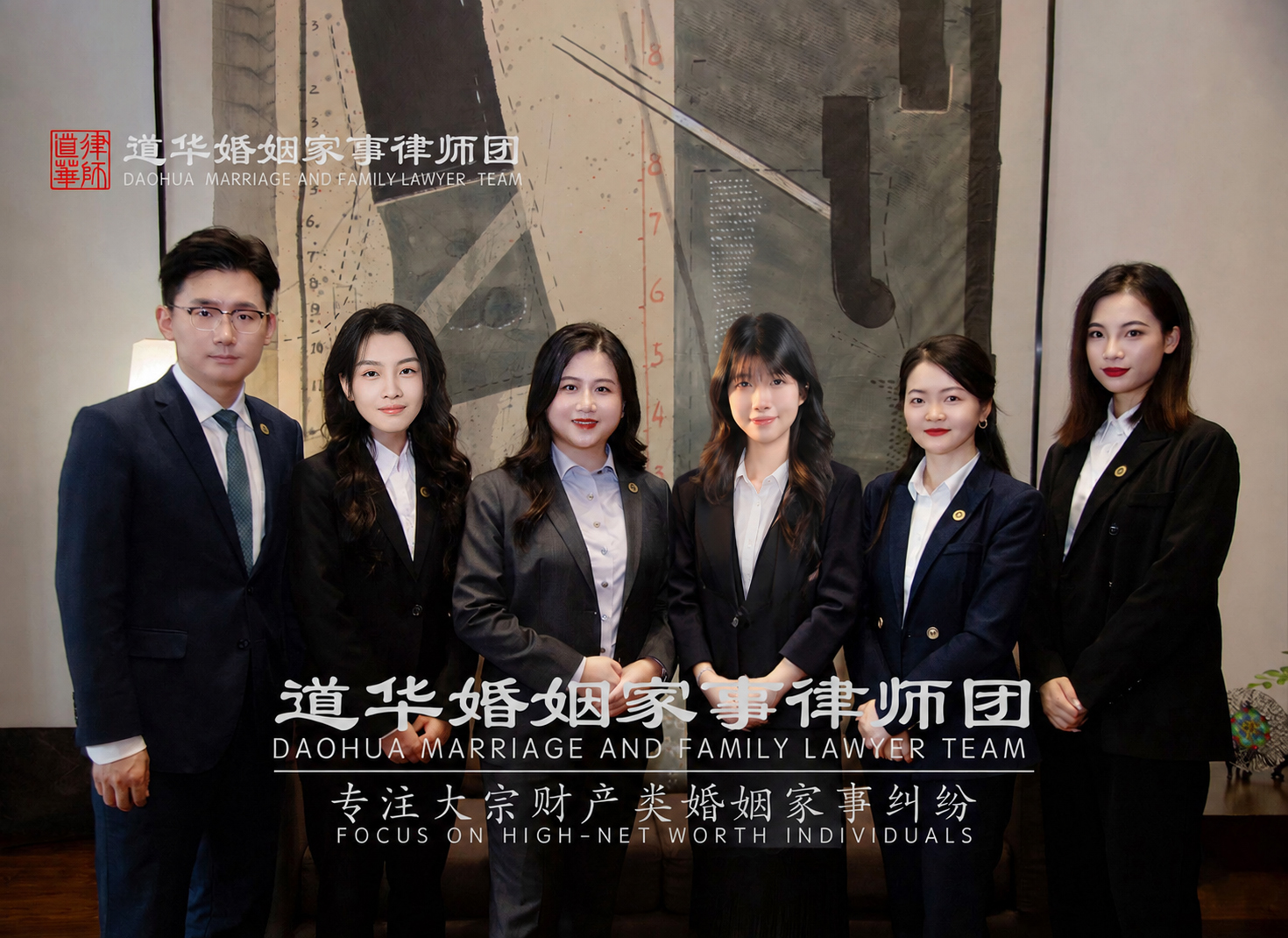
Daohua Marriage & Family Law Team (Guangdong Daohua Law Firm) — Ten Years of Focus · Premium Property-Related Marriage and Family Legal Services. Practicing experts in marriage, divorce, and inheritance disputes (mediation / litigation). We are one of the most influential professional legal-service brands in the Guangdong–Hong Kong–Macao Greater Bay Area [Shenzhen-rooted], and a benchmark team in cross-border divorce and inheritance mediation and litigation.
Attorney Tang Yunhong's team has handled more than 1,000 marriage and inheritance cases involving billions of yuan in dispute value. We have an extensive record of successful wins in resolving disputes over high-value assets such as listed-company equity, Shenzhen limited-property-right housing, land, and factory buildings in divorce property division; inheritance litigation; will drafting; and family wealth succession. We are particularly known for tackling industry-wide hard problems in foreign-related and cross-border property divorce litigation and inheritance proceedings, using local case-handling expertise to overcome complex family property disputes and earning high client praise and industry recognition.
Grounded in the philosophy of "safeguarding property security, controlling legal risk, and enabling wealth growth," we bring together experts in law, banking, insurance, and tax and finance, supported by rich experience in civil and commercial litigation and arbitration, civil–criminal crossover matters, and tax planning. For high-net-worth clients (including those from Hong Kong, Macau, and foreign nationals), we provide comprehensive marriage, family, and wealth-succession solutions to achieve risk prevention and control, debt isolation, and the long-term vision of family wealth succession.
Asset types covered include: real property (commercial housing, limited-property-right housing, land, factory buildings, etc.); movable property (vehicles, antiques and calligraphy/paintings, gold and jewelry, etc.); and various property-type rights (cash deposits, equity, creditor's rights, demolition compensation, funds and wealth-management products, virtual property, intellectual property, etc.). The team has systematically compiled professional works including the Daohua Compendium of Successful Marriage and Inheritance Cases and Legal Practice in Family Wealth Succession, guarding clients' property rights with extreme professionalism and safeguarding family wealth succession with dedicated service.
Disclaimer: The information or articles published on this website are for exchange purposes only. All names and enterprise names mentioned herein are pseudonyms, and case details such as amounts and dates have been treated to preserve confidentiality. The articles are authored and do not represent legal opinions or advice issued by Guangdong Daohua Law Firm or any other lawyer. The information contained herein is provided as general information only, and Guangdong Daohua Law Firm undertakes no obligation to update it for timeliness. Any decisions readers make based in whole or in part on this article in connection with their own cases, and any consequences arising therefrom, are the reader's own responsibility. Neither the authors nor Guangdong Daohua Law Firm shall bear any liability. If you wish to reprint or cite any content of these articles, please indicate the source. Should you require relevant legal advice or legal services, please contact our firm's lawyers.
No registration required, quick appointment, expert lawyers provide customized legal service solutions
 Consultation Appointment:400-829-6880
 Private Space:18126123723
 Law Firm: Guangdong Daohua Law Firm
 Email:DAOHUALAWMF@163.com
 Address:810, Rongchao Economic & Trade Center, 4028 Jintian Road, Futian District, Shenzhen (Next to Civic Center)


18126123723
Follow us anytime, anywhere


