
Navigation

Daohua Marriage & Family Law Team
Practicing Experts in Marriage and Family Disputes (Mediation / Litigation)
Ten Years of Focus · Premium Property-Related Marriage and Family Legal Services
Guangdong Daohua Law Firm — Daohua Marriage & Family Law Team. Lead attorney Tang Yunhong. Recommended among Shenzhen's top divorce lawyers and top inheritance lawyers. A professional team in the Guangdong–Hong Kong–Macao Greater Bay Area specializing in divorce litigation and inheritance proceedings, and a well-known family law firm for high-value asset cases with an extensive track record of successful wins.
Particular expertise includes: complex property division / court litigation; division of listed-company equity, funds, and stocks; real estate; Shenzhen limited-property-right housing / farmer housing; land; factory buildings; virtual-currency assets; Hong Kong-related divorce property division; marital and divorce property agreements; tax planning; debt isolation; concealment of divorce assets; foreign-national inheritance; will notarization; will / statutory inheritance disputes; will drafting and validity challenges; urban renewal and demolition compensation; civil–criminal crossover; and cross-border coordination.
Service areas: Guangdong — Shenzhen (Futian), Hong Kong, Macau, overseas, Guangzhou, Zhongshan, Zhuhai, Foshan, Huizhou, Dongguan.
I. Case Facts
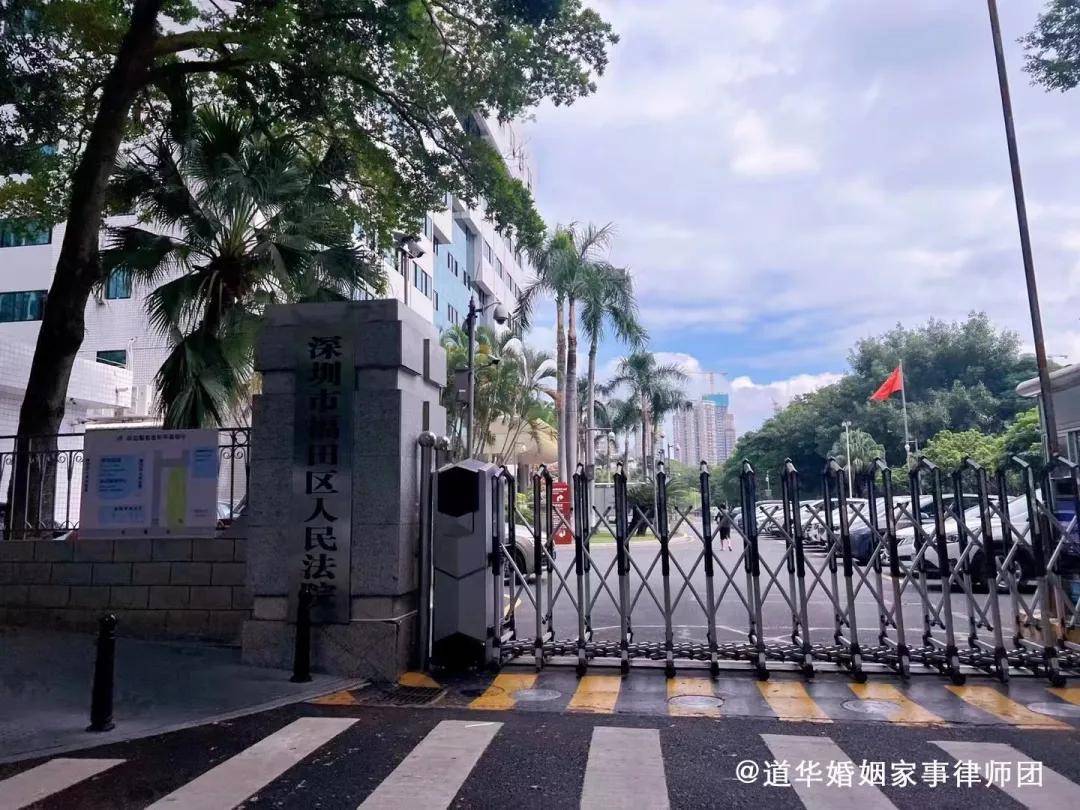
The decedent, Zhuang 2, was an original villager of Futian District. He passed away in March 2016, leaving no will. His first-order heirs include his spouse Ma Meichang, his mother Lai Aihua, his marital son Zhuang Kunyuan, and his non-marital son Zhuang 1 (a Hong Kong resident, born in 2007). The core assets in dispute include the self-built houses at Buildings 184 and 223 in XX Community, Futian (villager-rebuilt, without title certificates, and merely registered in the 2009 historic-building survey), a resettlement compensation unit known as No. 2006, a commodity housing unit at Fumin Jiayuan, vehicles, bank deposits, and equity in XX Industrial Joint-Stock Cooperative Company, among others.
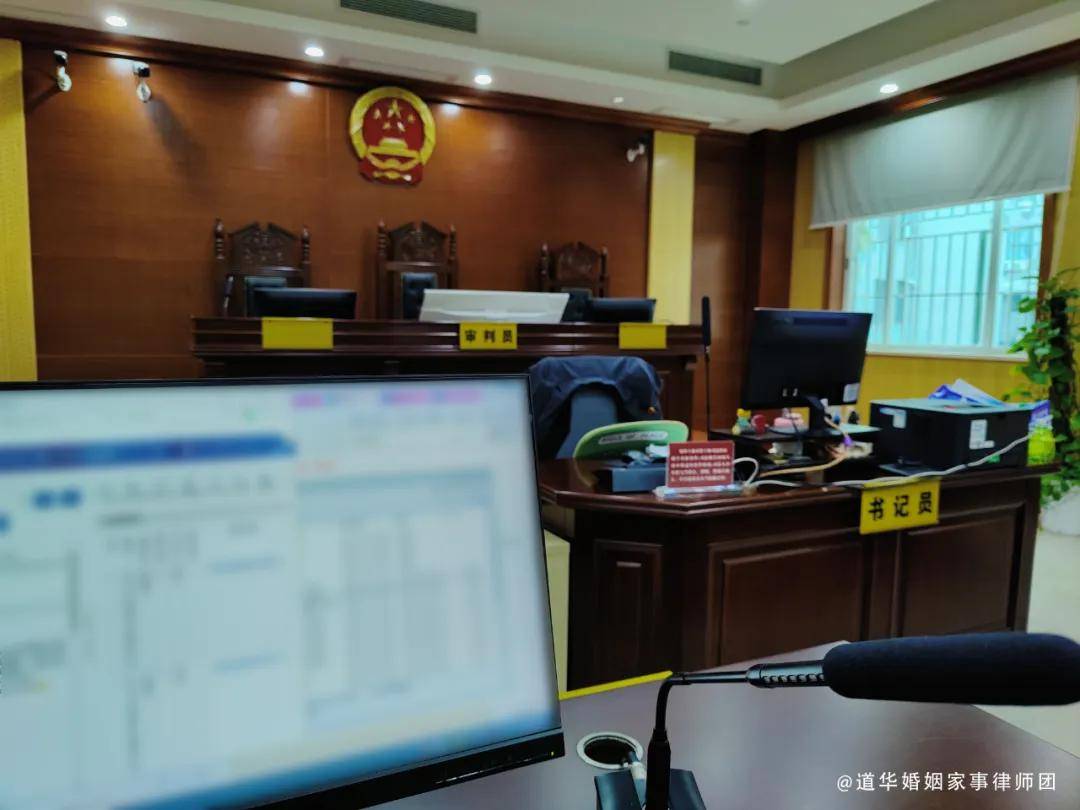
In the first instance (2016 Yue 0304 Min Chu No. 13112), the court valued the small-property-right housing using the income approach and awarded the non-marital son a discounted cash compensation, so Zhuang 1 received only cash. The second instance (Shenzhen Intermediate People's Court) reversed: it divided the right of use of the small-property-right housing in kind (Unit 302 in Building 184 plus the third floor of Building 223 to Zhuang 1), and ordered supplementary payment of rent for March 2016 to October 2020 at RMB 45 per square meter per month, amounting to approximately RMB 378,800, while the equity itself was not divided.
II. Issues in Dispute
(1) Can the right of use of the small-property-right housing at issue be inherited as part of the estate? Does the historic-building survey registration form amount to confirmation of title?
(2) How should the rental income from the small-property-right housing at issue be calculated and distributed?
(3) Can the equity and dividends in the original villagers' collective joint-stock cooperative company be inherited?
III. Outcome
(1) Right of use of the small-property-right housing: what may be inherited is a "bundle of rights and powers," not "ownership."
The appellant, Zhuang 1, argued that Zhuang 2's shares in the properties at Buildings 184 and 223 should be inherited in kind, as a right of use, in proportion to those shares. The respondents argued that neither property had obtained a title certificate and therefore should not be divided as part of the estate.
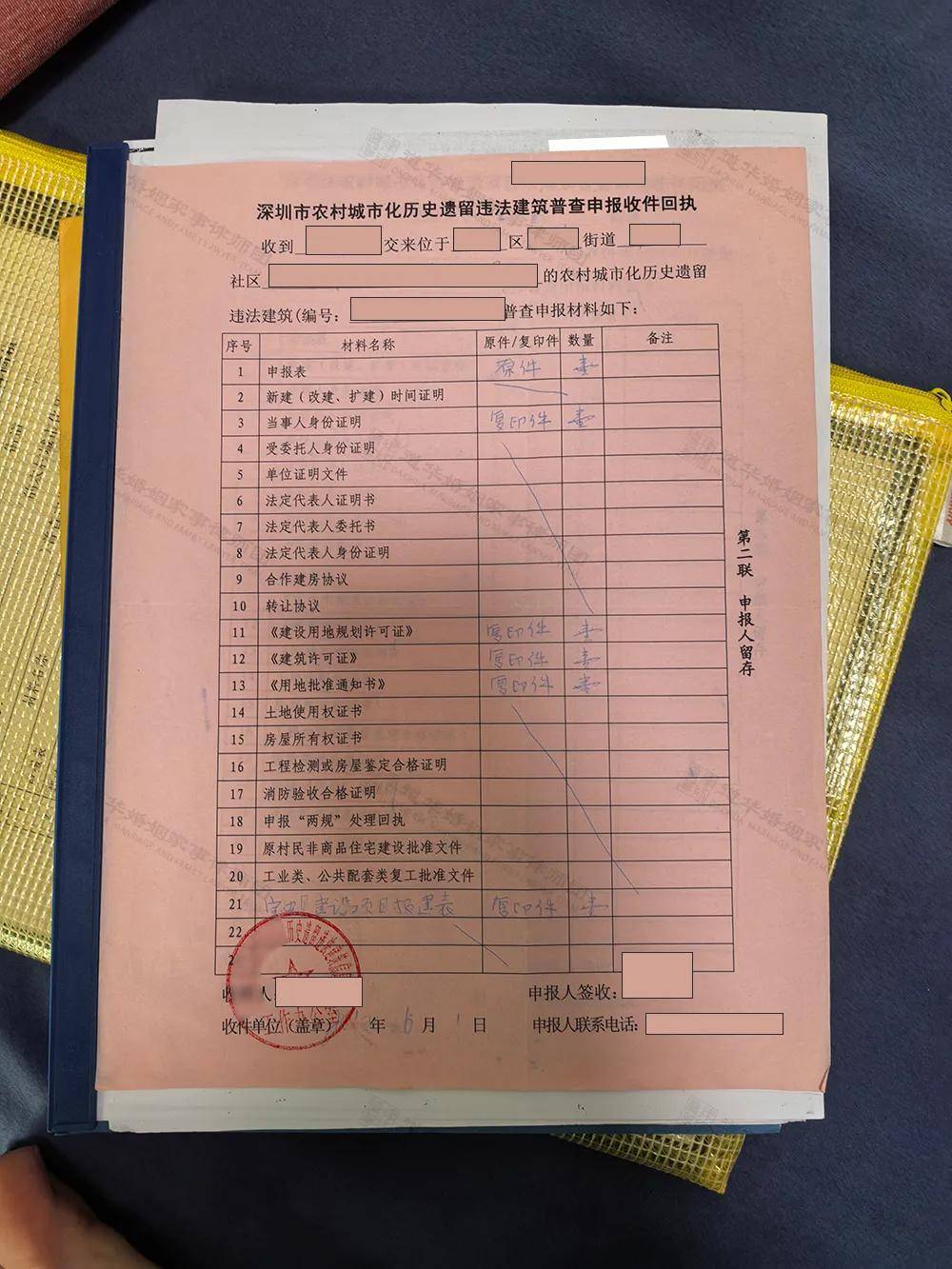
The first-instance court held that, although the properties at issue had no title certificate, the right of use could still be dealt with. The shares confirmed by Zhuang 2 and Ma Meichang in the survey registration form could serve as the basis for determining the scope of the estate. Of the 52% share in Building 184 (26% each for Zhuang 2 and Ma Meichang) and the 50% share in Building 223 (25% each), after deducting Ma Meichang's 50% spousal share, the remainder constituted Zhuang 2's estate.
The second-instance court held: first, that both properties were self-built houses of villagers without title registration, so only the powers of possession, use, and income could be disposed of; second, that the survey information was a declaration made by the parties themselves and, before confirmation by the real estate registration and title-confirmation authorities, produced no statutory title-confirmation effect and could not serve as the basis for determining ownership shares. Nevertheless, respecting the allocation of rights the parties themselves had declared and confirmed, it dealt only with the 52% share in Building 184 and the 50% share in Building 223 that were jointly owned by Zhuang 2 and Ma Meichang, leaving the remaining shares to be claimed by the respective heirs through other legal channels.
In sum, the second-instance court established two core rules for inheritance involving small-property-right housing. First, the absence of registration does not prevent the right of use from serving as the subject matter of the estate; a court may, in an inheritance case, divide the powers of possession, use, and income. Second, a historic-building survey registration form has no title-confirming effect; it may serve only as a reference for the parties' own disposition of rights and cannot replace an administrative authority's confirmation of ownership.
(2) Rental income: statutory fruits held in shares from the date of death.
As a matter of legal theory, rent is a statutory fruit of the house's usufructuary right. Inheritance begins upon the decedent's death, and the heirs then hold the property in co-ownership according to their prospective shares. Zhuang 2 died in March 2016, when inheritance began, and the four heirs held the estate shares in co-ownership; Zhuang 1 thereby acquired a claim to 12.5% of the rent.
(3) Collective equity: personal attachment bars inheritance; only "dividends accrued before death" are distributed.
Zhuang 1 argued that the nature of collective shares, cooperative shares, and raised shares should be distinguished, that the inheritable portion should be divided, and that at minimum the right to dividends should be preserved. Both the first and second instances agreed: the shares held by Zhuang 2 in Shenzhen XX Industrial Co., Ltd. were obtained on the basis of membership in the village collective organization and were of a personally attached nature. Zhuang 1 did not possess that personal attribute, so the equity itself was not dealt with. The dividends had been distributed before Zhuang 2's death and therefore did not form part of the estate.
Accordingly, equity acquired on the basis of original-villager collective membership carries personal attachment and is not a transferable property right within the "lawful personal property" referred to in Article 3 of the Inheritance Law; Zhuang 1, not being a registered collective member of that village, cannot succeed to shareholder status.
IV. Attorney Tang's Commentary
First, although small-property-right housing has no real estate title certificate, the right of use and the right to income may be included within the scope of estate division. Many families previously assumed that untitled houses could not be inherited; in this case, both the first and second instances made clear that although a court cannot divide ownership of the house, it may adjudicate the allocation of possessory and use rights and distribute the rental fruits of the property. A historic-building survey registration form may serve only as a reference for the shares the parties themselves agreed upon; it has no administrative title-confirming effect, and heirs whose ownership rights are in dispute must separately pursue title confirmation through administrative channels.
Second, children born outside marriage and children born within marriage enjoy equal inheritance rights, and the fruits of the property must be distributed fairly according to inheritance shares. In this case, the non-marital son was lawfully allocated the right of use over specific floors and rooms of the property. After the decedent's death, the rent generated when one party exclusively occupied and rented out the house constituted income held in common by all heirs; the party in exclusive possession must make up the other heirs' corresponding share of income for the relevant period at market rental rates, so as to prevent one relative from unilaterally appropriating estate income.
Third, equity in a village collective joint-stock cooperative company carries personal attachment and cannot be inherited at will. Membership status and shareholder qualification in such a company are founded on membership in the collective; heirs who are not registered in the village generally cannot, merely by inheritance, automatically acquire membership status and shareholder qualification, nor may they assert identity-based rights such as voting and electoral rights. However, property interests already determined within the equity form part of the decedent's estate, and heirs may claim inheritance of income determined but not yet distributed at the time of death, land-expropriation compensation distributed per share, and the property value of the shares.
Fourth, family wealth succession should involve a written will made in advance, clearly setting out arrangements for the right of use of the house, deposits, and equity. A decedent who leaves no will very easily triggers disputes among multiple heirs—marital and non-marital children, the spouse, and elder relatives—which not only prolongs the litigation cycle but also causes additional losses such as rent and appraisal costs. Advance planning can reduce property conflicts among relatives.
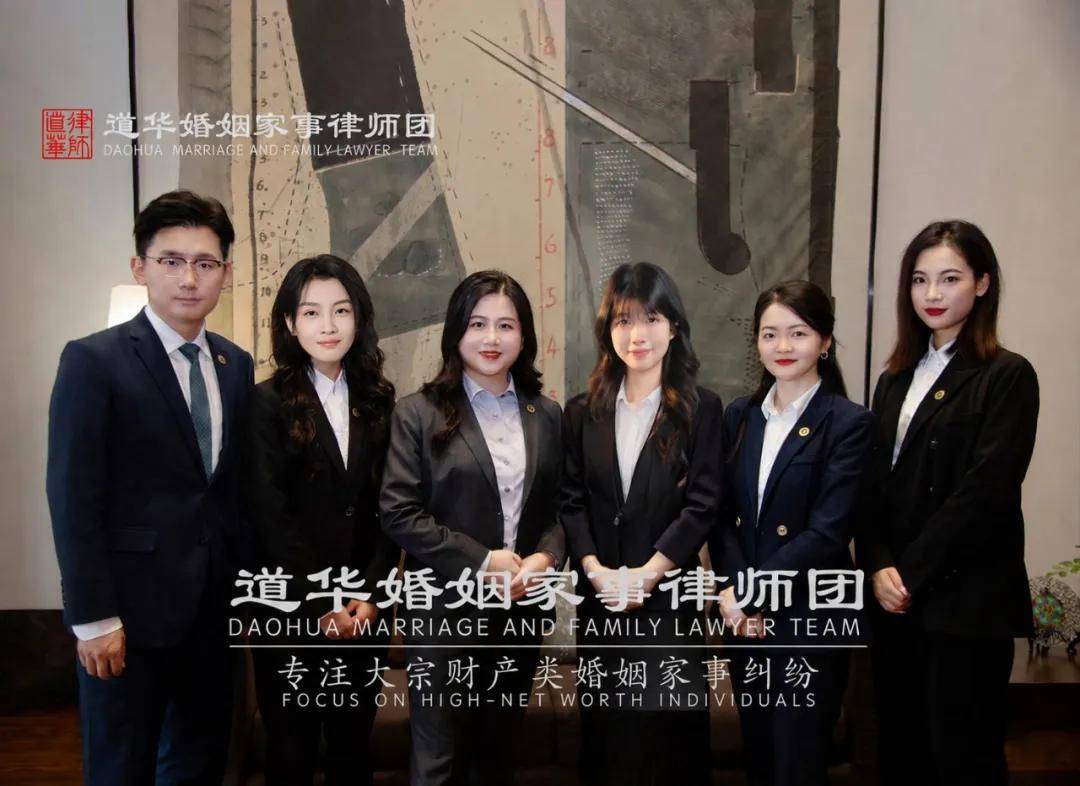
Daohua Marriage & Family Law Team (Guangdong Daohua Law Firm) — Ten Years of Focus · Premium Property-Related Marriage and Family Legal Services. Practicing experts in marriage, divorce, and inheritance disputes (mediation / litigation). We are one of the most influential professional legal-service brands in the Guangdong–Hong Kong–Macao Greater Bay Area [Shenzhen-rooted], and a benchmark team in cross-border divorce and inheritance mediation and litigation.
Attorney Tang Yunhong's team has handled more than 1,000 marriage and inheritance cases involving billions of yuan in dispute value. We have an extensive record of successful wins in resolving disputes over high-value assets such as listed-company equity, Shenzhen limited-property-right housing, land, and factory buildings in divorce property division; inheritance litigation; will drafting; and family wealth succession. We are particularly known for tackling industry-wide hard problems in foreign-related and cross-border property divorce litigation and inheritance proceedings, using local case-handling expertise to overcome complex family property disputes and earning high client praise and industry recognition.
Grounded in the philosophy of "safeguarding property security, controlling legal risk, and enabling wealth growth," we bring together experts in law, banking, insurance, and tax and finance, supported by rich experience in civil and commercial litigation and arbitration, civil–criminal crossover matters, and tax planning. For high-net-worth clients (including those from Hong Kong, Macau, and foreign nationals), we provide comprehensive marriage, family, and wealth-succession solutions to achieve risk prevention and control, debt isolation, and the long-term vision of family wealth succession.
Asset types covered include: real property (commercial housing, limited-property-right housing, land, factory buildings, etc.); movable property (vehicles, antiques and calligraphy/paintings, gold and jewelry, etc.); and various property-type rights (cash deposits, equity, creditor's rights, demolition compensation, funds and wealth-management products, virtual property, intellectual property, etc.). The team has systematically compiled professional works including the Daohua Compendium of Successful Marriage and Inheritance Cases and Legal Practice in Family Wealth Succession, guarding clients' property rights with extreme professionalism and safeguarding family wealth succession with dedicated service.
Disclaimer: The information or articles published on this website are for exchange purposes only. All names and enterprise names mentioned herein are pseudonyms, and case details such as amounts and dates have been treated to preserve confidentiality. The articles are authored and do not represent legal opinions or advice issued by Guangdong Daohua Law Firm or any other lawyer. The information contained herein is provided as general information only, and Guangdong Daohua Law Firm undertakes no obligation to update it for timeliness. Any decisions readers make based in whole or in part on this article in connection with their own cases, and any consequences arising therefrom, are the reader's own responsibility. Neither the authors nor Guangdong Daohua Law Firm shall bear any liability. If you wish to reprint or cite any content of these articles, please indicate the source. Should you require relevant legal advice or legal services, please contact our firm's lawyers.
No registration required, quick appointment, expert lawyers provide customized legal service solutions
 Consultation Appointment:400-829-6880
 Private Space:18126123723
 Law Firm: Guangdong Daohua Law Firm
 Email:DAOHUALAWMF@163.com
 Address:810, Rongchao Economic & Trade Center, 4028 Jintian Road, Futian District, Shenzhen (Next to Civic Center)


18126123723
Follow us anytime, anywhere


