
Navigation
Author: Dao Hua Marriage and Family Law FirmDate: 2026-03-11Reads:times
Marriage and Family Affairs Dispute (Mediation/Litigation) Practical Expert
Ten years of focus on; marriage and family legal services for bulk property matters
Guangdong Dao Hua Law Firm, Tang Yunhong, Dao Hua Family Law Team, Shenzhen's renowned divorce litigation lawyer, professional inheritance and succession lawyer, Guangdong and Shenzhen's top ten family law firms, specializing in: major difficult divorce mediation/court litigation, property small property division, will and inheritance disputes, will notarization, divorce property division, post-divorce property disputes, divorce/marital agreement, custody disputes, will inheritance disputes, legal inheritance disputes, land and property inheritance, rural house demolition inheritance, will drafting, will validity determination, etc. Non-litigation and disputes. Service areas: Futian, Nanshan, Luohu, Longgang, Bao'an, Longhua, Guangming, Pingshan, Dapeng, Yantian.

Introduction:As the integration of the Guangdong-Hong Kong-Macau Greater Bay Area deepens, it has become increasingly common for Hong Kong residents to purchase properties in mainland China, and cross-border property inheritance has also become a frequent legal matter. Unlike Hong Kong's inheritance legal system, mainland property inheritance strictly applies the "Civil Code of the People's Republic of China". Hong Kong residents need to pay special attention: documents such as identity, kinship, and wills issued in Hong Kong must be notarized by a Chinese notary public and stamped and forwarded by the China Legal Service (Hong Kong) Limited before they can have legal effect in mainland China. A Shenzhen inheritance lawyer points out that this procedure is the necessary path for cross-border inheritance. Tang Yunhong, a lawyer at the Guangdong Dao Hua Law Firm, divides the inheritance of mainland properties by Hong Kong residents into two paths: non-litigation inheritance (notarial inheritance) and litigation inheritance, depending on whether there are disputes among the heirs. Combining with the following real case, she details the applicable scenarios, procedures, and key points of the two methods.
One, The legal application for Hong Kong residents inheriting mainland property
Hong Kong and the mainland belong to different legal systems. The most crucial prerequisite for Hong Kong residents to handle property inheritance in the mainland is to complete the notarization and transmission of Hong Kong documents. According to relevant regulations in the mainland, documents such as death certificates, identity proofs, proof of kinship, wills, etc., of Hong Kong residents cannot be used directly in the mainland and must be notarized for their authenticity and legality by the Chinese Notary Public (Hong Kong). After being reviewed and sealed by the China Legal Service (Hong Kong) Co., Ltd., they can be recognized by mainland notary offices, courts, and real estate registration centers. This process is the necessary route for cross-border inheritance and is also the key to avoiding invalid materials and a blocked process.
At the same time,Real estate in the mainland, as immovable property, its inheritance is exclusively applicable to mainland law.This principle is supported by clear legal provisions, namely Article 31 of the "Law of the People's Republic of China on the Application of Law in Civil Matters Involving Foreign Elements" which states, "The law of the habitual residence of the deceased shall apply to statutory succession, but the law of the place where the immovable property is located shall apply to the statutory succession of immovable property." Article 36 further clarifies that "the property rights of immovable property shall apply the law of the place where the immovable property is located." Therefore, the substantial validity of wills, the order of succession, and the distribution of shares must follow the provisions of the "Civil Code of the People's Republic of China" on succession; while the formal validity of wills may be applicable under Hong Kong law, which provides a certain degree of flexibility for Hong Kong residents to dispose of mainland property through wills.
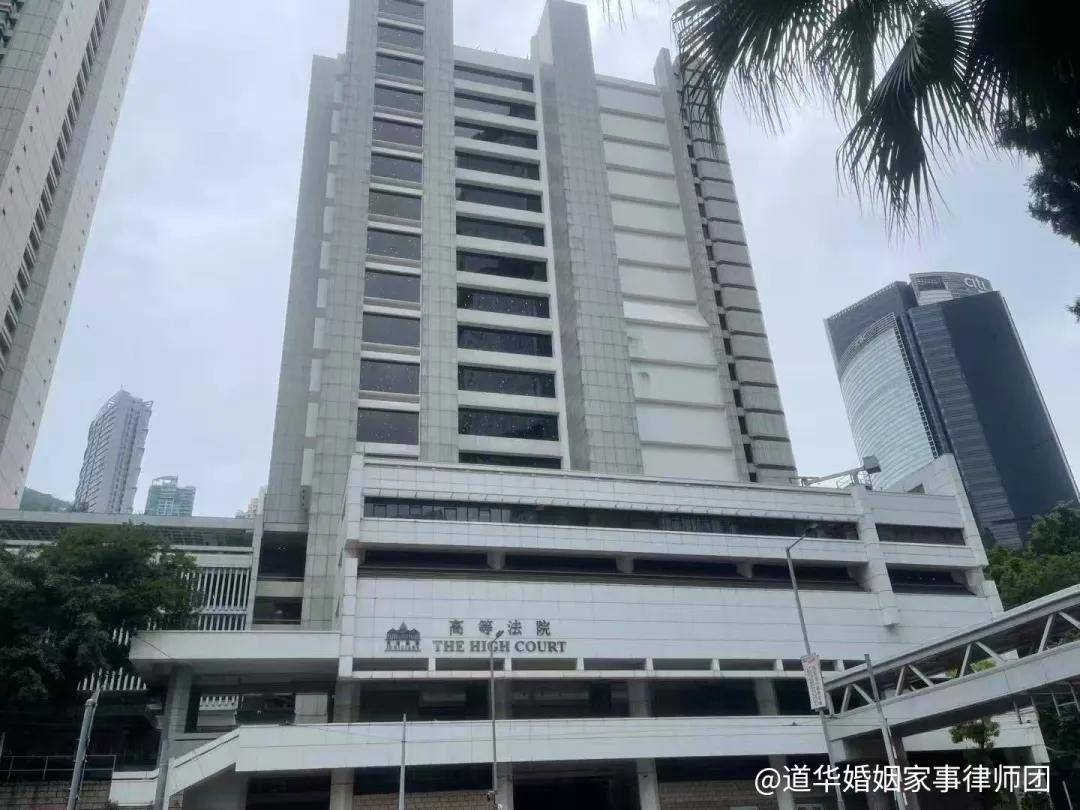
Second, Non-contentious inheritance (notarial inheritance)
Non-contentious inheritance, also known as notarial inheritance, is applicable to situations where all heirs have no disputes over the ownership of real estate, the inheritance shares, and the validity of wills. It has the advantages of a simple process, lower costs, and shorter time consumption, and is the preferred method for Hong Kong residents to inherit mainland real estate.In Shenzhen, inheritance lawyers usually prioritize assisting clients in evaluating whether they meet this path. The core legal basis is Article 1123 of the Civil Code, which explicitly states "After inheritance begins, it shall be handled according to the statutory succession; if there is a will, it shall be handled according to the will inheritance or legacy; if there is a legacy and support agreement, it shall be handled according to the agreement," and at the same time, in conjunction with the relevant provisions of the "Rules of Notarial Procedures," through the notarial office of the property location, a certificate of inheritance right is issued, and the transfer of real property is handled by relying on the notarial certificate, which is a legally convenient path for uncontested inheritance.
Typical Case: Non-litigation Practice of Hong Kong Residents Inheriting Guangzhou Real Estate
Mr. Leung, a resident of Hong Kong, passed away in Hong Kong in 2017. He left a will authenticated by the High Court of Hong Kong before his death, specifying that his multiple properties in Guangzhou would be inherited by his 8 children in different shares. Mr. Leung's children are all residents of Hong Kong and have no objections to the contents of the will. However, they were once in a dilemma facing cross-border document processing and multiple inheritance relationships. Later, with the assistance of lawyers from both places, they successfully completed the non-litigious inheritance process.
In this case, Mr. Liang's will involves mainland real estate, and some of his children have passed away, involving issues of inheritance by substitution. It also includes the recognition of the inheritance rights of non-marital children. Non-marital children have the same inheritance rights as marital children, as stipulated in Article 1127 of the Civil Code, which explicitly states that the term "children" in this chapter includes marital children, non-marital children, adopted children, and stepchildren with a foster relationship; the legal basis for inheritance by substitution is Article 1152 of the Civil Code: "If the heir dies before the division of the inheritance and has not renounced the inheritance, the inheritance that the heir should have inherited shall be transferred to the heir of the heir, except as otherwise provided in the will."The notary office, through the dual-track mechanism of "Hong Kong legal opinion + mainland notarization," has the Hong Kong lawyer issue a legal opinion confirming that the involved property is Mr. Liang's personal property, clearly stating that non-marital children have the same inheritance rights as marital children; subsequently, all heirs entrusted the Chinese Notary Public to notarize documents such as Mr. Liang's death certificate, will, and proof of kinship, and these documents were forwarded to the Guangzhou Notary Office by China Legal Service (Hong Kong) Co., Ltd. Finally, after reviewing over 30 documents, the Guangzhou Notary Office issued a certificate of inheritance rights, shortening the processing cycle by 60% compared to the conventional cases, and the heirs successfully completed the property transfer.
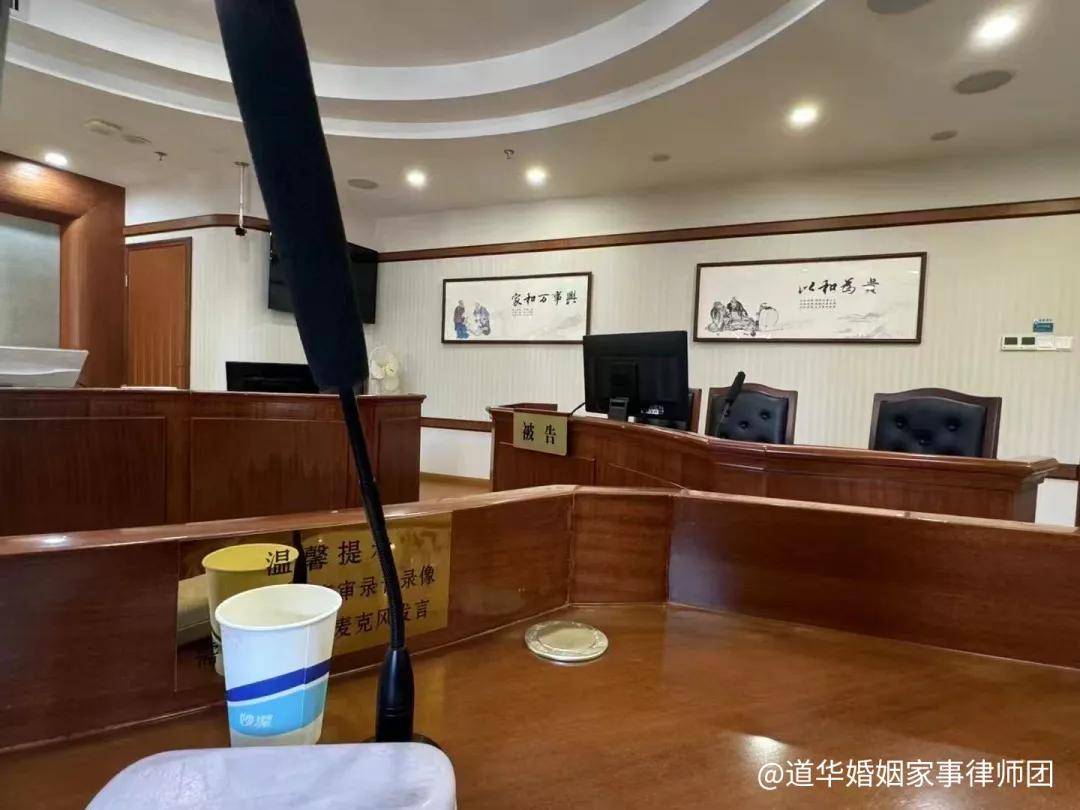
Three, Litigation inheritance
Litigation inheritance applies to situations where heirs cannot reach an agreement on the validity of the will, the inheritance share, or the ownership of real estate, such as when some heirs do not cooperate, the authenticity of the will is in doubt, or the scope of the inheritance is unclear.The core legal basis is Article 1132 of the Civil Code, "The heirs shall handle inheritance issues with the spirit of mutual understanding and tolerance, unity, and harmony, and negotiate the division of the inheritance. The time, method, and share of the inheritance division shall be determined by the heirs through negotiation; if the negotiation fails, it can be mediated by the People's Mediation Committee or a lawsuit can be filed with the People's Court." The core of litigation inheritance is to confirm the inheritance right through a judgment of the court at the place of the property, and the transfer can be handled with the effective legal document, which has compulsory enforcement power. Shenzhen inheritance lawyers can act as agents for the parties in such lawsuits, safeguarding their rights and interests based on the court judgment. At the same time, according to Article 95 of the Basic Law of the Hong Kong Special Administrative Region of the People's Republic of China and related arrangements, the judgments of the mainland courts on inheritance cases involving Hong Kong have legal effect and can be enforced in accordance with the law.
Typical Case: Litigation Dispute over Inheritance of Mainland Property by Hong Kong Residents
Hong Kong resident Chen Mou passed away abroad without leaving a will. He owned a property in mainland China, with his heirs including his wife A and his parents B and C (all Hong Kong residents). The three parties could not reach an agreement on the inheritance share of the property. Chen Mou's parents claimed that each should receive one-third, while Chen Mou's wife A believed that the property was joint marital property and should first be divided in half, with the remaining half distributed according to legal inheritance. After failing to reach a compromise, Chen Mou's parents filed a lawsuit with the court in the location of the property.
The court held that the case involved a Hong Kong-related inheritance dispute, and the inheritance of immovable property is subject to mainland Chinese law, in accordance with Article 31 and Article 36 of the "Law of the People's Republic of China on the Application of Law in Civil Matters Involving Foreign Elements." Considering the evidence of pre-marital investment submitted by Chen's wife, the court determined that the involved property was jointly owned by the couple, based on Article 1153 of the "Civil Code," which states, "For jointly-owned property, unless otherwise agreed, when dividing the inheritance, half of the jointly-owned property shall be allocated to the spouse, and the remainder shall be the heritage of the deceased." The remaining half was considered as heritage, and was inherited equally by Chen's wife, her parents, and three people in total, in accordance with Article 1127 and Article 1130 of the "Civil Code," which stipulate that the first-degree heirs (spouse, children, parents) have equal rights of inheritance, and the shares of heritage inherited by heirs of the same order should generally be equal. Ultimately, the court ruled that Chen's wife inherited 62% of the property, while her parents each inherited 19% of the share. After the judgment took effect, all parties smoothly handled the property transfer based on the judgment document, and for Chen's bank deposits, an agreement was reached through court mediation, and the withdrawal procedures were flexibly completed.
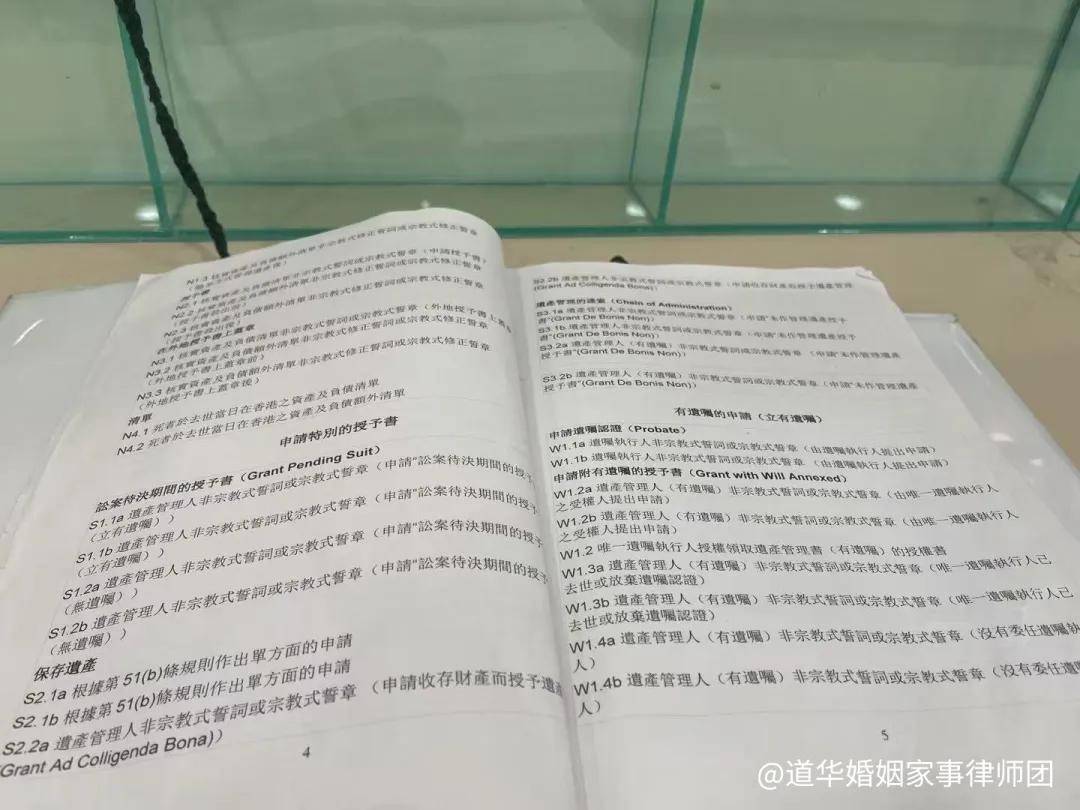
Four, Comparison of two inheritance methods and key points to note
From the perspective of applicable scenarios, non-litigation inheritance is suitable for situations with no disputes and complete materials, with a processing period of 1-3 months, and costs only include notary fees and forwarding fees; litigation inheritance is suitable for situations with disputes and incomplete materials, with a processing period of 3-12 months, and requires the payment of litigation fees and lawyer fees, but has enforceability.
In combination with the above cases, when Hong Kong residents handle the inheritance of mainland property, they should pay attention to three points: First, Hong Kong documents must be notarized and transmitted, none can be missing, otherwise the relevant mainland institutions will not recognize them. This requirement originates from the statutory procedure for recognizing the effectiveness of cross-border documents, ensuring the authenticity and legality of the documents; Second, the renunciation of inheritance rights must be explicitly stated in writing and notarized. According to Article 1124 of the "Civil Code", "After the inheritance begins, if the heir renounces the inheritance, he shall make a statement of renunciation in writing before the handling of the heritage; if there is no statement, it shall be deemed as accepting the inheritance." Notarization is a necessary step to ensure the legality and effectiveness of the renunciation; Third, if the property has a mortgage or is under seizure, it must be settled before the inheritance transfer can be handled. For example, if the property in the case has a mortgage, the loan must be repaid or the bank's consent obtained. This is a statutory prerequisite for the transfer of real estate, to avoid the existence of rights and interests.
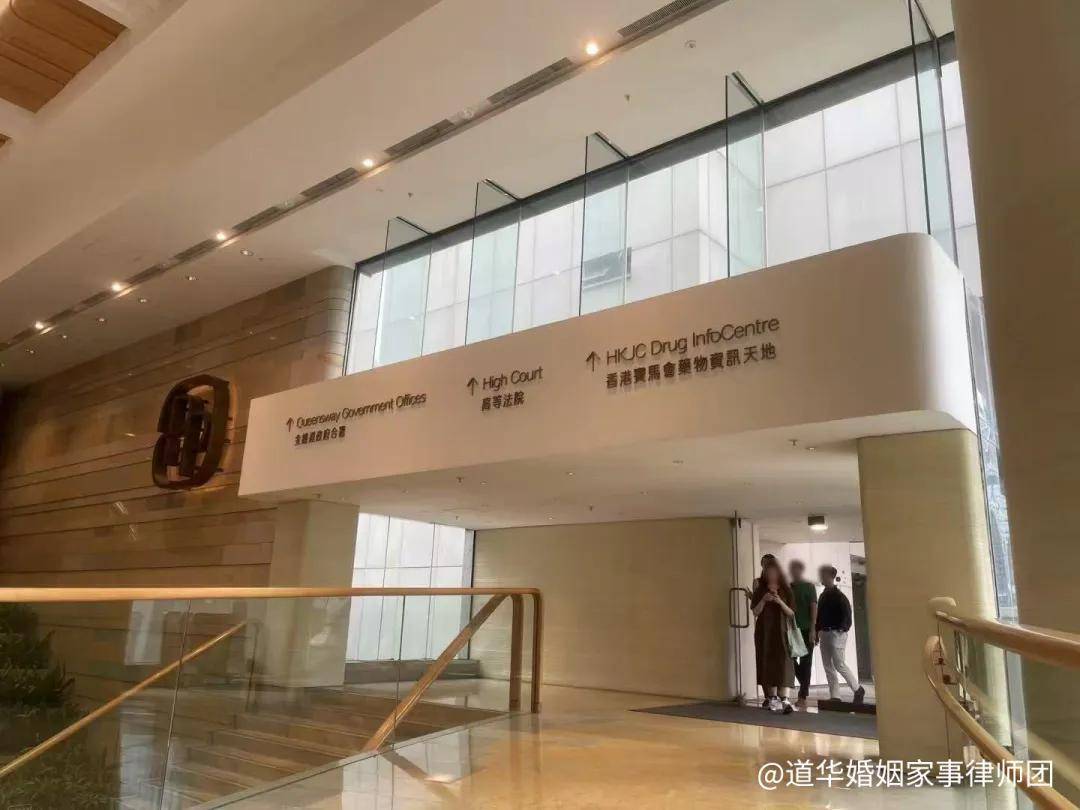
Five, Dào Huá law firm analysis
Hong Kong residents inherit mainland property.Shenzhen inheritance lawyerThe team focuses on grasping two key principles in handling Hong Kong inheritance business: the application of mainland laws and the notarization and transmission of Hong Kong documents. The core legal basis revolves around the Inheritance Chapter of the Civil Code of the People's Republic of China and relevant provisions of the Law of the People's Republic of China on the Application of Laws in Civil Matters Involving Foreign Elements. It clarifies the core rules of the application of laws in real estate inheritance, inheritance order, and share distribution. In the absence of disputes, non-litigation notarized inheritance is prioritized to save time and money; in the presence of disputes, the differences are resolved through litigation inheritance, relying on court judgments to safeguard rights and interests, while also following the Basic Law of the Hong Kong Special Administrative Region of the People's Republic of China and related arrangements to ensure the fair trial and enforcement of Hong Kong-related inheritance cases.
In practice, whether it is non-contentious or litigious, it is recommended to organize complete materials in advance, and if necessary, entrust the lawyers from both the mainland and Hong Kong to handle the matter together to avoid delays due to unfamiliarity with the procedures and irregularities in materials. Shenzhen inheritance lawyers suggest consulting professional opinions in advance to ensure the process is legal, efficient, and secure.
The Marriage and Family Law Team of Guangdong Dao Hua Law Firm is based in the Guangdong-Hong Kong-Macau Greater Bay Area, serving all of China, and has handled many cases involving inheritance of mainland property by Hong Kong residents. If needed, please contact us.
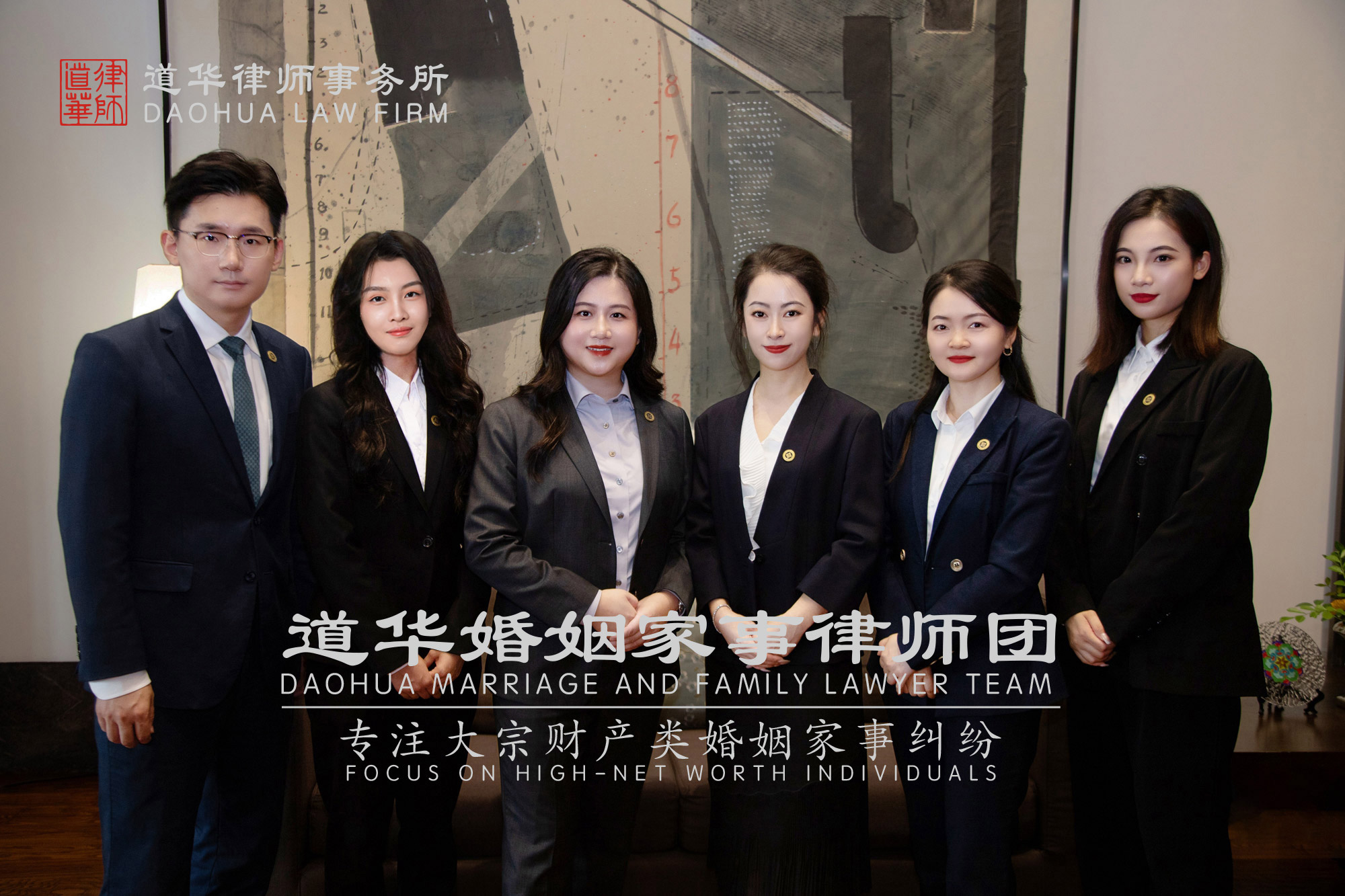
Daohua Family Law Firm, specializing for ten years in major property marriage and family legal services, is a practical expert in marriage inheritance and family disputes (mediation/trial). It is one of the influential brands in [Shenzhen] for marriage inheritance and wealth management legal services. The team has handled over 1000 cases of marriage inheritance, and has extensive practical experience in mediation and litigation in major complex marriage and family disputes, inheritance disputes, will drafting, and family property distribution. The team applies local wisdom, excels in handling difficult divorce property division cases involving Shenzhen small property rights houses, village committee shares, will drafting and notarization, and inheritance disputes, winning unanimous praise from clients.
Adhering to the philosophy of "securing property safety, preventing legal risks, and empowering wealth appreciation," we gather experts from industries such as law, banking, insurance, and finance tax, with rich successful cases. We provide a comprehensive package of solutions for marriage, family affairs, and wealth inheritance for high-net-worth individuals (including those from Hong Kong, Macau, and foreign nationals), to achieve the beautiful vision of risk prevention and control, debt isolation, and family wealth inheritance. Asset types cover: real estate (commercial housing, small property rights houses, land use rights, etc.), various property rights and interests (equity, debt, relocation compensation, copyright, invention patents, etc.). The team has completed the compilation of "Daohua Successful Cases of Marriage and Inheritance" and "Legal Practice of Family Wealth Inheritance," and both legal practice and theoretical research have achieved remarkable results.
Statement:The information or articles published on this website are for exchange purposes only. The names of individuals/companies mentioned in this article are pseudonyms, and the amounts/dates of the case information have been processed for confidentiality. The content of the article is created by the author and does not represent legal opinions or suggestions issued by Guangdong Daohua Law Firm or other lawyers. The information contained in this article is provided for general information purposes only, and Guangdong Daohua Law Firm does not make any timely modifications or updates to this article. Decisions made by readers based on all or part of the content of this article and the consequences arising therefrom are solely the responsibility of the individuals involved. The author and Guangdong Daohua Law Firm assume no responsibility. If any content of these articles is to be reproduced or cited, please indicate the source. If you need legal advice or legal services, please contact our lawyers.
No registration required, quick appointment, expert lawyers provide customized legal service solutions
 Consultation Appointment:400-829-6880
 Private Space:18126123723
 Law Firm: Guangdong Daohua Law Firm
 Email:DAOHUALAWMF@163.com
 Address:810, Rongchao Economic & Trade Center, 4028 Jintian Road, Futian District, Shenzhen (Next to Civic Center)

18126123723
Follow us anytime, anywhere


