
Navigation
Author: Dao Hua Marriage and Family Law FirmDate: 2025-12-18Reads:times
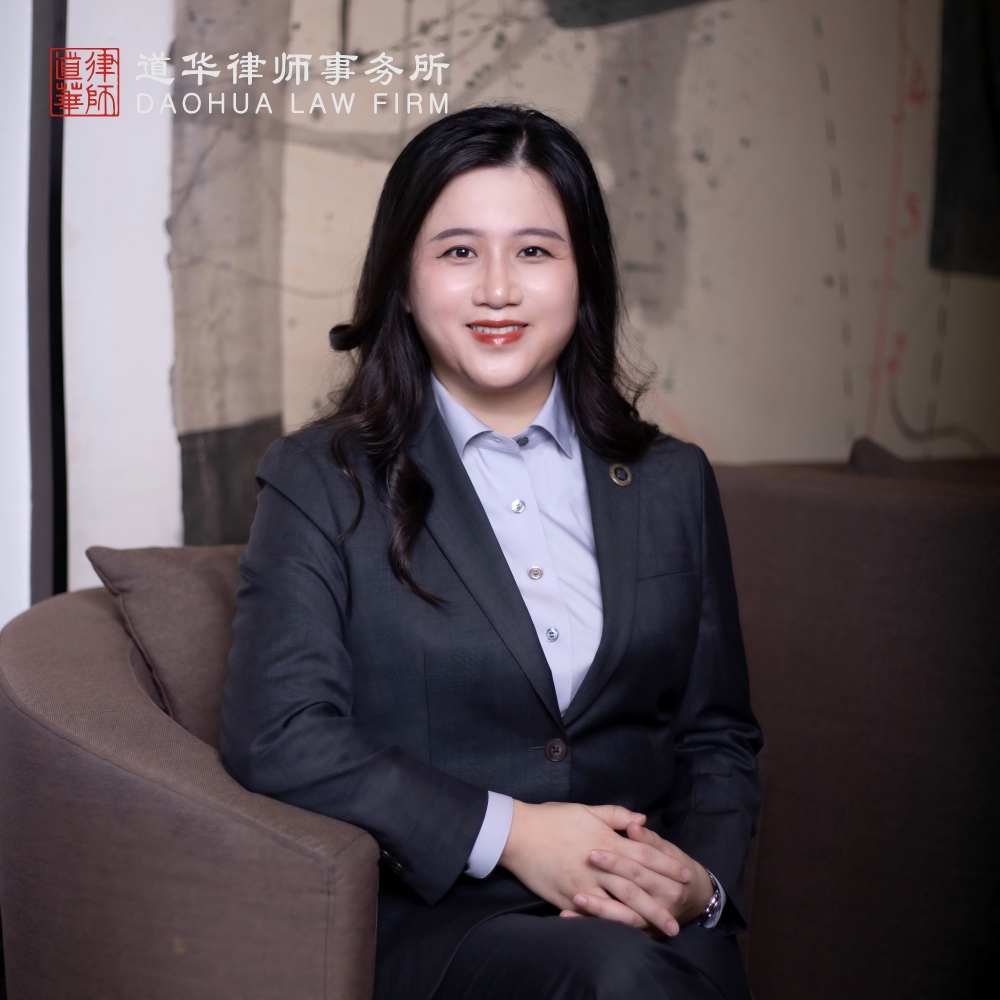
Introduction:In this vibrant and fast-paced city of Shenzhen, the maintenance and breakdown of a twelve-year marriage often involves more complex emotional ties and asset disputes. Recently, Tang Yunhong, a marriage lawyer in Shenzhen, a senior partner at Guangdong Daohua Law Firm, and the head of the Daohua Marriage and Family Law Team, successfully mediated a typical divorce case. The case involved not only a dispute over child support for an 11-year-old child and a loan dispute over the down payment for post-marriage property by the husband's parents, but also the division of two Shenzhen properties worth over 20 million yuan and luxury cars. Finally, under the professional intervention of Lawyer Tang Yunhong and the Daohua Marriage and Family Law Team, the parties reached a settlement and achieved a peaceful divorce. This case not only demonstrated the excellent legal professional skills of Lawyer Tang Yunhong but also highlighted the outstanding capabilities of Guangdong Daohua Law Firm and the Daohua Marriage and Family Law Team in resolving complex family disputes, providing a high-quality model for high-end family mediation in Shenzhen and the Greater Bay Area.
Keywords:Shenzhen Marriage MediationMillion property divorce division, 11-year-old child alimony dispute, nature of parents' down payment, Tang Yunhong lawyer (Guangdong Daohua Law Firm)
One, Case Summary
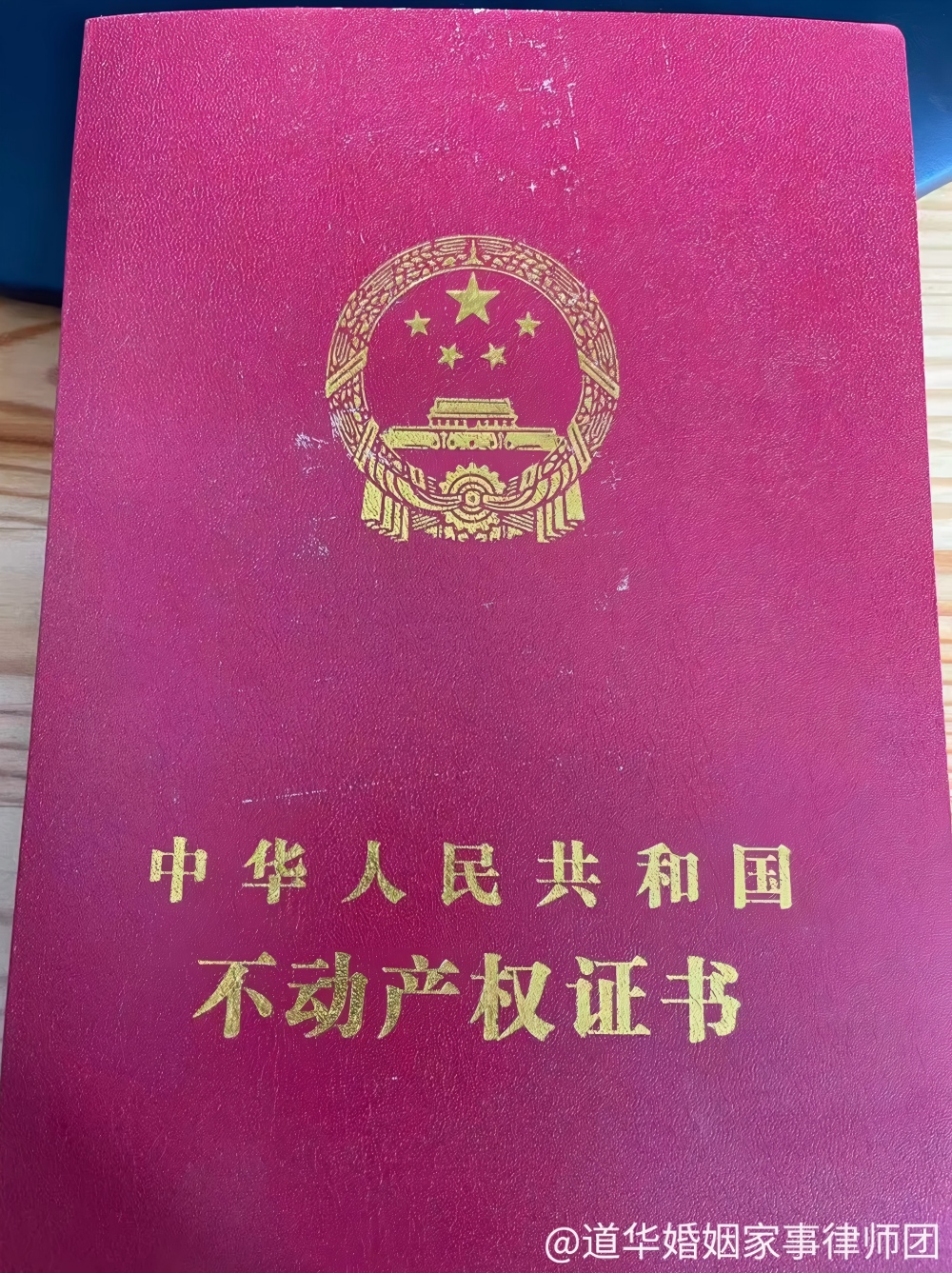
Ms. Li (pseudonym) and Mr. Wang (pseudonym, the client) were registered as married in Shenzhen in 2012. After marriage, they had a son named Xiaochen (pseudonym), who is now 11 years old and is in the upper grades of elementary school, facing the key educational transition from primary to junior high school. During their twelve years of marriage, the couple accumulated a considerable property asset: one is a three-bedroom apartment located in the core area of Bao'an District, Shenzhen (hereinafter referred to as the "post-marriage property"), with a market value exceeding 10 million yuan according to the latest second-hand housing market in Shenzhen; the other is a two-bedroom apartment in Bao'an District, Shenzhen purchased by Mr. Wang before marriage (hereinafter referred to as the "pre-marriage property"), with a market value of nearly 10 million yuan. The total value of the two properties and other assets exceeds 20 million yuan. As their feelings gradually fade, their relationship has broken down, and they plan to divorce. However, they are at a stalemate on three major issues, and the contradictions are escalating.
After several unsuccessful negotiations, Mr. Wang, through a friend's introduction, learned that the Daohua Family Law Firm's Daohua Marriage and Family Law Team in Shenzhen has an excellent reputation in the fields of million-level property disputes, child rights protection, and family debt recognition, especially skilled in handling complex and large-scale property cases with multiple controversial focuses. Therefore, Mr. Wang sought out the head of the Daohua Marriage and Family Law Team, Lawyer Tang Yunhong, hoping to use professional legal power to properly resolve issues of child custody, property division, and debt disputes.
Two, the three major dispute points behind the stalemate in the divorce of a 12-year marriage
1. Dispute Focus 1: Dispute over child support and educational planning for an 11-year-old child
11-year-old Xiao Chen is about to enter junior high school, and the educational needs and living expenses have significantly increased. Ms. Li proposed that the annual tuition and miscellaneous fees for the private primary school where Xiao Chen currently studies are nearly 70,000 yuan. To cope with the transition from primary to junior high, Xiao Chen has enrolled in extracurricular tutoring classes such as math olympiad and English, with annual tutoring fees exceeding 40,000 yuan. Adding daily living expenses and interest development costs, the total annual expenditure needs to be around 150,000 yuan. Considering that the educational investment for Xiao Chen's junior high school stage may further increase, she advocates that Mr. Wang should pay 10,000 yuan in child support per month until the child reaches the age of 18, and at the same time, he should bear 50% of the large-scale educational expenses such as the transition class from primary to junior high and the school selection fees for the future junior high school.
Mr. Wang said that in recent years, due to industry fluctuations, his monthly income has dropped from the previous 40,000 yuan to 20,000 yuan, and after marriage, he is still repaying the mortgage on the property, leaving a limited disposable income after the mortgage is deducted. He believes that the amount of child support claimed by Ms. Li is too high, and he can only afford 3,000 yuan per month, and large educational expenses should be negotiated based on actual receipts, rather than pre-arranged proportions. Both parties have repeatedly argued over the amount of child support and the distribution of educational expenses, but have been unable to reach an agreement.
2. Dispute Focus Two: Dispute over the division of pre-marriage property worth ten million yuan
For the two properties with a total value exceeding 20 million yuan, the pre-marital property has become one of the core issues of contention. Ms. Li proposes that although the property was purchased by Mr. Wang before marriage, during the twelve years of marriage, she not only participated in the repayment of the mortgage, two renovations, but also was responsible for the long-term maintenance of the house and payment of property fees; more importantly, the property has appreciated from about 4 million yuan at the time of purchase to nearly 9.35 million yuan, with an increase of over 5.35 million yuan. She believes that she has made actual contributions to the repayment of the mortgage, maintenance, and appreciation of the property and is entitled to a portion of the appreciation income and renovation compensation, and initially claims that the compensation amount should not be less than 900,000 yuan.
Mr. Wang insists that this pre-marital property is his personal pre-marital property and, according to the law, should not be considered as joint property between husband and wife.Property divisionThe increase in property value of 5.35 million yuan is a natural result of the overall rise in the Shenzhen real estate market and has nothing to do with Ms. Li's maintenance actions. The two parties have a huge gap in the compensation amount, and only agree to return the amount she invested in renovation.
3. Dispute Focus Three: Dispute over the loan for the down payment of post-marital property by the parents of the male party
The background of purchasing the property after marriage further exacerbated the complexity of the dispute. When the property was purchased in 2016, Mr. Wang's parents contributed 400,000 yuan as the down payment, and no IOU or written agreement was issued at the time. Now, during the divorce, Mr. Wang claims that the 400,000 yuan is a loan from his parents to both husband and wife, and should be considered as a joint debt of the couple, with each party responsible for repaying 200,000 yuan.
Ms. Li believes that the amount is a gift from Mr. Wang's parents, not a loan, and should not be included in the division of joint debts. Both parties are at odds over this issue, even leading to conflicts between their families.
Three, Mediation Breakthrough: The Dao Hua team makes multi-dimensional efforts, while Tang Yunhong lawyer analyzes three major disputes.
After taking over the case,Tang Yunhong lawyerThe core members of the Dao Hua Marriage and Family Law Team were organized to hold a case seminar for the first time. The team not only includes marriage law experts but also specially invites senior real estate appraisers and family debt dispute mediation specialists from Shenzhen to participate. By combining the real estate market situation in Shenzhen, judicial practice, and relevant legal provisions, the team conducts a comprehensive analysis of the three major dispute focal points of the case.
Subsequently, lawyer Tang Yunhong led the team to formulate a three-step mediation strategy of "first resolve emotional knots, then break legal issues, and finally determine details," which took one month and, through 3 rounds of in-depth communication, gradually resolved the contradictions between the two parties.
1. First male meeting: Clarify the boundaries of claims and evidence (1 hour)
Attorney Tang Yunhong first met with Mr. Wang separately, avoiding emotional confrontation between the two parties, focusing on the core contradictions:
(1) Clarify the ability to pay child support.Verify Mr. Wang's income proof and mortgage repayment records, confirm the authenticity of his disposable income of 12,000 yuan, and point out the educational necessity for the 11-year-old child during the transition from primary to middle school, guiding him to understand that child support needs to take into account the child's actual growth needs.
(2) Analyze the legal boundaries of pre-marital property.According to Article 1063 of the Civil Code and the judicial interpretations of the Marriage and Family Law, it is clarified that pre-marital property is personal property, but in conjunction with the renovation payment records and mortgage repayment records provided by Mr. Wang, it is indicated that compensation should be obtained for the residual value of the renovation, the contribution to appreciation, and the natural appreciation.
(3) Sort out evidence of down payment nature.Pointed out that Mr. Wang can only provide bank transfer records from his parents, without any loan receipts, collection records, or other evidence of borrowing, in conjunction with Article 29 of the Interpretation of the Marriage and Family Article of the Civil Code, it is reminded that "parental contributions after marriage without clear agreements are generally regarded as gifts."
This communication has given Mr. Wang a clear understanding of the legal provisions and the rationality of his own demands, and he has preliminarily agreed to make concessions on child support and property compensation.
2. Second male party meeting: Refine plan and confirm bottom line (1 hour)
Based on the foundation of the first communication, Lawyer Tang Yunhong met with Mr. Wang separately again, combining the judgment data of similar cases in Shenzhen compiled by the Daohua Family Law Firm, and proposed a specific plan:
(1)Child support: It is recommended to pay 3,000 yuan per month, with each party bearing 50% of large educational expenses upon presentation of receipts, ensuring the child's needs are met while also aligning with their payment capacity.
(2)Pre-marital property compensation: Considering the residual value of decoration and the contribution to appreciation, it is recommended to compensate 800,000 yuan.
(3)Down payment nature: Clearly, there is no evidence to support the loan claim, it is recommended to handle it as a gift to avoid the expansion of disputes.
Mr. Wang is still hesitant about the compensation amount, but acknowledges the legality and rationality of the plan, and preliminarily determines the bottom line he can accept.
3. One-time on-site mediation: finalize the agreement, peaceful conclusion (3 hours)
After both parties clearly stated their bottom lines, Lawyer Tang Yunhong presided over the only face-to-face mediation, directly addressing the core disputes and advancing efficiently:
(1) Child support consensus:Present the child's educational expenditure proof and Mr. Wang's income details, citing Article 1085 of the Civil Code, both parties confirmed on the spot "the monthly child support of 3,500 yuan + 50% of the educational expenditure proof exceeding 10,000 yuan each."
(2) Real estate division implementation:Based on the preliminary calculations, it is determined that "the pre-marital property belongs to Mr. Wang, with a compensation of 800,000 yuan to Ms. Li; the post-marital property belongs to Ms. Li, with a compensation of 760,000 yuan to Mr. Wang," and the time nodes for payment and transfer of property are clearly specified.
(3) Determination of down payment nature:Present evidence of Mr. Wang's parents' transfer records and twelve years of no collection records. Both parties acknowledge that "400,000 yuan as the down payment is a gift," but in view of the fact that the groom's parents have indeed made expenditures, the bride agrees to take on 40% of the repayment responsibility.
(4) Refinement of agreement details:Immediate supplementary visitation rights, Mr. Wang is allowed to visit 4 times a month, 20 days of concentrated visits during winter and summer vacations, and a breach of contract clause, the breaching party shall pay a penalty of 10% of the market value of the property to ensure no subsequent disputes.
After mediation, Ms. Li reflected: "I didn't expect that a complex dispute of twelve years could be resolved with just one communication by the Tang Law Firm team, which protected the child's rights without causing any ill will"; Mr. Wang also said: "Efficient and fair, without the need for repeated negotiations, I can now focus on my life going forward."
Four, Insights from Tang Law: Multi-dimensional efforts to resolve complex family disputes
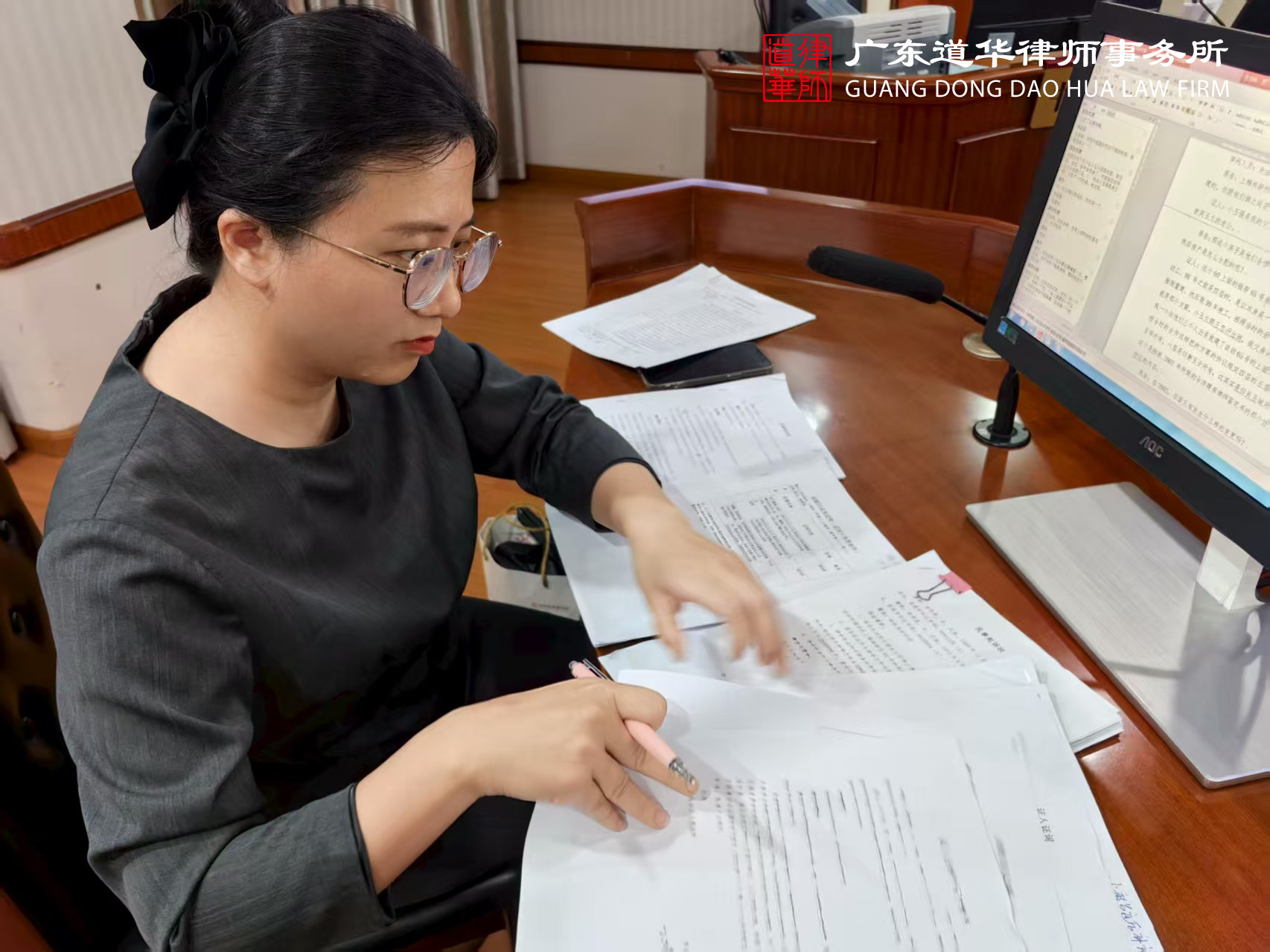
As the leader of the marriage and family law team at the Dao Hua Law Firm in Guangdong, Lawyer Tang Yunhong, after handling this case, summed up the following insights based on her many years of experience in marriage and family legal services, which also provided valuable reference for the Dao Hua marriage and family law team in handling similar complex cases in the future.
1. Complex family law cases require "legal + multi-disciplinary" collaborative efforts
A complex case involving child custody, a property worth tens of millions, and domestic debts is difficult to fully resolve solely with legal expertise. In this case, we introduced a property appraiser to solve the issue of valuation, invited a debt mediation specialist to sort out loan evidence, and utilized an emotional counseling specialist to alleviate family conflicts, forming a multi-disciplinary collaboration model of "law + evaluation + mediation + psychology."
The Dao Hua Law Firm in Guangdong always emphasizes the construction of a composite team. The Dao Hua Marriage and Family Law Team regularly exchanges and cooperates with experts in various fields. It is this multi-disciplinary support that allows us to accurately dissect complex disputes and provide comprehensive solutions for clients.
2. The child's interests take precedence, and the plan needs to be refined according to the growth stage.
An 11-year-old child is at a critical stage of transitioning from primary to middle school, with educational needs and psychological states different from younger children. In mediation, special attention should be paid to their growth characteristics. We not only consider large expenses such as the transition from primary to middle school and school selection for middle school, but also refine the educational participation clauses in visitation rights, to ensure that both parents jointly support the child through key growth milestones.
The core of family mediation is "maximizing the child's interests," and only by formulating plans based on the child's actual age and needs can the unity of legal and social effects truly be achieved.
3. The identification of domestic debt requires the principle of "evidence as king + taking both reason and emotion into account."
The nature identification of parents' financial contributions after marriage is a common difficulty in domestic disputes. In this case, we strictly followed the legal provision of "if there is no clear agreement, it is deemed a gift," and also combined the reasonable factors of "parents not demanding repayment during the twelve-year marriage period," ultimately reaching a reasonable conclusion. When dealing with such disputes, one cannot only look at the legal provisions but also need to make a comprehensive judgment based on the duration of the marriage, the family cohabitation model, and the completeness of evidence, in order to convince both parties.
4. Long-term service, helping parties to start a new life
After the case was concluded, the Tang Yunhong legal team did not terminate their services: they assisted Ms. Li in handling the property transfer procedures after marriage, guided Mr. Wang in dealing with the follow-up transactions of the pre-marital property, and also provided psychological guidance and suggestions on "How to Communicate Divorce with an 11-Year-Old Child." The Dao Hua Marriage and Family Law Firm always adheres to the philosophy of "service does not end with the conclusion of the case," helping the parties to resolve subsequent derivative issues through long-term services, allowing them to quickly move on from the shadows of marriage and re-plan their lives.
In Shenzhen and the Greater Bay AreaMarriage and family legal servicesThe field, Tang Yunhong lawyer and the Daohua Family Law Team of Guangdong Daohua Law Firm always adhere to the principle of "mediation as the main approach, litigation as a supplement" to provide high-quality and efficient legal services to clients. In the future, the team will continue to delve into the complex family law field, continuously enhance the collaborative capabilities of multiple professions, help more families resolve conflicts and safeguard their rights and interests, and contribute to the maintenance of social family harmony and stability.
V. Index of Relevant Laws and Regulations
(1) Regarding the division of property:
Article 1087 of the Civil Code
In the event of divorce, the joint property of the couple shall be handled through mutual agreement; if an agreement cannot be reached, the People's Court shall make a judgment based on the specific circumstances of the property, in accordance with the principles of considering the rights and interests of the children, the female party, and the innocent party.
Article 29 of the Interpretation (I) on the Application of the Marriage and Family Article of the Civil Code of the People's Republic of China by the Supreme People's Court
Before the parties marry, if the parents contribute funds to purchase a house for both, such contribution shall be deemed as a personal gift to their children, except when the parents explicitly state that the gift is to both parties.
After the parties get married, if the parents contribute funds for purchasing houses for both parties, the matter shall be handled according to the agreement; if there is no agreement or the agreement is unclear, the matter shall be handled in accordance with the provisions of Article 1062, Paragraph 1, Item 4 of the Civil Code.
Article 29 of the "Judicial Guideline on Marital and Family Dispute Cases of the Shenzhen Intermediate People's Court (2014 Revision)"
The second paragraph of Article 10 of the Interpretation (III) on Several Issues Concerning the Application of the Marriage Law of the People's Republic of China stipulates that the "amounts paid for joint loans taken out by both parties after marriage, as well as the corresponding increase in the value of the property" can generally be calculated according to the following formula: the joint loan repayment amount by the couple after marriage (including the principal and interest repaid after marriage) ÷ the actual purchase price of the house (house purchase price + total interest repaid at the time of divorce) × the market value of the house at the time of divorce.
(II) Regarding child support
Article 1085 of the Civil Code
After divorce, if the child is directly cared for by one party, the other party shall bear part or all of the child support. The amount of the support and the duration shall be agreed upon by both parties; if they cannot reach an agreement, the People's Court shall decide.
Article 49 of the Interpretation (I) on the Application of the Marriage and Family Article of the Civil Code of the People's Republic of China by the Supreme People's Court
The amount of child support may be determined based on the actual needs of the child, the financial capabilities of both parents, and the local standard of living.
For those with a fixed income, child support is generally paid at a rate of 20% to 30% of their monthly total income. For those responsible for the support of two or more children, the ratio may be appropriately increased, but generally should not exceed 50% of their monthly total income.
For those without a fixed income, the amount of child support can be determined based on the total income of the current year or the average income in the same industry, and referred to the above ratio for determination.
In special cases, the aforementioned ratio may be appropriately increased or decreased.
No registration required, quick appointment, expert lawyers provide customized legal service solutions
 Consultation Appointment:400-829-6880
 Private Space:18126123723
 Law Firm: Guangdong Daohua Law Firm
 Email:DAOHUALAWMF@163.com
 Address:810, Rongchao Economic & Trade Center, 4028 Jintian Road, Futian District, Shenzhen (Next to Civic Center)

18126123723
Follow us anytime, anywhere


