
Navigation
Author: Dao Hua Marriage and Family Law FirmDate: 2025-12-12Reads:times
Lao Zhang, together with his spouse, has raised three children, namely Zhang Jia (the eldest son), Zhang Yi (the eldest daughter), and Zhang Bing (the second daughter), who are now all adults and have established their own families. Lao Zhang's spouse has passed away long ago, and his only source of income is a monthly rural social security payment of a little over one hundred yuan. Since January 16, 2024, Lao Zhang has been hospitalized for treatment due to injuries sustained from being beaten by Zhang Jia's wife, with medical expenses exceeding 10,000 yuan. After the health insurance fund payment, Lao Zhang personally needs to bear several thousand yuan. However, since that date, apart from Zhang Yi giving Lao Zhang two hundred yuan and Zhang Bing giving five hundred yuan, Zhang Jia, Zhang Yi, and Zhang Bing have not fulfilled any other filial obligations.
Lao Zhang filed a lawsuit with the court, requesting that Zhang Jia, Zhang Yi, and Zhang Bing each fulfill their filial obligations of 9,600 yuan per year and jointly bear the medical expenses of over 10,000 yuan for Lao Zhang's hospitalization. Zhang Jia, Zhang Yi, and Zhang Bing have not filed any defense, and neither have they appeared in court in response to the court's summonses.
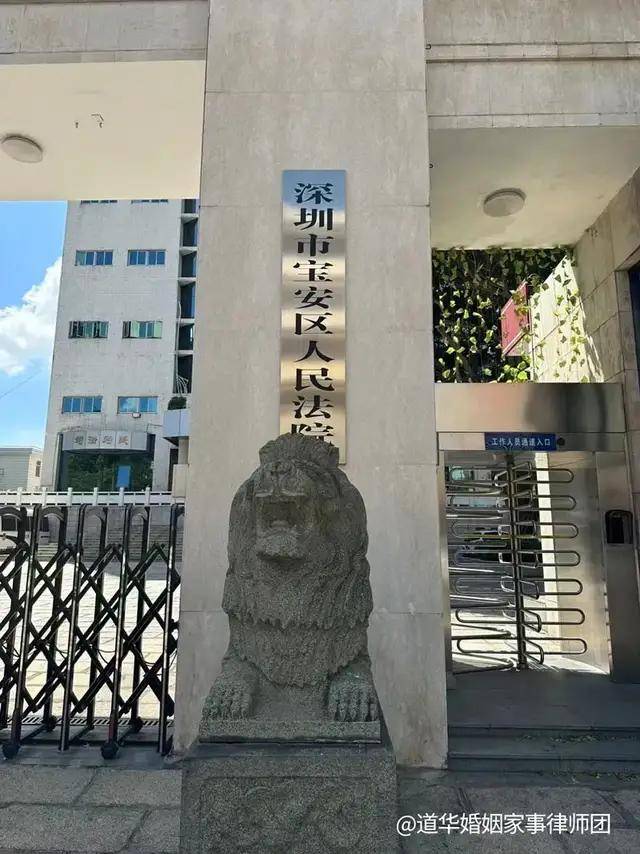
Secondly, Court Proceedings
After investigation, the court has found that Zhang Jia, Zhang Yi, and Zhang Bing all currently possess the ability to work, and their income from labor is the main economic source for their respective families. Although the three have a general economic condition, they are all capable of supporting Old Zhang. However, since January 16, 2024, the three have not fulfilled their other filial duty obligations, except for Zhang Yi providing Old Zhang with two hundred yuan and Zhang Bing with five hundred yuan. Old Zhang has not provided evidence to prove that his injury was caused by his wife beating him. On January 16, 2025, Old Zhang applied to the court for preliminary enforcement, requesting that the three children each fulfill their annual filial support payment of 9,600 yuan and their respective shares of medical expenses. On January 17, 2025, the court issued a civil ruling, ordering Zhang Jia, Zhang Yi, and Zhang Bing to pay the filial support and medical expenses in advance. Subsequently, the court enforced the filial support payment owed by Zhang Yi on March 17, 2025, and the filial support payment owed by Zhang Jia on February 21 and February 28, 2025.
The court believes that the specific amount of filial support should be comprehensively considered, including local economic levels, the actual needs of the person to be supported, and the economic capacity of the person supporting. Old Zhang stated in court that, except for the injury, he has no other major illnesses; Zhang Jia, Zhang Yi, and Zhang Bing are all ordinary salaried workers with limited income. And the calculation is based on the "actual amount paid by Old Zhang" rather than the total medical expenses, strictly following the principle of "actual loss compensation" to avoid Old Zhang obtaining additional benefits due to medical insurance reimbursement.
In the end, the court ruled that starting from September 2026, Zhang Jia, Zhang Yi, and Zhang Bing shall pay Old Zhang an amount of eight hundred yuan in filial support before the 28th of each month, and pay the total amount of medical expenses paid by Old Zhang for their respective share of medical expenses within five days after the judgment takes effect.
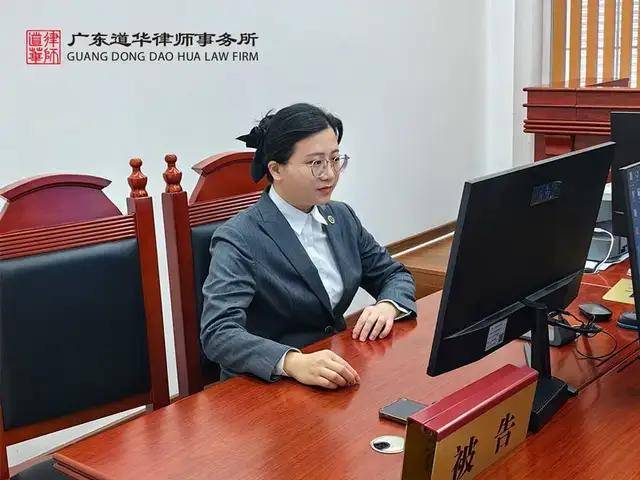
III. Difficulties in the Case
1. Absent Judgment: Zhang Jia, Zhang Yi, and Zhang Bing were summoned by court summons but failed to appear in court without justifiable reasons. The court applied the judgment by default in accordance with Article 147 of the Civil Procedure Law, which not only protected the litigation rights of Old Zhang but also avoided the case from dragging on due to the three parties' passive litigation, and is in line with the requirement of "balancing procedural justice and efficiency."
2. Preliminary Execution: After Old Zhang applied for preliminary execution, the court ordered Zhang Jia, Zhang Yi, and Zhang Bing to pay a portion of alimony and medical expenses, and the actual execution was completed in a timely manner, which alleviated Old Zhang's living and medical difficulties promptly, reflecting the judicial guidance of "guaranteeing the urgent basic living needs of the elderly" in alimony disputes.

Four, Tang Law Interpretation
Dowell Law Firm Guangdong Office, the Dowell Family Law Team, with ten years of focus on family law and legal services, analyzes the case as follows:
1. The court held that the specific amount of alimony should be comprehensively considered, including the local economic level, the actual needs of the person to be supported, and the economic capacity of the person providing support. In the trial, Mr. Zhang stated that he has no other major illnesses except for the injury; Zhang Jia, Zhang Yi, and Zhang Bing are all ordinary salaried workers with limited income. Moreover, the calculation is based on the "actual amount paid by Mr. Zhang" rather than the total medical expenses, strictly adhering to the principle of "actual loss compensation," to avoid Mr. Zhang obtaining additional benefits due to medical insurance reimbursement.
2. Clarifying the non-exemptibility of legal support obligations: The support obligation of adult children is a mandatory legal obligation and cannot be exempted on the grounds of "conflict with parents" or "not living together in actuality." Even if the defendant is absent from the trial, the court may still make a judgment in accordance with the law to require the performance of the obligation, providing clear judicial support for the protection of the rights and interests of the elderly.
3. Balancing the rights and interests of the elderly with the burden of the children: The court did not mechanically support Mr. Zhang's high claims, but rather, it weighed the economic conditions of both parties and the local level to determine the amount, avoiding difficulties for the children due to "over-protection of the plaintiff," providing a judgment reference for similar cases based on "matching needs and capacity."
4. Strengthening the Legal Guidance of "Respect for the Elderly": Judgments are based on the provisions of the "Civil Code", transforming "the traditional virtues of the Chinese nation" into specific legal liabilities, guiding the public to pay attention to the filial piety obligations towards the elderly, and has a positive social guiding significance.
V. Legal Index
1. Article 1067 of the Civil Code: If parents fail to fulfill their obligation to support, minor children or adult children who are unable to live independently, have the right to require their parents to provide child support.
Adult children who fail to fulfill their obligation to support their parents, who are lacking in labor capacity or facing difficulties in living, have the right to require their adult children to provide support.
2. Article 147 of the Civil Procedure Law: If the defendant fails to appear in court without a legitimate reason after being summoned by a writ, or leaves the courtroom without permission in the middle of the trial, a judgment by default may be made.
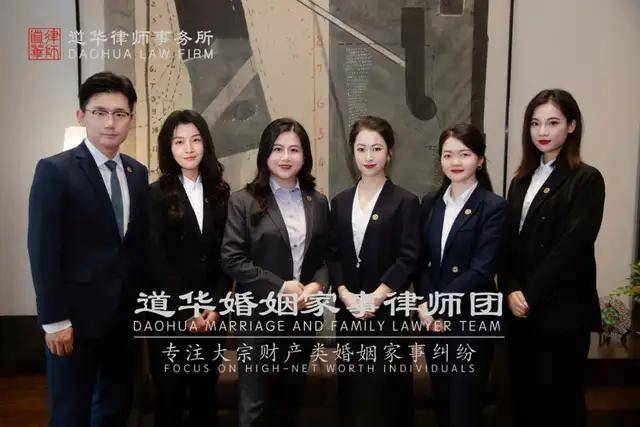
[The rest of the content is not provided in the original HTML snippet, so it is not translated.] Dao Hua Family Law Firm, ten years of focus on ·major property-related family law services, marriage and inheritance family disputes (mediation/suit)实战 experts, is one of the influential brands in [Shenzhen local] - marriage inheritance and wealth management legal services. The team has handled over 1000 cases of marriage and inheritance, and has rich practical experience in mediation and litigation in major and complex family law, inheritance disputes, will drafting, and family property distribution. The team is adept at handling difficult divorce property division cases involving Shenzhen's small property rights houses, village committee shares, and other difficult inheritance disputes, will drafting and notarization, and winning consistent praise from clients.
Adhering to the philosophy of “guaranteeing asset security, preventing legal risks, and empowering wealth growth”, the firm assembles experts from the legal, banking, insurance, and tax industries, with a wealth of successful cases, providing a comprehensive one-stop solution for high-net-worth clients (including Hong Kong, Macau, and foreign nationals) for marriage, family law, and wealth inheritance, to achieve the beautiful vision of risk prevention and control, debt isolation, and family wealth inheritance.
Asset types cover: real estate (residential housing, small property rights houses, land use rights, etc.), various property rights and interests (equity, debt, relocation compensation, copyright, invention patents, etc.).
No registration required, quick appointment, expert lawyers provide customized legal service solutions
 Consultation Appointment:400-829-6880
 Private Space:18126123723
 Law Firm: Guangdong Daohua Law Firm
 Email:DAOHUALAWMF@163.com
 Address:深圳市福田区金田路4028号荣超经贸中心810(市民中心旁)

18126123723
Follow us anytime, anywhere


